
Steak Tartare Recipe: 7 Secrets to Perfection
Table of Contents
Some meals remind us of special moments. Like a quiet dinner at Le Bernardin, the taste of cornichons, and the first bite of raw beef. This is why you might want to try making steak tartare at home. You’re looking for the thrill of gourmet cooking without the worry.
This guide is for you, a home cook in the United States. You want to make a classic steak tartare that tastes like it’s from a restaurant. Whether you’re new to cooking or have experience, you’ll find helpful tips. You’ll learn about choosing the right beef, mixing flavors, and presenting your dish beautifully.

In this article, you’ll discover what steak tartare is. You’ll learn how to pick the best cuts for your recipe. You’ll get step-by-step instructions on preparation and mixing. You’ll also find essential food-safety tips, flavor variations, serving ideas, and tools to make the process easier. By the end, you’ll be able to make a classic steak tartare that’s safe, textured, and full of flavor.
Key Takeaways
- This article teaches you how to prepare a classic steak tartare recipe at home with clear, safe steps.
- Focus on high-quality beef and simple, well-balanced seasonings for authentic flavor.
- Gourmet tartare preparation is achievable for both beginners and experienced cooks.
- Food-safety and proper handling are core parts of making homemade steak tartare.
- You’ll get practical tips on variations, serving, and presentation to impress guests.
What Is a Steak Tartare Recipe?
Steak tartare is a dish made from finely chopped raw beef mixed with seasonings. It’s often topped with an egg yolk. This dish is also known as tartare de boeuf or raw beef tartare. It’s all about the texture and flavors you choose.
Origins of Steak Tartare
The dish comes from Central Asia, where travelers ate raw meat. In Europe, chefs made it more refined. By the late 1800s and early 1900s, Parisian kitchens perfected it.
Chefs at places like Le Procope worked hard on the recipe. They focused on knife work, choosing the right cuts, and seasoning. This turned a simple idea into a favorite dish.
Why It’s a French Classic
French cooks made the dish their own by adding shallots, capers, mustard, and an egg yolk. These ingredients enhance the beef’s flavor. This makes the tartare truly special.
Preparing tartare the right way shows respect for raw ingredients and French cooking. It’s all about using the best ingredients and techniques.
| Aspect | What to Look For | Why It Matters |
|---|---|---|
| Beef cut | Filet mignon, top round, or sirloin | Leaner, tender cuts reduce chew and improve mouthfeel |
| Texture | Hand-chopped into small, uniform pieces | Consistent texture lets seasonings distribute evenly |
| Seasoning | Shallots, capers, Dijon mustard, salt, pepper | Builds brightness and depth without overpowering beef |
| Finish | Raw egg yolk or quail egg | Adds silkiness and ties ingredients together |
| Presentation | Molds, rings, or rustic pile with toast | Elevates plate while keeping focus on quality |
Ingredients for the Perfect Steak Tartare Recipe
Before you start chopping and mixing, make sure you have the right ingredients. The quality of your beef is key. Choose wisely to make a classic or a unique homemade steak tartare that will wow your guests.
Choosing High-Quality Beef
Look for lean, tender cuts with little connective tissue. Beef tenderloin, top sirloin, or top round are great choices. These cuts give your raw beef tartare a smooth texture and avoid chewy bits.
Buy from a trusted source like a local butcher or a USDA-inspected meat counter. Specialty purveyors that offer sushi-grade or freshly cut steaks are also good options. Make sure to ask the butcher to remove sinew and trim the meat for you.
Freshness is crucial. Choose beef with a bright color, firm texture, and minimal smell. Buy it on the same day or within 24 hours and store it properly in the fridge.
Essential Seasonings and Add-Ins
Classic seasonings balance the flavors. Use an egg yolk, Dijon mustard, and Worcestershire sauce. These ingredients create a harmonious taste.
Add extra virgin olive oil, finely chopped shallots, capers, cornichons, and flat-leaf parsley. Season with kosher or sea salt and freshly ground black pepper. For a spicy kick, add a few drops of Tabasco or your favorite hot sauce.
For a deeper umami flavor, mix in a small amount of anchovy or anchovy paste. Add lemon zest or a splash of high-quality sherry vinegar for brightness. Chives make a lovely garnish.
| Ingredient | Purpose | Recommended Amount (for 4 servings) |
|---|---|---|
| Beef tenderloin or top sirloin | Primary protein; tender texture for raw beef tartare | 12–16 oz (trimmed, chilled) |
| Egg yolk (pasteurized optional) | Richness and binding for classic steak tartare | 4 yolks (1 per serving) or 1–2 for serving style |
| Dijon mustard | Acidity and slight heat to balance fat | 1–2 tsp |
| Worcestershire sauce | Savory depth and umami for the best steak tartare | 1–2 tsp |
| Extra virgin olive oil | Silky mouthfeel and flavor integration | 1–2 tbsp |
| Shallots, finely chopped | Fresh bite and mild onion flavor | 2 tbsp |
| Capers and cornichons, chopped | Salt and tang contrast | 1–2 tbsp each |
| Flat-leaf parsley and chives | Herb freshness and color | 2 tbsp parsley; 1 tbsp chives |
| Anchovy paste (optional) | Extra umami layer | 1/4–1/2 tsp |
| Sherry vinegar or lemon zest | Bright acidity to lift flavors | 1 tsp vinegar or zest of 1/2 lemon |
| Salt and freshly ground black pepper | Seasoning balance | To taste |
Adjust the quantities to your liking. The perfect steak tartare balances tang, salt, fat, and aromatics. Taste as you go to enhance the quality of your beef.
How to Make Steak Tartare Recipe Step-by-Step
Follow a clear sequence to make a traditional tartare dish. Use fresh beef and bright seasonings. Keep tools cold, work quickly, and aim for clean textures. The method below walks you through preparing the meat, combining flavors, and plating an elegant homemade steak tartare.
Preparing the Beef Properly
Start with high-quality beef from a trusted butcher. Use USDA Choice or prime cut. Trim silver skin, excess fat, and sinew with a sharp boning knife. Slice away only what you need to leave lean meat.
Chill the trimmed beef in the freezer for 15–20 minutes. This makes it firm up. Slice against the grain into thin strips, then turn and cut those strips into a fine dice about 1/8–1/4 inch. A very sharp chef’s knife gives the best control and texture.
If you prefer a coarser result, pulse briefly in a food processor for a few short bursts. Hand-chopping keeps the ideal bite for a classic steak tartare recipe, while a processor offers speed for an easy tartare recipe.
Mixing the Ingredients
Place the diced beef in a chilled bowl. Add finely minced shallots, drained capers, chopped cornichons, and chopped parsley. Stir in a small spoon of Dijon mustard and a few drops of Worcestershire sauce. Season with a pinch of kosher salt and freshly ground black pepper.
For richness, add a raw or pasteurized egg yolk if you choose. Use a fork to toss gently so the beef holds its texture. Taste and adjust for acid, salt, or heat. Mix only just before serving to keep the temperature cool and the texture firm. This approach makes the recipe both an authentic traditional tartare dish and a practical homemade steak tartare.
Plating and Presentation Tips
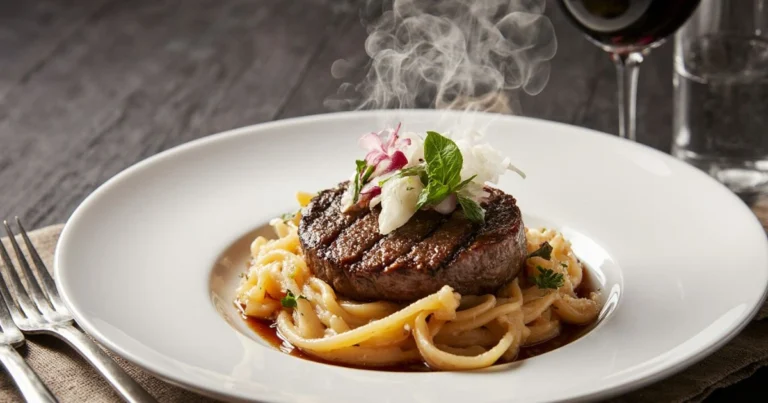
Use a ring mold to form neat portions for a refined plate. Top each portion with an egg yolk or a small mound of microgreens. Finish with a light drizzle of extra-virgin olive oil and a sprinkle of flaky sea salt like Maldon for shine and crunch.
Serve on chilled plates with toasted baguette slices or crostini on the side. Garnish with snipped chives, a touch of lemon zest, or a tiny quenelle of crème fraîche for contrast. Offer individual portions for a formal course or a family-style platter for sharing an easy tartare recipe experience.
Food Safety Tips for Steak Tartare Recipe
When making steak tartare at home, you need to be careful and follow some rules. These tips will help you enjoy raw beef tartare safely and keep your homemade steak tartare delicious.
How to Source Fresh Beef
Buy your beef from a trusted place like Whole Foods or a local butcher. Look for tenderloin or top sirloin that’s been cut recently. Ask for the pack or slaughter date if you can.
Choosing prime or choice grade beef means better marbling for a tender steak tartare. Opt for vacuum-sealed cuts to reduce exposure to bacteria. If your butcher can cut it the same day, it will be fresher.
Keep all receipts and label any packaged meat with the date. This helps you track how long it’s been stored.
Proper Handling and Storage
Always keep the beef cold. Store it at 40°F (4°C) or below until you’re ready to use it. Use a clean cutting board and a sharp knife only for raw meat to avoid contamination.
If your recipe includes an egg yolk, use pasteurized eggs for safety. People with weak immune systems, pregnant women, young kids, and the elderly should avoid raw eggs and beef. This is to protect their health while enjoying homemade steak tartare.
Make the tartare just before serving and eat it right away for the safest experience. If you must refrigerate leftovers, keep them cold and use them within 24 hours. Throw away any leftovers that have been at room temperature for more than two hours.
After handling raw meat, wash your hands, knives, and surfaces with hot, soapy water. Then, sanitize with a food-safe solution. These steps ensure you serve a safe and tasty steak tartare.
Flavor Variations
Small changes can make your steak tartare even better. These tweaks keep it true to the original while introducing new flavors. Choose them based on your mood, the season, or what wine you’re drinking.
Dijon and Capers Version
Mix 1 tablespoon of extra Dijon mustard with 1 tablespoon of chopped capers and 2 tablespoons of finely chopped cornichons. Add 1 small minced shallot and 1 tablespoon of chopped parsley.
Dijon mustard adds a tangy taste, while capers bring saltiness. A squeeze of lemon brightens the dish. This mix goes well with Champagne or a light white wine for a fancy twist.
Spicy Mustard Twist
Combine 1 tablespoon spicy brown mustard or 1/2 tablespoon whole-grain mustard with a dash of hot sauce or 1/2 teaspoon harissa. Add 1 teaspoon finely chopped jalapeño or a pinch of cayenne for heat.
Pair it with robust toasted bread and a bold red wine or spicy cocktail. This version is perfect for those who like a bolder flavor in their tartare.
Truffle Oil Upgrade
Add one or two drops of white truffle oil to the beef. If you can find it, shave a tiny sliver of fresh black truffle on top.
Use truffle oil sparingly to keep the beef the main focus. Serve with plain crostini and a drizzle of olive oil. This makes your tartare feel like a fancy restaurant dish without hiding the meat’s taste.
What to Serve with Steak Tartare Recipe
Enhance your homemade steak tartare with simple, balanced sides. Think about texture and acidity to balance the rich beef. Here are easy, reliable options for home or dinner guests.

Toasted Baguette Slices
Slice a baguette thinly and brush with extra-virgin olive oil. Toast until golden and crisp. Rub a halved garlic clove over warm slices for a hint of aromatics.
Toasted baguette slices add a crisp contrast to tartare. The crunch provides structure without overpowering the beef. Serve warm crostini for a cozy feel or chilled slices for a lighter bite.
Fresh Salad Pairings
Choose light, bright salads to cut the richness of the dish. Frisée tossed in Dijon vinaigrette adds a pleasant bitterness. Arugula with lemon and shaved Parmesan offers a peppery lift. A simple mixed greens salad with sherry vinaigrette keeps the plate fresh.
Fresh salad pairings refresh the palate between bites. Acidic dressings and bitter or peppery leaves balance the fatty mouthfeel of the tartare. This makes each forkful lively.
Complementary sides can add interest. Offer cornichons, extra capers, thinly sliced radish, and pickled red onions as palate cleansers. For extra crunch, include potato chips or crisp baguette chips.
Pair beverages with intent. Dry Champagne or a light-bodied Pinot Noir brings acidity and subtle fruit. Sancerre matches the herbal notes. A gin-forward cocktail works if you prefer a refreshing, botanical finish.
Tools and Equipment for Homemade Steak Tartare
To make steak tartare at home, you need a few reliable tools. The right tools help avoid risks and improve the texture. Here are some practical gear recommendations for your home kitchen.
Knives and Cutting Boards
Get a very sharp chef’s knife for slicing. Use a boning or paring knife for trimming sinew and fat. Sharp blades ensure clean cuts and keep the meat tender.
Use a dedicated, sanitized cutting board for raw meat. Choose nonporous plastic boards or a separate board for raw beef to prevent cross-contamination. Keep knives sharp; a sharp edge is safer and gives better control when you dice the meat.
Mixing Bowls and Molds
Opt for stainless steel or glass mixing bowls for even mixing and easy cleaning. Small prep bowls help organize mise en place, like capers, shallots, and egg yolks.
For plating, use ring molds that are 2.5–3 inches wide for neat portions. Include a microplane for citrus zest, tasting spoons, and small silicone spatulas to fold ingredients gently without breaking the beef’s fine texture.
Thermometers and Storage Containers
Even though tartare is served raw, a digital food thermometer is useful. It helps monitor refrigerator temperatures and ensures food stays in the safe zone. Check fridge temps regularly to keep raw beef cold.
Use airtight containers for short-term storage and vacuum-sealed bags when buying beef in advance. If you transport meat, insulated coolers or ice packs maintain safe temperatures. Keep food-safe sanitizer, paper towels, and a kitchen thermometer on hand for cleaning and fridge monitoring.
Tips for Making an Easy Tartare Recipe
Keep things cool and organized when making an easy tartare recipe. Set out all ingredients and chill plates. Have your egg yolks ready. A focused mise en place saves time and keeps texture firm.

Ask your butcher at Whole Foods or a local market to trim and slice steak. This step speeds up prep and helps you get the best steak tartare texture without fuss.
Time-Saving Prep Techniques
Minimize chopping by prepping small items ahead. Mince shallots, chop capers and cornichons, and measure mustard and Worcestershire. Store each item in labeled containers so you can assemble quickly.
Chill ring molds and plates before plating. Keep the beef cold until the last minute. Assembling right before serving follows food safety rules and preserves the ideal mouthfeel.
Shortcuts Without Sacrificing Flavor
Choose quality store-bought cornichons and capers when you cannot pickle your own. Use Maille or Grey Poupon for a reliable Dijon that lifts flavor. These swaps maintain taste while cutting prep time.
If knife skills are limited, pulse-chop briefly in a food processor for consistent texture. Use short bursts and check often to avoid over-processing. Preassembled garnish platters speed finishing without dulling flavor.
Taste as you go. A small pinch of salt, a squeeze of lemon, or a dab of mustard can balance the dish. These time-saving tartare tips ensure the final bite matches the bright, savory profile of the best steak tartare.
Serving and Presentation Ideas for Authentic Steak Tartare
You want your steak tartare to taste as good as it looks. Keep plates chilled and use a minimalist approach. This lets the beef, yolk, and seasonings shine. Small touches can enhance the dish without hiding the flavor.
Plating Techniques to Elevate Your Dish
Use a ring mold to form neat portions and press lightly. This compacts the meat. Create a shallow indentation at the top for an egg yolk or caviar.
Top each stack with a tiny bundle of chives or microgreens for height and color. Finish with a slow drizzle of extra-virgin olive oil and a pinch of flaky sea salt. This enhances texture.
Arrange crostini or toast points in a tidy fan beside the tartare. Keep sauces and heavy condiments minimal. This way, the tartare remains the centerpiece of your gourmet tartare preparation.
Beverage Choices and Garnish Ideas
Pairing drinks shapes the tasting experience. Choose dry sparkling wines like Champagne or Cava to cut through richness. Crisp whites like Sancerre or Chablis bring vibrant acidity that refreshes the palate.
For red wine drinkers, opt for a light-bodied Pinot Noir served slightly chilled. Classic cocktails such as a Dry Martini or a gin and tonic work well. They offer clear, botanical notes. Beer fans should try a saison or a pilsner for bright, clean finishes when serving steak tartare recipe.
Garnish choices should be subtle: lemon zest, chives, microgreens, shaved Parmesan, or a dot of truffle oil on special nights. Avoid heavy sauces that could mask the delicate beef flavor and undermine your plating for steak tartare.
Conclusion
Creating a classic steak tartare at home is easy with the right ingredients and care. Start with fresh, chilled meat and a sharp knife for fine dicing. Mix shallot, capers, Dijon, and chives for a balanced flavor.
Food safety is key. Use fresh beef from a trusted butcher and keep everything cold. Prepare the dish just before serving. For guests who are pregnant or have weak immune systems, use pasteurized eggs or skip the raw egg.
Once you get the basics right, try different flavors. Add Dijon and capers, a spicy mustard, or truffle oil. Serve with toasted baguette and a crisp salad. Use tools and techniques to make prep easier without losing flavor.
For more details, go back to the sourcing and preparation sections. With these tips, you can make a gourmet steak tartare that will wow your guests at home.
FAQ
What is steak tartare and how does raw beef tartare differ from other raw meat dishes?
Steak tartare is finely chopped raw beef mixed with seasonings. It’s often served with an egg yolk and other accompaniments. Unlike carpaccio, which is thin slices, tartare is diced and seasoned for a better texture and flavor balance.
Which cuts of beef are best for making a classic steak tartare recipe at home?
Choose lean, tender cuts like beef tenderloin, top sirloin, or top round. Buy from a trusted butcher or a USDA-inspected meat counter. Make sure to trim silver skin and sinew. Opt for bright color, firm texture, and use the beef within 24 hours.
How should I prepare the beef so the texture is ideal?
Trim fat, silver skin, and sinew with a sharp knife. Chill the beef in the freezer for 15–20 minutes. Slice it thinly against the grain, then dice it to about 1/8–1/4 inch. Hand-chopping is best, but you can pulse in a food processor for a coarser texture.
What are the essential seasonings and add-ins for an authentic steak tartare?
Use Dijon mustard, Worcestershire sauce, and finely minced shallots. Add capers, chopped cornichons, and flat-leaf parsley. Season with kosher or sea salt and freshly ground black pepper. An egg yolk is traditional. Optional add-ins include anchovy, Tabasco, chives, lemon zest, or sherry vinegar.
Is it safe to eat raw beef and raw egg yolk? What food safety steps should I take?
Raw beef and egg yolk carry some risk. Buy beef from reputable sources and keep it cold. Prepare tartare just before serving. Consider pasteurized eggs for safety. People with weakened immune systems should avoid raw beef and eggs.
How do I handle and store beef before making tartare?
Keep beef refrigerated until prep time. Use a sanitized cutting board and clean knives. Store trimmed beef at 40°F (4°C) or below for up to 24 hours. Never leave raw beef at room temperature for more than two hours. Sanitize surfaces and wash hands after handling raw meat.
What’s the best way to mix and season tartare without overworking the meat?
Mix diced beef with minced shallots, capers, cornichons, parsley, and seasonings. Toss gently with a fork or spoon. Taste and adjust seasoning gradually. Mix just before plating to keep the beef cold and tender.
How should I plate and present homemade steak tartare for a gourmet finish?
Use a ring mold for neat portions. Create a well for an egg yolk if desired. Finish with olive oil and flaky sea salt. Garnish with chives, microgreens, or lemon zest. Serve on chilled plates with toasted baguette slices or crostini.
What are easy flavor variations I can try—Dijon and capers, spicy mustard, or truffle oil?
For Dijon and capers, add more Dijon and capers with parsley and lemon. For spicy mustard, use spicy mustard with hot sauce or jalapeño. For truffle, use a few drops of white truffle oil or a thin shaving of black truffle.
What should I serve with steak tartare?
Serve with toasted baguette slices or crostini, cornichons, extra capers, and thinly sliced radish. A light salad like frisée with Dijon vinaigrette or arugula with lemon is also good. Pair with dry Champagne, Sancerre, Chablis, light-bodied Pinot Noir, or a gin-forward cocktail.
What tools and equipment will make homemade tartare easier?
Use a sharp chef’s knife and boning knife, a dedicated cutting board for raw meat, stainless steel or glass bowls, ring molds, and a microplane. A digital refrigerator thermometer and food-safe sanitizer are also helpful.
How can I save time preparing tartare without sacrificing flavor?
Do mise en place by mincing shallots, chopping capers and cornichons, and measuring condiments. Ask your butcher to trim and portion the steak. Use high-quality prepared Dijon or pre-chopped condiments if needed. Pulse-chop beef briefly in a food processor for a consistent texture.
Can I make steak tartare ahead of time or store leftovers?
Tartare is best made and served immediately. If necessary, store leftovers in an airtight container in the fridge at 40°F (4°C) or below for up to 24 hours. Avoid leaving tartare at room temperature for over two hours. Don’t freeze mixed tartare as texture and flavor will decline.
Any final tips for achieving a restaurant-quality steak tartare at home?
Source the freshest, highest-quality beef possible. Keep everything cold and use sharp knives and hand-chop for the best texture. Taste and adjust seasoning carefully. Use pasteurized eggs for safety if desired. Present with crisp crostini and simple garnishes. Experiment with small variations to find your favorite.
Love This Recipe? Leave a Review!
There are no reviews yet. Be the first one to write one.