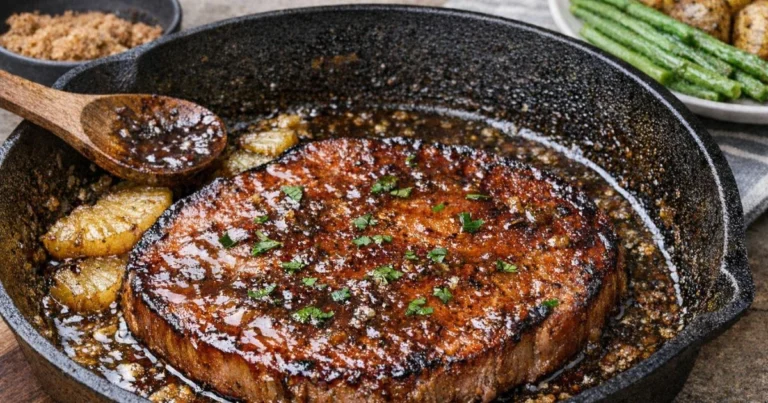
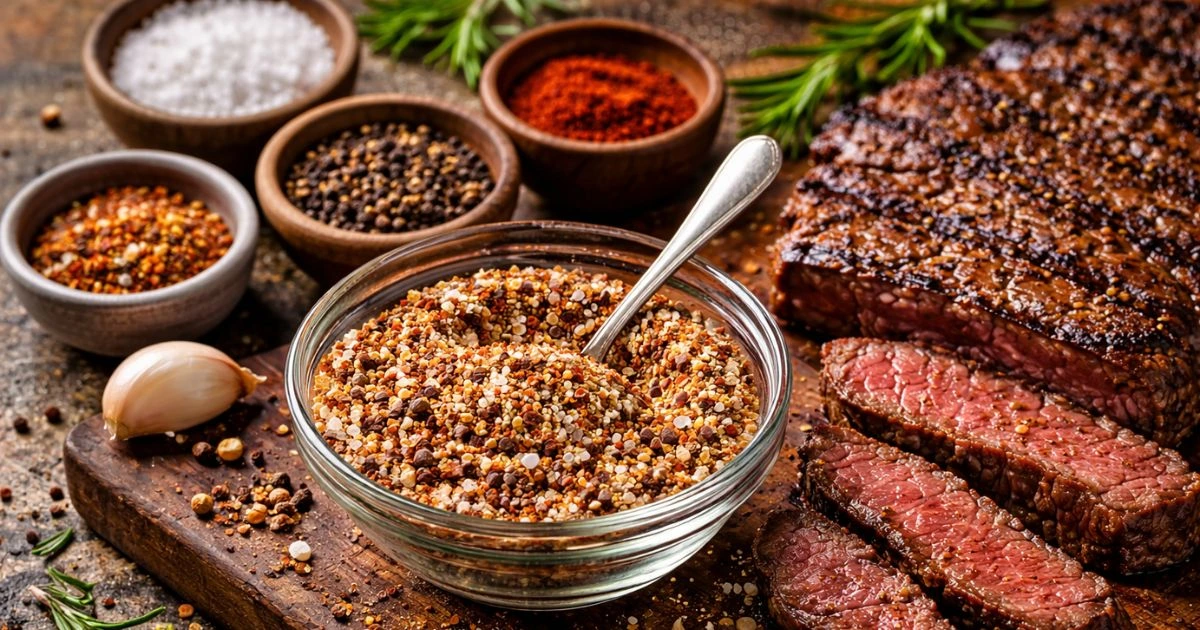
Steak Seasoning Recipe: 7 Easy Blends for Perfect Flavor
Table of Contents
There are nights when a simple steak becomes the centerpiece of comfort. It could be a weeknight victory, a small celebration, or a quiet dinner. You’ve stood at the counter, wondering how to turn a good cut into something memorable. This guide gives you straightforward answers so your steaks taste like the best versions of themselves.
This easy steak seasoning recipe is designed to help you build bold flavor using simple pantry spices, whether you’re grilling, pan-searing, or cooking steak indoors.

In this how-to guide, you’ll find pantry-based recipes and practical technique. You’ll learn a basic homemade steak seasoning and seven easy steak seasoning mix blends. You can make these in minutes, plus get clear advice on timing, pressing the rub in, and storing blends so they stay fresh.
The recipes use common brands and ingredients available at national retailers. You’ll need Morton or Diamond Kosher salt, McCormick spices, and ground black pepper. Whether you want a top steak seasoning blend for a backyard grill, a pan-seared dinner, or an oven-finished roast, this article covers ratios, balance of salt, heat, and aromatics. It also includes troubleshooting tips to build confidence at the plate.
Key Takeaways
- You’ll learn simple, pantry-friendly
- options for quick meals and special occasions.
- Seven easy blends offer variety—from classic salt and pepper to smoky, spicy, and herb-forward mixes.
- Recipes use familiar brands like Morton and McCormick and scale for single steaks or bulk batches.
- Guidance includes when to season, how much to use, and techniques for grilled, pan-seared, and oven-finished steaks.
- Practical tips cover storage, clear ratios, and troubleshooting to avoid over-salting or bitter crusts.
Why This Easy Steak Seasoning Recipe Improves Flavor and Tenderness
Seasoning does more than add taste; it shapes texture and aroma. A thoughtful approach turns a good steak into a great one. It enhances the beef’s natural character and creates a crust that signals deep, savory flavor.
How seasoning enhances natural beef taste
Salt and umami-rich spices make the meat’s innate flavors more noticeable. Salt dissolves on the surface and pulls proteins and moisture outward, concentrating savory notes. This concentrated surface browns faster under high heat, driving the Maillard reaction that produces complex aromas and a satisfying crust.
The role of salt in texture and moisture retention
Dry-brining uses salt to improve tenderness and juiciness. When you salt a steak 30 minutes to 24 hours before cooking, muscle proteins denature and later reabsorb liquid. This process firms the surface, helps retain moisture during cooking, and gives a more even texture.
Use kosher or coarse salt for easy, even coverage. For short rests, aim for about 3/4 to 1 teaspoon kosher salt per pound. For longer dry-brines, increase to roughly 1.25 teaspoons per pound. Those ratios help you avoid over-salting while getting the full benefit of improved texture.
Balancing aromatics and heat for a memorable crust
Layer aromatics—garlic powder, onion powder, dried herbs—so they support the beef instead of masking it. Add heat agents like black pepper or chili in measured amounts to lift flavor without overwhelming it. Sugar can help with browning, but too much burns quickly and leaves bitterness.
When you craft a flavorful steak seasoning, aim for balance. A well-tuned savory steak seasoning blend and the best steak rub will form a seasoned, well-browned crust. This crust enhances perceived tenderness and creates a memorable bite.
Essential pantry spices for homemade steak seasoning
You can make a great homemade steak seasoning with just a few items. Start with good salts and peppers, add strong aromatics, and finish with smoky or spicy touches. This way, you’ll have the best steak rub for any day.
Use Diamond Crystal or Morton kosher salt for steady seasoning control. For a crunchy finish, try Maldon flaky sea salt. Freshly cracked Tellicherry black pepper adds a brighter aroma than pre-ground pepper.
Choose coarse pepper for a crusty texture. Use ground black pepper for the spice to blend into the meat. These choices make your blend perfect for any occasion.
Common aromatics: garlic powder, onion powder, and herbs
Garlic powder and onion powder add deep savory flavors without burning. Use McCormick or Simply Organic for reliable spice jars.
Dried parsley, thyme, and rosemary add a rich herbaceous depth. Crush rosemary finely or use dried leaves to avoid woody bits. These herbs make your mix a delicious steak spice recipe.
Smoky and spicy additions: paprika, chili, and cumin
Sweet paprika adds color and a mild, sweet flavor. Smoked paprika brings a campfire taste without a smoker. For heat, try chili powders like ancho or chipotle for depth, not just burn.
Use cumin sparingly; it adds earthiness but can overpower. Add brown sugar or light cane sugar for caramelization. But be careful, sugars can burn at high heat. For a glossy, caramelized crust, use sugar at medium heat.
How to balance salt, heat, and aromatics in your rubs
Getting the mix right makes a quick steak rub recipe sing. Start with a clear ratio, then tweak heat and bright notes to match the cut you plan to cook. These small adjustments keep the seasoning from masking the beef while boosting flavor.
Use a baseline for an all-purpose rub and scale from there. For a small jar (about 3 tablespoons total), try this: 1 1/2 tbsp kosher salt, 1 tbsp cracked black pepper, 1 tsp garlic powder, 1 tsp onion powder. That gives you a balanced savory steak seasoning blend you can build on.
For salt-forward mixes increase the salt to 4 parts. For subtler blends drop salt to 2 parts. Those shifts keep control over moisture and crust without guessing.
Start heat cautiously. Use 1/2 part chili powder or 1/4 part cayenne as a baseline. If you want body with gentler bite, favor smoked paprika or ground chipotle. These warm spices offer depth without the sharp bite of straight cayenne.
Before committing large batches, mix a teaspoon-size test and taste it with neutral salt to preview balance. This lets you refine heat and aromatics without wasting ingredients.
Dried herbs need less volume than fresh. Use roughly one-third the amount of what you would use fresh. That keeps herbs present without overpowering the savory steak seasoning blend.
Add citrus zest sparingly. Fresh lemon or lime zest brightens fatty cuts like ribeye, lifting the overall profile. For long-term storage use dehydrated citrus zest so the easy steak seasoning mix stays shelf-stable.
Below is a quick reference for ratios and examples you can copy into a jar label or recipe card.
| Blend Type | Ratio Example (parts) | Small Jar Measurement (≈3 tbsp) | Notes |
|---|---|---|---|
| All-purpose | 3 salt : 2 pepper : 1 garlic : 1 onion | 1 1/2 tbsp salt, 1 tbsp pepper, 1 tsp garlic, 1 tsp onion | Balanced for most steaks; base for quick steak rub recipe |
| Salt-forward | 4 salt : 2 pepper : 1 garlic : 1 onion | 2 tbsp salt, 3/4 tbsp pepper, 1 tsp garlic, 1 tsp onion | Great for thick cuts or short cures; intensifies crust |
| Subtle | 2 salt : 2 pepper : 1 garlic : 1 onion | 1 tbsp salt, 1 tbsp pepper, 1 tsp garlic, 1 tsp onion | Lets beef flavor shine; useful for premium cuts |
| Mild heat | All-purpose + 1/2 chili part or 1/4 cayenne | Add 1/2 tsp chili powder or 1/8 tsp cayenne to jar | Warmth without bitterness; works in a savory steak seasoning blend |
| Smoky depth | All-purpose + 1 part smoked paprika/chipotle | Add 1 tsp smoked paprika or chipotle | Gives complexity and perceived heat without harshness |
| Herb-bright | All-purpose + 1/3 fresh-herb equivalent | Add 1/2 tsp dried rosemary or thyme + small lemon zest | Citrus zest added just before cooking brightens rich cuts |
When to season steak and how much to use
Timing and quantity are key for a great crust and flavor. Season just before cooking for a quick flavor boost. Or, dry-brine for deeper taste and better texture.
A short rest on the counter for 30–45 minutes helps. It lets salt dissolve and the surface dry. This makes a crisp crust when seared.
Seasoning well in advance vs. just before cooking
Seasoning right away works well if you’re in a hurry. Pat the steak dry, sprinkle your seasoning mix, and cook. For deeper flavor, dry-brine in the fridge for 2 to 24 hours.
Longer resting lets salt penetrate and tenderize the meat. This improves flavor without covering up the beef’s natural taste.
How much rub per steak weight or surface area
Use about ½ to 1 teaspoon of rub per 4 ounces of steak per side. For a 12-ounce steak, aim for 1.5–3 teaspoons total. This depends on how bold your seasoning is.
If measuring by surface, aim for a thin, even coating. This helps the crust form evenly.
Tips for even application and pressing the rub in
Start by blotting the meat with paper towels. This ensures dry surfaces and better adhesion. Sprinkle evenly from 6–8 inches above the steak.
Press gently so spices contact the meat. Press more firmly for coarse blends and lightly for delicate cuts.
When refrigerating after seasoning, avoid touching the meat with your hands. Use tongs to move steaks. This keeps the rub in place and prevents contamination while flavors settle.
Seasoning techniques for different cooking methods
Choosing the right seasoning method can make your steak taste amazing. Adjusting the rub and timing changes the crust and flavor. Here are some tips to get the best results with your homemade seasoning.
Grilled steak
Pat steaks dry and season them evenly. Let them rest at room temperature for 30–45 minutes. Use rubs with less sugar for high direct heat to avoid burning.
Preheat the grill to 450–550°F for a strong sear. For thick cuts, use a two-zone fire. Sear over high heat, then finish in the indirect zone.
Add smoked paprika or chipotle to your seasoning for a smoky flavor that matches the char.
Pan-seared steak
Use a high-smoke-point oil like canola or avocado for a clean sear. Season a bit heavier than for grilling because some seasoning can be lost.
In the last minute, add butter, smashed garlic, and fresh herbs. These aromatics enhance the crust and flavor without overpowering the meat. Avoid sugar-rich rubs at high pan heat to prevent burning.
Oven-finishing and reverse-sear
For reverse-sear, season first and cook low in the oven or use sous-vide. Finish with a quick, high-heat sear to build a crust. This method can handle some sugar in the rub.
When roasting in the oven, use moderate sugar and watch for burning. Aim for internal temperatures of 125°F for rare, 135°F for medium-rare, and 145°F for medium. This helps guide doneness while using your flavorful steak seasoning.
Steak seasoning recipe
Start with a simple, pantry-ready mix you can make in minutes. This easy steak seasoning mix gives balanced salt, pepper, and savory aromatics that highlight beef without hiding it. Use it as a base for the quick steak rub recipe variations that follow.

Per 3 tablespoons total: 1 1/2 tbsp kosher salt (Morton or Diamond), 1 tbsp cracked black pepper, 1 tsp garlic powder, 1 tsp onion powder. Optional: 1/2 tsp smoked paprika for depth. Mix thoroughly in a small bowl. Store in an airtight container.
Use about 1–2 teaspoons per steak side depending on size. This steak seasoning recipe is ideal when you want consistent results from common pantry staples.
How to scale the recipe for multiple steaks or larger batches
To scale, multiply ingredient amounts linearly. For a 1-cup batch (~16 tablespoons), multiply by 5: 7.5 tbsp kosher salt, 5 tbsp cracked black pepper, 5 tsp garlic powder, 5 tsp onion powder, and 2.5 tsp smoked paprika if using.
Make larger quantities only if you will use them within 3–6 months. Bulk mixes can lose potency faster, so smaller batches keep flavor fresher for everyday use and for a reliable quick steak rub recipe.
Tips for adjusting to personal salt and heat preference
If you want lower sodium, reduce kosher salt by 25% and test on a small steak portion. For more heat, add 1/4–1/2 tsp cayenne or 1 tsp chipotle powder per 3-tablespoon batch and try it on a cooked scrap of meat first.
For milder tastes, cut back the cracked black pepper and increase garlic and onion powder slightly. This lets you tailor the easy steak seasoning mix to your palate without changing the base balance.
| Yield | Salt | Black Pepper | Garlic Powder | Onion Powder | Optional | Use per Steak Side |
|---|---|---|---|---|---|---|
| 3 tbsp (single batch) | 1 1/2 tbsp | 1 tbsp | 1 tsp | 1 tsp | 1/2 tsp smoked paprika | 1–2 tsp |
| 1 cup (~16 tbsp) | 7.5 tbsp | 5 tbsp | 5 tsp | 5 tsp | 2.5 tsp smoked paprika | Use as needed; ~1–2 tsp per side |
| Low-sodium variant | Reduce salt by 25% | Same | Increase slightly if desired | Increase slightly if desired | Omit or keep | Adjust to taste |
| Spicy variant | Same | Same | Same | Same | Add 1/4–1/2 tsp cayenne per 3 tbsp | Test on small piece first |
7 easy blends for perfect flavor
Here are seven simple, easy-to-make mixes to keep handy. Each blend offers a unique flavor profile. So, you can choose the perfect seasoning for your steak and cooking method.
Classic salt, pepper, and garlic
Mix 2 tablespoons coarse kosher salt, 1 tablespoon cracked black pepper, and 1 teaspoon garlic powder. This blend enhances beef’s natural taste. It’s great for ribeye or strip, offering a clean, bold flavor.
Smoky paprika and brown sugar
Combine 2 tablespoons smoked paprika, 1 tablespoon light brown sugar, 1 tablespoon kosher salt, 1 teaspoon black pepper, and 1 teaspoon garlic powder. This mix is perfect for thicker cuts over charcoal. For a crisper sear, reduce the sugar. It brings out charred flavors without overpowering the beef.
Herb-forward garlic and rosemary
Blend 1 tablespoon garlic powder, 1 tablespoon crushed dried rosemary, 1 teaspoon dried thyme, 1 teaspoon onion powder, 1 tablespoon kosher salt, and 1 teaspoon black pepper. This herb mix is great for pan-basting and butter. It’s perfect for steaks you’ll baste with rosemary and garlic.
Spicy chili-cumin for heat lovers
Combine 1 tablespoon ancho or chipotle chili powder, 1 teaspoon ground cumin, 1/4 to 1/2 teaspoon cayenne (optional), 1 tablespoon kosher salt, 1 teaspoon black pepper, and 1 teaspoon garlic powder. The earthy cumin balances the chili heat. Try it with chimichurri for a bold contrast.
Umami-rich coffee and cocoa rub
Mix 1 tablespoon finely ground espresso or instant coffee, 1 tablespoon unsweetened cocoa powder, 1 tablespoon kosher salt, 1 teaspoon black pepper, 1 teaspoon brown sugar, and 1 teaspoon smoked paprika. This blend adds deep savory complexity. It’s great for grilled steaks and slow-roasted cuts.
Lemony pepper and thyme bright blend
Stir together 1 tablespoon cracked black pepper, 1 tablespoon dried thyme, 1 teaspoon dehydrated lemon zest, 1 tablespoon kosher salt, and 1 teaspoon garlic powder. The citrus zest is perfect for lean cuts like sirloin and flank. Add fresh lemon juice after cooking for an extra burst of flavor.
Simple kosher salt finishing blend
Use coarse kosher salt or flaky sea salt like Maldon. Add a light scattering of cracked pepper and a pinch of lemon zest. Sprinkle after the steak rests for immediate texture and flavor. This minimalist option is often the best when you want pure beef flavor.
Variations: spicy, smoky, and garlic herb seasoning options
You can adjust a base rub to fit your taste without losing balance. Start with a little heat, add smoke carefully, and soften with herbs or acid. Here are ways to make spicy, smoky, and garlic herb steak seasonings that go well with your beef.
How to turn any blend spicy without losing balance
Start by adding mild chilies like smoked paprika or ancho for warmth. Test with 1/8 teaspoon of chipotle or cayenne, then add more in small steps until it’s right.
To balance the heat, add a bit of sugar, lemon zest for acid, or more garlic. These changes prevent the spice from being too one-dimensional.
Adding smoke flavor without a smoker
Smoked paprika is key for smoky steak seasoning. Mix in smoked sea salt or pre-smoked salts for subtle smoke notes. This blends well with pepper and brown sugar.
For stronger smoke, use liquid smoke carefully. Start with two drops per cup of rub and adjust. Too much makes it taste artificial. Soak wood chips in a gas grill to add real smoke without charcoal.
Garlic herb variations for milder, aromatic profiles
For a milder garlic herb seasoning, use less garlic powder and more dried parsley, thyme, and marjoram. This creates a soft aroma without a sharp bite.
When pan-searing, use garlic-infused olive oil for a subtle garlic flavor. Finish with fresh herbs after cooking to enhance the dish.
You can mix methods. For example, a blend with smoked paprika, a pinch of cayenne, and less garlic powder works as both smoky and mildly spicy. For a true garlic herb seasoning, focus on herbs and garnish with fresh herbs after cooking.
| Goal | Primary Ingredients | Starter Addition | Balancing Tip |
|---|---|---|---|
| Make any blend spicy | Smoked paprika, chipotle, cayenne | 1/8 tsp chipotle per batch | Add sugar or lemon zest to round heat |
| Add smoke without smoker | Smoked paprika, smoked sea salt, liquid smoke | Smoked paprika 1–2 tbsp per cup | Limit liquid smoke to 2 drops per cup |
| Softer garlic-herb profile | Dried parsley, thyme, marjoram, reduced garlic powder | Swap garlic powder for garlic-infused oil when searing | Finish with chopped fresh herbs after cooking |
| All-purpose balanced blend | Salt, black pepper, smoked paprika, garlic powder | Adjust cayenne in 1/8 tsp increments | Test on a small steak or strip to tune |
How to store homemade steak seasoning blends
You want your rubs to taste fresh every time. Proper storage keeps aroma and heat stable. This way, your easy steak seasoning mix stays lively when you reach for it.

Use airtight glass jars like Mason jars or dedicated spice jars. BPA-free plastic containers with tight lids are good alternatives when glass is not available.
Label each jar with the blend name and the date made. For gifts, choose small amber jars with a sticker and a short use note. Clear labeling helps you rotate stock and avoid expired mixes.
Optimal storage conditions to retain flavor
Keep jars in a cool, dark, dry place away from heat and sunlight. Do not store above the stove or next to the oven. Heat and light break down volatile oils that give spices their scent.
Avoid the refrigerator for standard dry blends because moisture can cause clumping. If your mix includes fresh citrus zest, refrigerate that jar and plan to use it within a few weeks.
How long homemade blends last and when to discard
Expect the typical homemade steak seasoning shelf life to be about 6–12 months for blends made from ground spices. Mixes that include ground coffee or fresh citrus zest have shorter lives, roughly 3–6 months.
Whole spices last longer, often 12–24 months, but they are less common in rubs. Discard any blend that smells stale, musty, or shows clumping from moisture. Brown sugar blends may harden; store them with a food-safe moisture packet or use them within a few months.
When you store homemade steak seasoning properly, you preserve flavor and reduce waste. Rotate older jars to the front and note dates so you always grab the freshest easy steak seasoning mix available.
Using your seasoning beyond steak
Mastering a versatile steak seasoning makes it a weeknight lifesaver. It can be used on various proteins and veggies, saving time and keeping meals exciting.
Applying blends to burgers, chicken, and veggies
Classic and smoky blends are great for beef burgers and pork chops. They create a rich crust due to their heat resistance. For chicken and veggies, choose herb mixes with garlic and rosemary for a fresh taste.
Try the finishing salt blend on roasted potatoes or grilled corn for a flavor boost. For burgers, lightly season the surface and grill gently. For chicken, rub under the skin to keep it moist.
Quick weeknight uses and meal-prep tips
Make large jars of homemade seasoning and label them. Pre-season chicken or steak for the week to save time.
Use the quick steak rub on sheet-pan dinners or roasted veggies. Sprinkle it on veggies, toss with oil, and roast for a quick, portionable meal.
Adjustments for ground meat or thin cuts
Ground meat needs less salt to avoid over-salting. Mix the rub gently to keep burgers tender.
For thin cuts like skirt steak, use a light coat and sear quickly. Add a splash of vinegar or lime juice to tenderize without long marinating.
| Use | Best Blend | Salt Adjustment | Quick Tip |
|---|---|---|---|
| Burgers | Classic salt-pepper-garlic or smoky paprika | Use full amount on surface | Press gently into patties; sear hot |
| Chicken breasts | Herb-forward garlic and rosemary | Use 90% of steak salt level | Rub under skin for deeper flavor |
| Roasted vegetables | Lemony pepper and thyme or finishing salt blend | Use moderate salt | Toss with oil before roasting for even coating |
| Ground meat (burgers, meatballs) | Smoky or umami-rich coffee and cocoa | Reduce salt to ~75% | Mix gently to avoid dense texture |
| Thin cuts (flank, skirt) | Quick steak rub recipe with mild acid | Use lighter coating | Sear fast and slice across the grain |
| Weeknight sheet-pan meals | Versatile steak seasoning or homemade steak seasoning | Moderate; adjust to vegetables’ water content | Single rub flavors an entire pan for easy cleanup |
Common mistakes and troubleshooting for perfect results
Small changes can fix most steak issues. This guide helps with over-seasoning, lost flavor, and bitter crusts. Choose the right tip for your problem.
Over-salting and how to fix it
Too salty steak? Try lemon or chimichurri to balance it. A creamy sauce or blue cheese butter can also help.
For future, reduce rub salt by 20–30 percent. Use most salt as a finishing sprinkle to avoid over-salting.
When a rub masks the steak instead of enhancing it
A simple rub can let the meat shine. Use salt, pepper, and garlic with less herbs and spices. Choose flavors that match the steak type.
Avoid heavy cumin, brown sugar, and smoked paprika on fine steaks. They can overpower the meat’s taste. Your rub should enhance, not dominate, the steak.
Dealing with burnt spices and bitter crusts
Sugars and spices burn at high heat, causing bitterness. Lower the heat and shorten the sear to avoid this. Add sugar at the end for caramel flavor without burning.
For bitter pan flavors, deglaze with wine, broth, or water. Scrape the fond and baste the steak with butter and herbs to fix it.
| Problem | Immediate Fix | Preventive Tip |
|---|---|---|
| Steak tastes too salty | Serve with lemon, chimichurri, or a creamy yogurt sauce | Reduce salt in rub by 20–30% or use finishing salt |
| Rub masks beef flavor | Simplify to salt, pepper, garlic; pair spices to the cut | Choose a lighter, savory steak seasoning blend for premium cuts |
| Burnt spices and bitter crust | Lower heat, deglaze pan with wine or broth, baste with butter | Omit sugar from searing rubs; use coarser spices to resist burning |
| Overly sweet or smoky rub | Balance with acid or fresh herbs at plating | Reserve bold sweet or smoked elements for casual cuts, not prime steaks |
| Uneven seasoning | Trim uneven spots, re-season lightly after resting | Measure rub per surface area and press gently for even contact |
Start with small fixes when troubleshooting steak seasoning. Taste as you go. Try a reduced-salt version of your rub next time. You’ll get a blend that highlights the meat perfectly.
Conclusion
Seasoning can make a big difference in your meal. Use the right salt to control texture and moisture. Balance heat with aromatics and decide when to season for deeper flavor.
Start with a basic rub and try a few blends to find your favorite. Small changes, like adjusting salt or swapping spices, can make a big difference. The right rub enhances your cooking method, whether grilling or searing.
Make a small batch of homemade seasoning tonight. Season a steak and test different timing methods. Store the rest in an airtight jar to keep the aroma fresh. Keep notes to improve your seasoning over time.
FAQ
What is the simplest homemade steak seasoning I can make with pantry staples?
Mix 1 1/2 tablespoons kosher salt, 1 tablespoon black pepper, 1 teaspoon garlic powder, and 1 teaspoon onion powder for a basic rub. Add 1/2 teaspoon smoked paprika for extra depth. Store it airtight and use 1–2 teaspoons per steak side.
How much rub should you use per steak?
Use about 1/2 to 1 teaspoon of rub per 4 ounces of steak per side. For a 12-ounce steak, aim for 1.5–3 teaspoons. Apply evenly and press gently for better adhesion.
When should you season steak — right before cooking or in advance?
Seasoning right before cooking adds good surface flavor. Dry-brining 30 minutes to 24 hours in the fridge adds deeper flavor and texture. Short rests help create a drier surface for a better crust, while longer dry-brines increase tenderness.
How do you balance salt, heat, and aromatics in a rub?
Start with a ratio of 3 parts kosher salt to 2 parts black pepper to 1 part each garlic and onion powder. Adjust salt levels for taste. Add heat in small amounts and use aromatics like herbs or citrus zest sparingly to enhance flavor.
Can I add sugar to my steak rub, and when should I avoid it?
Sugar adds sweetness and helps caramelize, but can burn at high heat. Use it in blends for medium-heat grilling, oven-finishing, or reverse-sear. Avoid it for very high direct-heat grilling or intense pan searing to prevent bitter crusts.
Which salts and peppers are best for steak seasoning?
Use coarse kosher salt for even coverage and dry-brining. Flaky sea salt like Maldon adds crunch. Freshly cracked black pepper has the best aroma, while coarse pepper adds texture.
How do you add smoky flavor if you don’t have a smoker?
Use smoked paprika, chipotle powder, or a little liquid smoke in your rub. Pre-smoked salts or a gas grill with wood chips can also add smoke. Start with a few drops of liquid smoke and taste.
What are good rub options for different cooking methods (grill, pan, reverse-sear)?
For grilling, use rubs with less sugar and include smoked paprika or chipotle. Pat steaks dry and sear over high heat, then finish indirect for thicker cuts. For pan-searing, choose blends without much sugar and baste with butter, garlic, and thyme at the end. For reverse-sear, a bit more sugar is okay since the final sear is quick.
How should you store homemade steak seasoning blends and how long do they last?
Store blends in airtight glass jars in a cool, dark place. Label with blend name and date. Ground-spice blends last 6–12 months; blends with coffee or citrus zest last 3–6 months. Discard if they smell stale or show moisture clumping.
How can you make a blend spicier without overpowering the steak?
Increase heat gradually. Start with warm chile powders like ancho or chipotle, then add small amounts of cayenne. Balance heat with sugar, acidity (lemon zest), or extra garlic to keep the flavor rounded.
Can the same steak rubs be used on other proteins and vegetables?
Yes. Classic and smoky blends work well on burgers, pork chops, and roasted vegetables. Herb-forward rubs suit chicken and fish. For ground meat, reduce salt to about 75% of whole cuts. For thin cuts, apply lighter coats and sear quickly to avoid overcooking.
What should you do if a steak turns out too salty?
Cut perceived saltiness with acid (lemon juice, chimichurri), or serve with creamy accompaniments like yogurt-based sauce or blue cheese butter. For future cooks, reduce the rub’s salt by 20–30% or reserve some salt as a finishing sprinkle.
How do you prevent burnt or bitter crusts from spices?
Avoid excessive sugar when using very high heat. Use coarser spices that are less likely to burn, lower searing temperature slightly, or shorten sear time. In pan searing, deglaze with wine or broth if bitter bits form and baste with butter to mellow flavors. For quick sears, prefer savory, low-sugar rubs.
How do you scale a basic rub recipe for larger batches?
Scale linearly. For about 1 cup (~16 tablespoons), multiply the 3-tablespoon basic recipe by roughly five: 7.5 tablespoons kosher salt, 5 tablespoons cracked black pepper, and 5 teaspoons each garlic and onion powder (adjust to taste). Larger batches can lose potency faster—use within 3–6 months for best flavor.
What are seven easy steak seasoning blends to try first?
Try these starter blends: classic salt-pepper-garlic; smoky paprika and brown sugar; herb-forward garlic and rosemary; spicy chili-cumin; umami coffee and cocoa; lemony pepper and thyme; and a simple kosher salt finishing blend. Each is easy to mix from pantry spices and suits different cuts and cooking methods.
Should you use fresh herbs or dried herbs in a steak rub?
Use dried herbs in rubs because they’re more shelf-stable and won’t burn as quickly. Use about one-third the volume of fresh herbs when substituting dried. For a brighter finish, add chopped fresh herbs after cooking or baste with fresh herb sprigs during pan searing.