Hamburger Steak Recipe: 7 Easy & Juicy Comfort Dinners
Table of Contents
Some of my clearest kitchen memories are the simple dinners that felt like a hug after a long day. A warm plate, savory aroma, and something familiar on the table brought quiet relief. You can create that same comfort at home tonight with a homemade hamburger steak recipe that’s straightforward and forgiving.
This guide is a how-to for an easy hamburger steak recipe perfect for weeknight dinners and beginner cooks. You’ll learn what to buy, how to shape patties, and exact cooking and finishing techniques. This way, your steaks will come out juicy every time.

You’ll see how this homemade hamburger steak recipe differs from burgers and Salisbury steak. You’ll learn the best ground beef ratios, seasoning, and shaping tips. Plus, pan-frying and oven finishing times, and a simple onion-mushroom gravy to lift the whole dish. By the end, you’ll have an easy hamburger steak recipe you trust and a few variations to keep dinners interesting.
Key Takeaways
- This article gives a clear, step-by-step easy hamburger steak recipe for reliable weeknight meals.
- You’ll learn why a homemade hamburger steak recipe is different from burgers and Salisbury steak.
- Guidance includes best ground beef ratios, seasoning, shaping, and cooking times for juicy results.
- Instructions cover both pan-frying and oven finishing plus a simple onion-mushroom gravy option.
- Recipes and tips are beginner-friendly and designed for consistent, classic hamburger steak recipe results.
What is Hamburger Steak and How It Differs from Burgers and Salisbury Steak
Have you ever seen a plain patty on a plate and wondered about hamburger steak? It’s a seasoned ground-beef patty served as a main dish, often with gravy and sides. This dish comes from 19th–20th century American kitchens, influenced by German-American cooking.
Definition and origins of hamburger steak
Hamburger steak is simply ground beef shaped into a patty, seasoned, cooked, and served on a plate. It became popular in American homes because it was affordable and easy to make. This is why many people still choose it for weeknight dinners.
Differences between hamburger steak and a traditional burger
A traditional burger is made to be eaten with your hands, with a bun and toppings. Hamburger steak, on the other hand, is meant to be eaten with a fork and knife. It’s often thicker and seasoned differently, perfect for pairing with gravy.
How hamburger steak compares to Salisbury steak
Salisbury steak looks similar to hamburger steak but is made with more binders like breadcrumbs and egg. This gives it a finer texture. It was created by Dr. James Salisbury in the 19th century as a restorative food. Cooks choose hamburger steak for its simplicity and versatility, while Salisbury steak is preferred for its classic brown-gravy pairing.
When to choose hamburger steak for dinner
Choose hamburger steak for a comforting, sit-down meal. It’s great for family dinners, meal prep, and nights when you want a rich gravy or mashed potatoes. It’s a straightforward, satisfying main dish that focuses on flavor and comfort.
Why This Easy Hamburger Steak Recipe Works Every Time
This method uses a few key techniques to keep patties juicy and flavorful. It focuses on the right meat-to-fat ratio, handling the meat gently, searing it well, and letting it rest before serving.
Key reasons this method yields juicy results
Start with a fattier grind like 80/20 to keep the meat moist. Avoid overmixing to prevent a dense texture. A hot pan creates a brown crust that adds flavor.
After searing, deglaze the pan to capture browned bits. This makes a quick gravy that adds more flavor.
Simple steps that make it beginner-friendly
The recipe has a short list of ingredients and clear steps. Mix gently, form even patties, season, sear for a set time, and finish in the oven if needed. Let it rest until it reaches the right internal temperature.
How the recipe balances flavor and texture
Seasoning is balanced to enhance the beefiness without overpowering it. Small binders like breadcrumbs or a beaten egg help the patties stay together for saucing. Choosing the right fat content keeps the steak tender and cohesive.
If your patty thickness varies, adjust cooking times. A meat thermometer ensures the recipe works every time.
Best Ground Beef Ratio for Juicy Hamburger Steak
Getting the meat-to-fat balance right is key to a juicy hamburger steak. Fat adds flavor and keeps the patty moist. Too little fat makes the steak dry, while too much can cause it to shrink and flare in a hot pan.
Why meat-to-fat ratio matters
Fat carries flavor and moisture, making the meat tender and juicy. It melts and bastes the meat from inside, enhancing the taste. Lean meat lacks this basting and needs extra moisture to stay moist.
Recommended ratios and what to expect
An 80/20 blend is the most popular choice. It offers a juicy, flavorful patty that holds its shape well. An 85/15 ratio is slightly leaner but still juicy. Use 90/10 only if you add moisture, as it can dry out without it.
| Ratio | What it does | When to use |
|---|---|---|
| 80/20 | Maximizes juiciness and flavor while holding shape | Best choice for a classic, rich homemade hamburger steak recipe |
| 85/15 | Balanced flavor with less fat runoff and slight firmness | Good when you want a leaner feel but still want moisture |
| 90/10 or leaner | Tends to dry out unless supplemented with moisture or binders | Use only with onions, panade, or added oil in a lighter hamburger steak |
Choosing quality beef and what to avoid
Choose fresh ground chuck or a burger blend from trusted sources like Whole Foods or your local butcher. Freshness is more important than marketing. Avoid pre-seasoned mixes, old meat, or packages with excess liquid.
If you find very lean beef, add breadcrumbs soaked in milk or olive oil. This helps keep the patty moist without overpowering the beef flavor, making it the best hamburger steak recipe.
Essential Ingredients for a Classic Hamburger Steak Recipe
This section outlines what you need for a tasty hamburger steak recipe at home. You’ll use basic pantry items and some optional swaps to match your taste or dietary needs.
Primary ingredients: ground beef, seasonings, binders
Begin with 1 to 1.5 pounds of ground beef for four patties. Choose an 80/20 or 85/15 grind for the desired richness. Season with kosher salt and black pepper for a simple yet flavorful base.
For extra texture, add one egg or two tablespoons of breadcrumbs soaked in milk. Garlic powder or minced garlic can be added for a stronger garlic flavor in your homemade steak.
Pantry additions that boost flavor
Enhance the flavor with small amounts of bold ingredients. One to two teaspoons of Worcestershire sauce adds deep umami. A teaspoon of Dijon mustard or soy sauce enriches the taste.
Diced onion adds moisture without overworking the meat. Smoked paprika or onion powder add warmth and color, making the steak more delicious.
Optional ingredients for dietary adjustments
For gluten-free diets, use gluten-free breadcrumbs or skip them for an egg binder. Choose 85/15 ground beef for less fat. Add grated onion or olive oil for extra juiciness.
Follow keto or paleo? Skip breadcrumbs and use an egg binder. Almond flour can replace breadcrumbs. Top with parsley and a splash of balsamic or red wine for a rich gravy.
| Ingredient | Amount per 4 patties | Purpose |
|---|---|---|
| Ground beef (80/20 or 85/15) | 1–1.5 lb | Main protein; fat level controls juiciness |
| Kosher salt & black pepper | To taste (start 1 tsp salt) | Seasoning base to highlight beef |
| Egg | 1 (optional) | Binder for structure, useful if skipping breadcrumbs |
| Milk-soaked breadcrumbs | 2 tbsp (optional) | Gentle binder that keeps patties tender |
| Worcestershire sauce | 1–2 tsp | Umami boost for a classic flavor base |
| Dijon mustard or soy sauce | 1 tsp or splash | Deepens savory notes in homemade hamburger steak recipe |
| Finely diced onion | 1/4 cup | Adds moisture and mild sweetness |
| Smoked paprika or onion powder | 1/4–1/2 tsp | Warmth and color; use sparingly |
| Almond flour | 1–2 tbsp (optional) | Gluten-free binder for keto/paleo adjustments |
| Fresh parsley & balsamic/red wine | Garnish or splash | Finishing touches to elevate a delicious hamburger steak recipe |
Seasoning Tips and How to Flavor Your Hamburger Steak
Good seasoning can turn a bland patty into a memorable dinner. Use simple techniques for even flavor. Then, add layers with herbs, spices, and a touch of umami. These tips will help you perfect your hamburger steak recipe without overworking the meat.
Salt and pepper technique for even seasoning
Season generously with kosher salt and freshly ground black pepper right before cooking. If you season in advance, use a lighter amount and refrigerate for no more than 30 minutes. Long dry-salt cures can make patties dry.
Herbs and spices that enhance beef flavor
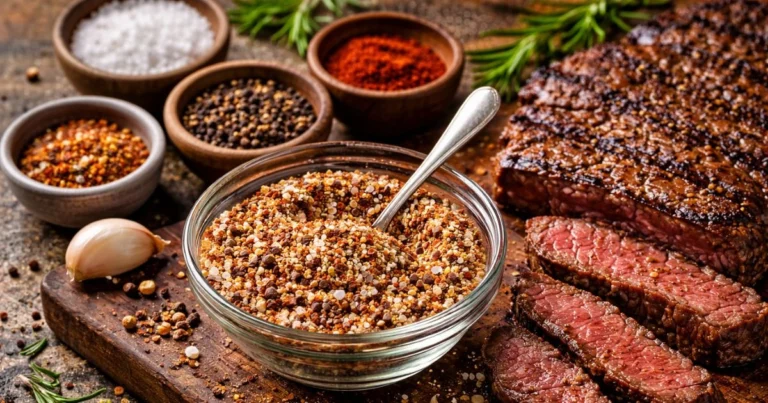
Classic choices include garlic powder, onion powder, smoked paprika, and ground mustard. A pinch of dried thyme or oregano complements the beef. Fresh parsley or thyme are best added at the end, as a garnish or folded into the gravy.
When and how to mix seasonings without overworking meat
Combine spices with the ground beef using a few gentle folds by hand or with a fork. Use minimal strokes until just combined. Overmixing can make the meat dense instead of tender.
For deeper flavor, stir in 1 teaspoon of Worcestershire sauce per pound of beef. It adds umami and enhances the seasoning without overpowering the simple profile of the best hamburger steak recipe.
How to Shape Patties for Even Cooking
Shaping patties right is key to a juicy result. Just follow a few simple steps. Your hamburger steak will cook evenly, sear well, and stay tender inside.

Proper patty size and thickness for consistent doneness
Make patties about 4 inches wide and 3/4-inch to 1-inch thick. This size ensures a good crust and a juicy center. For thicker steaks, finish them in the oven to avoid burning the outside.
Techniques to avoid compacting the meat
Be gentle with the ground beef. Use a light touch when patting it down. Pressing too hard makes the patties dense and dry.
For even results, press the meat into a ring mold or shape it gently with your hands. This way, you get loose, even patties.
Creating a slight indent to prevent doming
Make a shallow 1/4-inch indent in the patty’s center with your thumb. This helps prevent doming and ensures even cooking. Chill the patties 15–30 minutes before cooking to keep them firm.
These steps are crucial for a great hamburger steak recipe. Follow them, and you’ll get the best results every time.
Pan-Frying Method with Exact Cooking Times
Discover a reliable stovetop method for a crispy crust and a juicy center. Use a heavy skillet and follow a clear timeline for consistent results. This pan-fried hamburger steak recipe is perfect for quick weeknight dinners and those seeking easy, flavorful meals.
Preparing the skillet and choosing the right oil
Heat a cast iron or heavy stainless skillet over medium-high for a few minutes. Add 1–2 teaspoons of oil like canola, vegetable, or grapeseed. A small pat of butter can be added later for extra flavor.
Ensure the pan is hot before adding patties. A hot surface helps create a brown crust, sealing juices and enhancing flavor in this pan-fried hamburger steak recipe.
Cooking times for medium-rare to well-done
For 3/4–1 inch patties, follow these cooking times: sear 2–3 minutes per side for medium-rare (130–135°F), 3–4 minutes per side for medium (140–145°F), and 5–6 minutes per side for well-done (160°F+). Thicker patties may need a sear, then reduced heat or a short oven finish to avoid burning the outside.
These exact cooking times make this quick hamburger steak recipe reliable. Adjust by 30–60 seconds based on stove power and pan heat.
When to flip and how to check doneness
Flip only once after a good crust forms. Repeated flipping prevents proper browning and can squeeze out juices. Use an instant-read thermometer in the center to check internal temperature for safety and preferred doneness.
The USDA recommends 160°F for ground beef for safety. Many cooks aim for 145–155°F for a slightly pink, juicier result, understanding the trade-off between texture and safety. Rest patties 5 minutes and spoon pan juices over them before serving to boost flavor and juiciness.
Oven Finishing and Alternative Cooking Methods
Finishing your patties in the oven keeps the outside from getting too dark. It also makes sure the inside is cooked just right. This method is perfect for thicker patties and for cooking in batches.
How to finish patties in the oven for thick cuts
First, sear each patty in a hot skillet for 1–2 minutes on each side. This creates a nice crust. Then, move the skillet or patties to a baking sheet and bake at 350°F. This gentle heat cooks the inside without burning the outside.
Baking times and temperatures for reliable results
For 1–1.25 inch patties, bake for 6–10 minutes at 350°F to get them to medium (145°F). If your patties are 1.5 inches thick, bake for 12–15 minutes. Always check with a meat thermometer.
Grilling and broiling options with timing tips
For a smoky taste, try grilling over medium-high heat. Grill for 4–5 minutes on each side for medium, depending on the thickness. Watch out for flare-ups from the fat.
Broiling is great for quick cooking. Place patties 4–6 inches from the broiler and broil for 3–4 minutes on each side. Keep an eye on them and rotate pans as needed for even cooking.
Always use a thermometer to check if the patties are done. Let them rest for a few minutes after cooking. This allows the juices to spread evenly. You can choose oven finishing for thick cuts, grilling for smoky flavor, or broiling for fast cooking.
Making a Rich Onion and Mushroom Gravy
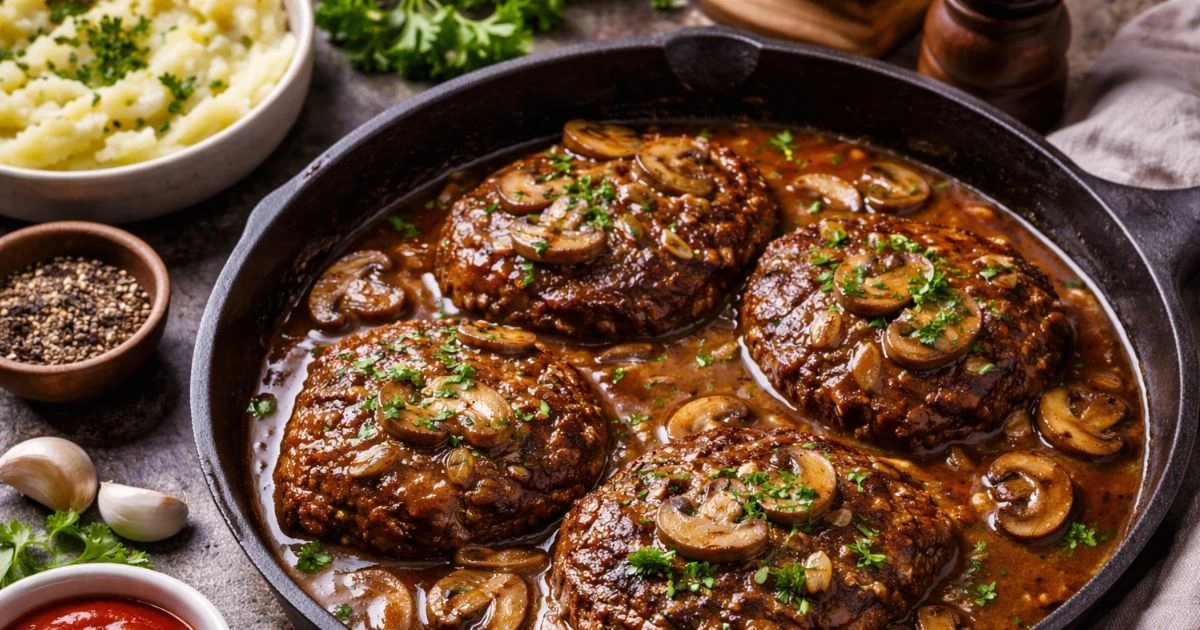
This onion mushroom gravy turns a simple patty into a special dinner. Start with good onions and cremini or white mushrooms. Keep the pan heat steady to get sweet flavor without burning.

Ingredients and step-by-step gravy technique
You’ll need sliced yellow or sweet onions (1–2 medium), 8 oz cremini or white mushrooms, 2 tbsp butter or oil, 2 cloves garlic, 1–2 tbsp all-purpose flour or a cornstarch slurry for gluten-free, 1 cup beef broth, 1–2 tsp Worcestershire sauce, salt and pepper, and an optional splash of red wine or balsamic vinegar.
Here’s how to make a reliable hamburger steak gravy:
- Sear your patties and set them aside on a plate.
- In the same skillet, melt butter over medium-low and cook onions 10–15 minutes until soft and starting to caramelize.
- Add mushrooms and raise heat slightly to brown them.
- Stir in garlic for 30 seconds, then sprinkle the flour and cook 1–2 minutes to remove raw flour taste.
- Deglaze with beef broth and Worcestershire sauce, scraping browned bits. Simmer until the sauce thickens.
- Return patties to the pan, spoon gravy over them, and simmer 2–4 minutes to meld flavors.
How to develop depth of flavor with caramelized onions
Slowly cooked onions are key to a delicious hamburger steak recipe. Low, steady heat breaks down sugars, creating rich, nutty notes in the gravy.
Add a splash of red wine or a teaspoon of balsamic vinegar during deglazing for more complexity. A small spoon of tomato paste or a bit of demi-glace will boost savory richness if you have it on hand.
Adjusting thickness and seasoning of the gravy
If the gravy is too thin, whisk in more flour cooked briefly, or stir a cornstarch slurry (1 tsp cornstarch mixed with 1 tsp cold water) a little at a time until you reach the desired viscosity.
Taste after the sauce reduces and adjust salt and pepper at the end to prevent over-salting. Spoon the finished onion mushroom gravy for hamburger steak generously over patties and serve with mashed potatoes, rice, or buttered noodles for a hearty meal.
Flavor Variations and Creative Twists
Make a simple hamburger steak exciting with small tweaks. Try a classic brown gravy or mushroom-onion sauce. Add caramelized shallots, red wine, or demi-glace for a fancy touch that’s easy to do at home.
Classic comfort choices
Brown gravy and mushroom-onion gravy are top picks for comfort. Cook onions slowly until they’re golden. Then, deglaze the pan with beef stock. Add butter and a cornstarch slurry for a shiny, clingy sauce.
International flavor twists
For a global twist, try a teriyaki glaze with scallions and sesame seeds. Japanese hambagu often uses demi-glace or ponzu-soy glaze for a tangy flavor. Mix curry powder into the meat for a curry version, served with a mild Japanese or Indian curry sauce.
Mexican-inspired and spicy options
Season patties with cumin and chili powder. Top with pico de gallo or smoky chipotle sauce for a burst of flavor. These options add spice and freshness without losing the comfort of the dish.
Stuffed and wrapped techniques
Try cheese-stuffed patties for a gooey center. Use cheddar, Swiss, or pepper jack. For bacon-wrapped patties, use toothpicks and bake until the bacon is crispy.
Practical beginner advice
If you’re new, start with classic gravies. Learn how seasoning and cooking time keep the meat juicy. Once you’re comfortable, explore international and creative recipes.
Tips to Keep Hamburger Steak Tender and Juicy
Make the best hamburger steak at home with a few simple steps. Focus on gentle handling, correct temperatures, and smart resting. These small changes can turn a good dinner into a memorable one.
Don’t overwork the meat—mix gently
When mixing seasonings into the ground beef, do it with light motions. Overmixing can make the meat dense and tough. Use a fork or your fingertips to mix just until it’s uniform. Then, form patties with soft hands and chill them briefly before cooking.
Resting time after cooking to lock in juices
After cooking, cover the patties loosely with foil and rest for about five minutes. This lets the juices redistribute, so they stay inside when you cut. Spoon some pan gravy or drippings over each patty while resting for extra moisture and flavor. This step is key to a juicy hamburger steak.
Temperature targets and using a meat thermometer
Use an instant-read thermometer to check the thickest part of the patty. For medium-rare, aim for 130–135°F. Medium is 140–145°F, and well-done is 155–160°F. The USDA suggests 160°F for ground beef for safety. Choose the right target based on your taste preferences.
Cook over medium-high heat to get a good sear without charring the outside. Choose an 80/20 beef blend for juicy, flavorful patties. Keep patties cold until they hit the pan to minimize shrinking and moisture loss.
| Tip | Action | Why it helps |
|---|---|---|
| Mixing | Blend gently, use fingertips | Prevents tough texture from overdeveloped proteins |
| Shaping | Form lightly, chill before cooking | Maintains shape and reduces moisture loss |
| Heat | Medium-high for sear, avoid extreme high heat | Creates crust while allowing even interior cooking |
| Resting | Tent with foil 5 minutes, spoon juices over patties | Lets juices redistribute for a juicier bite |
| Thermometer | Insert into thickest point, follow temp targets | Ensures desired doneness and helps food safety |
| Fat blend | Use 80/20 ground beef | Provides the best balance of flavor and juiciness |
Conclusion
You now have a complete, beginner-friendly hamburger steak recipe conclusion. It guides you from choosing the right ground beef to plating. Start with 80/20 or 85/15 ground beef, season gently, shape patties without overworking, sear in a hot skillet, and finish in the oven if your cuts are thick. Top with a rich onion-and-mushroom gravy or a simple pan sauce for classic comfort.
Practice the basic method until you feel confident, then experiment with variations. Try teriyaki, curry, cheese-stuffed, or bacon-wrapped twists once the classic is second nature. These tweaks let you adapt the best hamburger steak recipe to weeknight dinners or special meals without losing juicy texture.
Serve your homemade hamburger steak recipe with mashed potatoes, buttered noodles, steamed green beans, roasted carrots, or rice. Store leftovers in an airtight container in the refrigerator for 3–4 days, or freeze patties up to three months and thaw overnight. Reheat gently in a skillet with a splash of broth or in a 300°F oven until warmed through.
For reliable results, use an instant-read thermometer and keep seasoning simple. Follow the method here and you’ll consistently get juicy, flavorful hamburger steaks that earn a place in your regular dinner rotation.
FAQ
What is a hamburger steak and how is it different from a burger or Salisbury steak?
A hamburger steak is a seasoned ground-beef patty served as a main dish. It’s often served with gravy and sides. Unlike a burger, it’s eaten with a knife and fork.Salisbury steak is similar but has more binders and a finer texture. It’s often served with a brown gravy. Hamburger steak is simpler and great for weeknight dinners.
What ground beef ratio should I use for the juiciest hamburger steak?
For the juiciest steak, use 80/20 ground beef. This mix has 80% lean meat and 20% fat. If you prefer leaner meat, 85/15 is a good choice.But avoid 90/10 or leaner meat unless you add moisture. Very lean meat can dry out.
Do I need a binder like egg or breadcrumbs?
Binders are optional. For a classic steak, skip them and keep the meat loose. This helps it stay tender.If your beef is lean or you want firmer patties, add an egg or breadcrumbs. Mix them gently until just combined.
How should I season hamburger steaks for the best flavor?
Season with kosher salt and black pepper just before cooking. For extra flavor, add 1 tsp Worcestershire sauce per pound. A pinch of garlic or onion powder and smoked paprika also work well.Add fresh herbs to the gravy for a brighter taste. This way, the meat stays flavorful without being overpowered.
What’s the best way to shape patties so they cook evenly?
Make patties 3/4–1 inch thick and 4 inches wide. Use light pressure when shaping. Don’t squeeze the meat.Press a shallow 1/4-inch indent in the center of each patty. This prevents them from doming. Chill the patties 15–30 minutes before cooking to help them hold their shape.
How long do I pan‑fry hamburger steaks and what internal temperature should I target?
For 3/4–1 inch patties, sear 3–4 minutes per side for medium. This is about 140–145°F. For medium-rare, aim for 2–3 minutes per side (130–135°F).Well-done takes about 5–6 minutes per side (160°F+). Flip only once after a good crust forms. Use an instant-read thermometer to check doneness.USDA recommends 160°F for ground beef. Many cooks prefer lower temps for juicier results.
When should I finish hamburger steaks in the oven, and how long does that take?
Finish in a 350°F oven for thicker patties or even cooking. After searing, transfer to the oven. For 1–1.25 inch patties, cook about 6–10 minutes for medium.Thicker patties (1.5 in) may need 12–15 minutes. Always check with a thermometer.
How do I make a rich onion and mushroom gravy to serve with hamburger steak?
Start with the pan drippings after searing. Sauté sliced onions in butter over medium-low until caramelized (10–15 minutes). Add mushrooms and cook until browned, then stir in garlic.Sprinkle 1–2 tbsp flour and cook briefly. Deglaze with about 1 cup beef broth and 1–2 tsp Worcestershire sauce. Simmer until slightly thickened, then return patties to the pan and simmer 2–4 minutes to meld flavors. Adjust thickness with a cornstarch slurry if needed.
Can I make flavor variations like teriyaki, curry, or cheese‑stuffed steaks?
Yes. For teriyaki glaze, brush patties with teriyaki sauce and top with scallions and sesame seeds. For curry, mix mild curry powder into the meat and serve with a curry sauce.To make cheese-stuffed patties, enclose a cube of cheddar or Swiss in the center and seal carefully. Finish in oven if needed so cheese melts without burning the exterior. Start with the classic gravy before trying more advanced twists.
How do I keep hamburger steaks tender and avoid dense texture?
Mix seasonings in gently and minimally; overworking compacts the meat. Use an 80/20 blend for juiciness. Keep patties cold until cooking.Sear over medium-high heat, then rest patties loosely tented for 5 minutes after cooking. This lets juices redistribute. Spoon some pan juices or gravy over them during rest for extra moisture.
What are good side dishes and how do I store leftovers?
Classic sides include mashed potatoes, buttered noodles, steamed green beans, roasted carrots, or rice. Store leftover patties and gravy in an airtight container in the refrigerator for 3–4 days.Freeze patties (without gravy) up to 3 months; thaw overnight in the fridge. Reheat gently in a skillet with a splash of broth or in a 300°F oven until warmed through.
Can I grill or broil hamburger steaks instead of pan‑frying?
Yes. Grill over medium-high heat about 4–5 minutes per side for medium depending on thickness; watch for flare-ups. For broiling, place patties 4–6 inches from the heat and broil 3–4 minutes per side for medium.Use indirect heat or move patties to a cooler zone if the exterior chars before the interior reaches the target temperature.
What if I only have lean ground beef—how do I prevent dryness?
If using lean beef (90/10), add grated onion, 1 tablespoon olive oil, or a small panade (1 tbsp milk-soaked breadcrumbs per pound) to introduce moisture. Cook gently and avoid overcooking; consider finishing in the oven with a splash of broth to preserve juiciness.
Are there gluten‑free or keto adaptations for this recipe?
For gluten-free, use gluten-free breadcrumbs or omit them and bind with an egg. Thicken gravy with cornstarch or a gluten-free flour blend. For keto or paleo, skip breadcrumbs and use an egg binder or almond flour if needed; use low-sugar sauces and serve with non-starchy sides like roasted vegetables or cauliflower mash.