7 Easy Salmon and Rice Recipe Ideas
Table of Contents

You’re about to discover seven easy salmon and rice recipes perfect for weeknights, meal prep, and healthy lunches. Salmon is packed with heart-healthy omega-3s, and rice provides filling carbs. Together, they create a balanced, satisfying meal you can make at home.
This guide will show you how to prepare a variety of simple dishes. You’ll learn about pan-searing and baking, and explore flavors like teriyaki, garlic-butter, and spicy sriracha. Each recipe is designed to be quick and reliable, so you can enjoy dinner on busy evenings.
The article also covers essential details. You’ll get tips on ingredients, step-by-step cooking methods, and how to make fluffy rice. There are also ideas for tasty variations, side dishes, and meal-prep strategies. Plus, you’ll learn how to boost flavors, use useful tools, present your dish nicely, and safely reheat leftovers.
If you’re a U.S. home cook looking for an easy salmon and rice dinner, this collection has you covered. With these 7 easy salmon and rice recipe ideas and helpful tips, you’ll be able to cook with confidence.
Key Takeaways
- Salmon plus rice is a balanced, quick meal for busy home cooks.
- Recipes include pan-seared, baked, teriyaki, garlic-butter, and spicy options.
- You’ll get step-by-step methods and rice-cooking tips for reliable results.
- Guidance covers meal prep, storage, reheating, and simple flavor boosts.
- The focus is on practical, easy salmon and rice recipe ideas you can make tonight.
Why This Salmon and Rice Recipe Works
This recipe is a hit for taste, ease, and health. It combines lean protein and omega-3s from salmon with rice’s steady energy. It’s perfect for busy weeknights and meal prep.
Balanced and Nutritious Meal
Salmon is packed with protein and omega-3s for heart and brain health. Rice adds complex carbs, B vitamins, and extra fiber and minerals with whole-grain options.
Portioning is key for a balanced meal. Aim for 3–4 ounces of salmon with 1/2 to 1 cup of rice and veggies. This combo keeps you full and energized without too many calories.
Boost nutrition with simple changes. Try brown rice or wild rice for more fiber. Add broccoli, spinach, or edamame for extra vitamins and minerals.
Perfect for Meal Prep
Salmon and rice reheat well, making this recipe great for meal prep. Rice cooks easily in a rice cooker or on the stove. Salmon can be baked, grilled, or seared in batches.
Timing is everything for easy prep. Cook rice ahead and cool it fast, then refrigerate it. Portion salmon, rice, and veggies into containers for up to 4 days of meals.
Remember food safety basics. Refrigerate dishes within two hours of cooking. Eat them within 3–4 days or freeze for longer. Proper handling keeps your meal safe and delicious.
Ingredients for the Best Salmon and Rice Recipe
For a delicious salmon and rice dish, choose simple, high-quality ingredients. Start with fresh fish and the right rice. Then, add seasonings and sauces that fit your taste.
Choosing Fresh Salmon
At the fish counter, look for moist, bright flesh and a firm texture. Avoid fish with a strong smell. Salmon colors range from orange to deep pink.
For a consistent taste, pick Atlantic farmed salmon. If you prefer a stronger flavor, choose wild-caught sockeye or coho. King (chinook) salmon has the richest, fattiest texture.
Check labels for freshness and sustainability. Look for Seafood Watch or MSC ratings.
Best Type of Rice to Use
Your rice choice greatly affects the dish. Short-grain sushi rice is sticky and holds sauces well. Long-grain white rice is fluffy and easy to separate.
Jasmine or basmati rice adds a nice aroma. Brown rice is nutritious and chewy. Wild rice blends offer a nutty taste and visual appeal.
Use basic ratios for consistent results. White rice is 1:2 rice-to-water. Brown rice needs 1:2.5 or follow package directions. A rice cooker makes cooking easier.
Flavorful Seasonings and Sauces
Stock up on kosher salt, black pepper, garlic powder, and smoked paprika. Add lemon zest for brightness. Fresh herbs like dill, parsley, and cilantro enhance the dish.
For umami, try soy sauce, sesame oil, honey, or brown sugar. Teriyaki, sriracha, tamari, and gochujang are great store-bought options. They save time and boost flavor.
Compound butter or garlic-butter sauces add richness. A citrus vinaigrette with lemon or lime balances flavors for a lighter dish.
| Ingredient | Why It Works | Tip |
|---|---|---|
| Atlantic farmed salmon | Consistent mild flavor, affordable | Buy skin-on for crisp searing |
| Wild-caught sockeye or coho | Stronger, more pronounced flavor | Great for bold marinades |
| King (chinook) salmon | High fat, rich texture | Best for simple salt-and-pepper seasoning |
| Short-grain sushi rice | Sticky, holds sauces | Rinse until water runs clear |
| Long-grain jasmine or basmati | Fluffy, aromatic | Use 1:2 rice-to-water ratio |
| Brown rice | Whole-grain, chewy | Cook longer or use 1:2.5 ratio |
| Smoked paprika & garlic powder | Adds depth and savory notes | Use sparingly to avoid overpowering |
| Soy sauce, sesame oil, teriyaki | Provide umami and glaze | Choose low-sodium options when possible |
| Lemon or lime vinaigrette | Brightens and balances richness | Whisk with olive oil and a pinch of salt |
How to Make Salmon and Rice Recipe
Learning to make salmon and rice at home is easy. Start with a simple method to make cooking fish and rice a breeze. Here are three reliable ways to get great results.
Pan-Seared Salmon Method
First, pat the fish dry with paper towels. Then, season both sides with salt and pepper. Heat a heavy skillet over medium-high heat and add a tablespoon of oil.
Place the fillet skin-side down if it has skin. Press gently for 20 seconds to ensure even contact. Cook 3–5 minutes until the skin is golden.
Flip the fillet and cook another 2–4 minutes, depending on its thickness. Aim for an internal temperature of 125–130°F for medium-rare. Use a splatter screen to keep your stove clean. Finish with butter and let it rest before serving with rice.
Baked Salmon Option
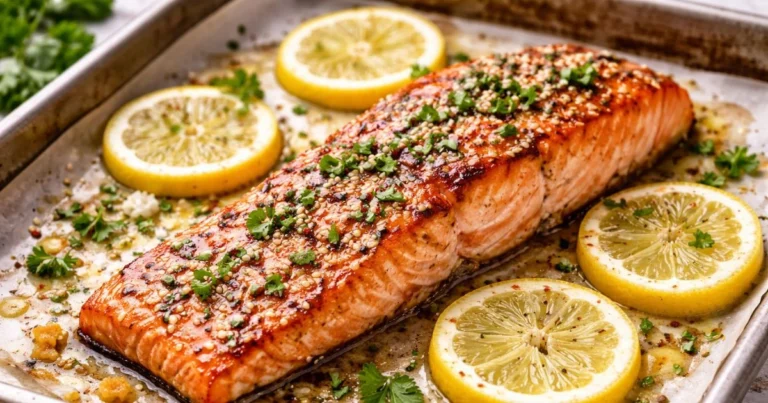
Preheat your oven to 400°F. Line a baking sheet with parchment or foil. Place seasoned fillets on the sheet and drizzle with olive oil or marinade.
Bake 10–15 minutes based on thickness. Check doneness at 125–145°F. For extra moisture, cook in foil packets with lemon and herbs.
Broil for 1–2 minutes at the end for a crisp top. This method is great for meal prep and family dinners.
Cooking Fluffy Rice
Rinse rice under cold water until the water runs clear. Use a 1:1.5 rice-to-water ratio for jasmine. For standard white rice, use 1:2. Check the package for ratios.
Bring water to a boil, then reduce to a low simmer. Cover and cook white rice for 15–20 minutes. Brown rice takes about 40–45 minutes. Turn off the heat and let rest for 10 minutes, then fluff with a fork.
Use a rice cooker or Instant Pot for hands-off cooking. For quick meals, warm leftover rice in a skillet with a splash of water. Proper technique ensures fluffy rice that pairs well with salmon and rice dishes.
Delicious Variations of Salmon and Rice Recipe
Make a simple salmon and rice dish into a weeknight favorite. Just change the sauce, toppings, and sides. Here are three easy ways to do it. They keep prep time short and flavors high.
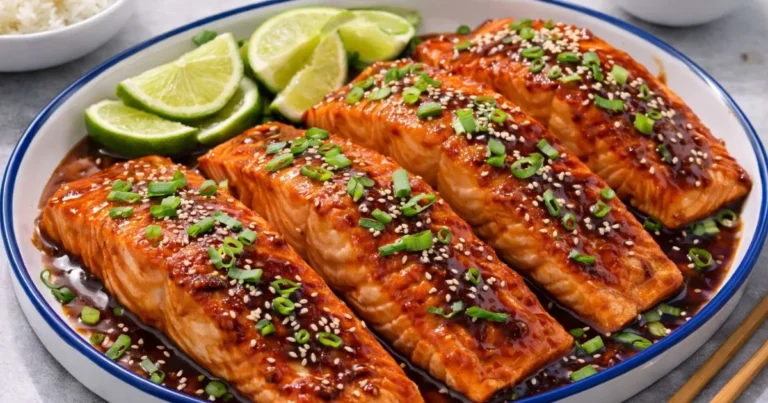
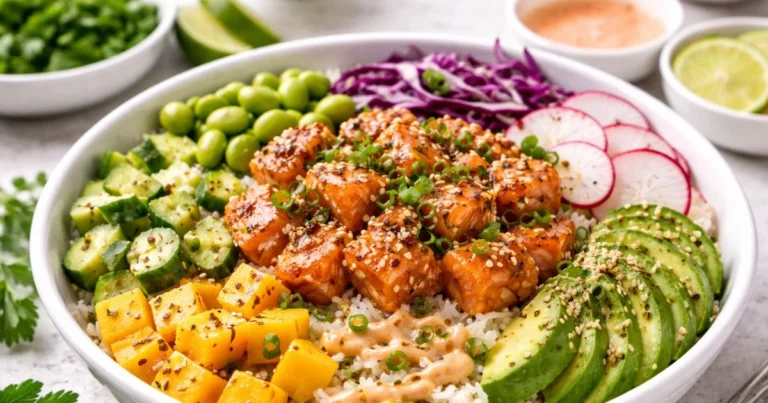
Teriyaki Salmon Bowl
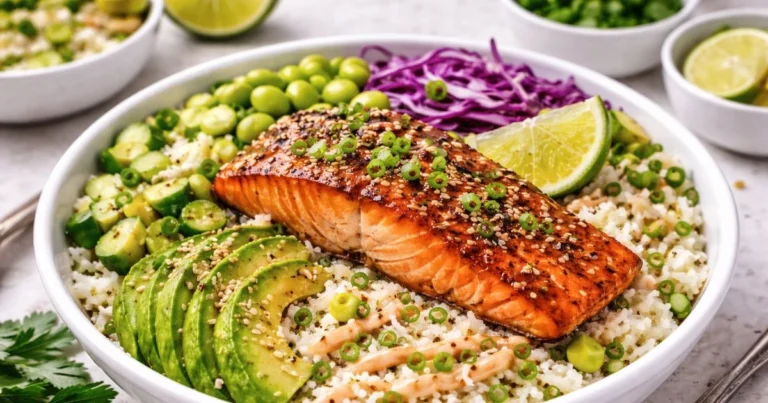
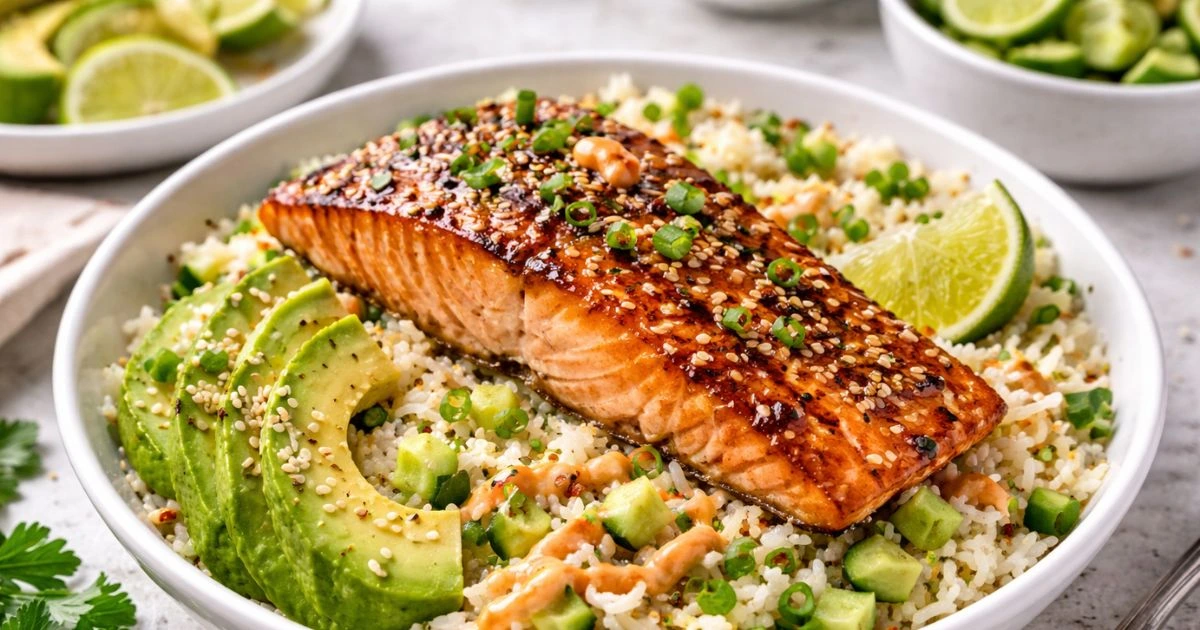
Begin with steamed jasmine rice. Then, top it with glazed salmon. Use a teriyaki sauce made from soy sauce, mirin, brown sugar, garlic, and ginger. It should be shiny and sweet.
Add steamed broccoli, sliced scallions, and sesame seeds for crunch. For a nice contrast, add pickled cucumbers or sliced avocado. They balance the sweet glaze.
Garlic Butter Salmon and Rice
For a rich, comforting dish, pan-sear or bake salmon. Then, spoon garlic-herb butter over it. Use unsalted butter, garlic, lemon juice, and parsley for a bright flavor.
Pair it with fluffy white or brown rice and sautéed greens. Make compound butter ahead and freeze it. This makes it easy to assemble when you want garlic butter salmon and rice.
Spicy Sriracha Salmon Version
For a spicy dish, brush salmon with a sriracha glaze. Mix sriracha, mayonnaise, lime juice, and honey for balance. This adds a nice kick.
Plate it with steamed rice, a shredded cabbage slaw, and fresh cilantro. Swap gochujang for a Korean twist or chili-garlic sauce for more heat. This spicy sriracha salmon is a real treat.
These salmon and rice variations let you create dinners that match your mood. Choose one for a family dinner or mix them up throughout the week. It’s a great way to keep meals exciting without extra effort.
What to Serve with Salmon and Rice Recipe
Choosing the right sides can make a salmon and rice dinner unforgettable. Look for light, bright flavors to balance the richness of the fish. Also, pick textures that match your main dish’s seasoning. Here are some easy, flexible ideas for weeknight meals or dinner guests.
Fresh salads add a nice crunch and acidity that complements salmon and rice. A mixed greens salad with orange or lemon vinaigrette is a great choice. For an Asian twist, try a cucumber and tomato salad with rice wine vinegar, perfect with soy- or teriyaki-glazed salmon.
Keep your salads simple. Add avocado, edamame, toasted almonds, or sesame seeds to connect the salad to the salmon and rice. For a quick, elegant side, mix arugula or baby spinach with shaved fennel and a lemon squeeze.
Steamed vegetables add color and nutrition without overpowering the dish. Broccoli, green beans, asparagus, bok choy, snap peas, and carrots are all good choices. Steam them until they’re just tender to keep their vibrant color and crisp texture.
Season steamed vegetables with flavors that match your entree. Sesame oil and soy sauce work well with Asian-style salmon. A lemon squeeze is perfect for buttered vegetables with garlic-herb salmon. For a richer taste, add a small pat of compound butter if your rice is buttery.
When planning sides for salmon and rice, aim for a balanced plate. Choose one fresh salad and one warm vegetable. Change up dressings and finishes each week to keep your dinners exciting and satisfying.
Quick Salmon and Rice Meal Ideas for Busy Weeknights

Weeknight dinners need to be quick, tasty, and easy. These ideas for salmon and rice meals are perfect for busy nights. They use simple steps to make a delicious meal that everyone will love.
15-Minute Assembly Tips
Begin by warming pre-cooked rice in the microwave or a skillet. Thin salmon fillets cook in 3 to 4 minutes per side. Steam frozen veggies in the microwave or a steam basket for a fresh finish.
Have some bottled sauces ready, like Kikkoman teriyaki or Lee Kum Kee soy-ginger. Use pre-washed salad mixes and bagged microgreens to save time. Assemble bowls in under 15 minutes with leftover salmon for a quick meal.
Follow a simple plan: warm rice, sear salmon, steam veggies, then plate. Add a drizzle of sauce and garnish with scallions or sesame seeds.
Using Leftover Rice and Salmon
Leftover rice and salmon offer many quick meal options. For salmon fried rice, heat a skillet, add oil, and toss in rice, peas, and salmon. Add soy sauce and sesame oil for flavor.
Make salmon rice bowls by layering rice, salmon, greens, and a lemon dressing. Stuffed peppers are another great reuse idea. Mix rice, salmon, herbs, and cheddar, then bake until peppers are tender.
Remember to reheat seafood to 165°F and eat within 3 to 4 days. These ideas make using leftovers feel fresh and intentional.
| Quick Meal | Time | Key Ingredients | Why It Works |
|---|---|---|---|
| 15-minute salmon bowl | 15 minutes | Thin salmon fillet, warmed rice, steamed broccoli, teriyaki | Fast cooking fish and ready rice cut overall time |
| Salmon fried rice | 12–15 minutes | Day-old rice, flaked salmon, egg, peas, soy sauce | Uses leftovers and cooks quickly in a hot skillet |
| Salmon-stuffed peppers | 25 minutes | Bell peppers, rice, flaked salmon, herbs, cheese | Batch makes well and reheats for lunches |
| Roasted salmon plate | 20 minutes | Pre-roasted salmon, microwave rice, mixed greens | No-cook greens speed assembly for a light meal |
Healthy Salmon and Rice Dish Swaps
Making small changes can make a big difference. You can make a healthy salmon and rice dish without losing flavor. Try new sauces and grains to keep meals tasty and easy to make.
Lower sodium options are easy to find. Use low-sodium soy sauce or tamari to cut down on salt. Try homemade marinades with citrus, garlic, ginger, and herbs for a fresh taste.
Flavor boosters can replace salt. Lemon juice and zest add brightness. Rice vinegar or sherry vinegar add tang. Fresh herbs and toasted sesame oil add depth.
Whole grains are better for you. Swap white rice for brown rice, farro, quinoa, or wild rice blends. Each grain cooks differently, so follow package directions.
For a low-carb option, try cauliflower rice. Sauté grated cauliflower with oil and seasonings until tender. Add herbs and lemon for a light base.
Think about nutrition when swapping. Whole-grain options offer more fiber and B vitamins. Cauliflower rice is lower in carbs but less in fiber. Balance with vegetables or a salad for a complete meal.
Use this comparison to guide your choices and portions.
| Swap | Calories (approx) | Fiber | Best Use |
|---|---|---|---|
| White rice → Brown rice | +20 per cup cooked | Higher (about 1–2g more) | Everyday bowls, meal prep |
| White rice → Quinoa | Similar | Higher; complete protein | Protein-forward bowls |
| Grains → Cauliflower rice | Lower by 80–100 kcal | Lower; add veggies for fiber | Low-carb meals, lighter dinners |
| Regular soy sauce → Low-sodium soy/tamari | Minimal change | No change | Reduce sodium while keeping umami |
| Store teriyaki → Homemade citrus-herb marinade | Often lower in sugar and salt | No change | Fresh-flavored entrees, grilling |
Simple Salmon and Rice Techniques to Boost Flavor
These quick techniques help you boost flavor salmon and rice without fuss. Start with a clear plan for marinating and finish with bright garnishes to lift every bite.
Marinating Basics
For marinating salmon and rice, use an acid, oil, aromatics, and a touch of sweet or umami. Combine lemon or rice vinegar with olive or sesame oil. Add garlic, ginger, or fresh herbs for depth. Stir in honey, brown sugar, or soy sauce for balance.
Marinate delicate fillets for 15–30 minutes. Short times prevent the acid from “cooking” the fish and keep texture tender. For a citrus-herb mix try lemon, dill, and olive oil. For Asian notes mix soy sauce, sesame oil, garlic, ginger, and brown sugar. For heat blend sriracha, honey, and lime.
Finishing Touches and Garnishes
Finishing touches for salmon and rice bring texture and brightness. Toasted sesame seeds add nutty crunch. Slice scallions or chop cilantro for fresh herbs. Offer lemon or lime wedges for a last-minute squeeze.
Use microgreens or crushed peanuts for extra texture. Drizzle a little chili oil or extra-virgin olive oil to seal flavors. A sprinkle of flaky sea salt or a light squeeze of citrus often makes a dish taste fresher and more balanced.
| Technique | Ingredients | Timing | Effect |
|---|---|---|---|
| Simple Citrus-Herb Marinade | Lemon, dill, olive oil | 15–30 minutes | Bright, fresh flavor without softening texture |
| Soy-Ginger Marinade | Soy sauce, sesame oil, garlic, ginger, brown sugar | 20–30 minutes | Deep umami, glossy finish for rice pairing |
| Spicy Sweet Marinade | Sriracha, honey, lime | 15–25 minutes | Sweet heat that complements steamed rice |
| Quick Garnish Kit | Toasted sesame, scallions, lime wedges, flaky sea salt | At serving | Boosts flavor salmon and rice with texture and brightness |
Best Salmon and Rice Recipe Tools and Equipment
Getting great results starts with the right gear. Below is a guide to the best tools for salmon and rice recipe success. It includes must-haves and optional gadgets that speed up prep and cooking. Choose what fits your kitchen and budget.

Essential Kitchen Tools
You need a few reliable pieces for consistent meals. A good nonstick skillet or a seasoned cast-iron pan is key for a crisp, even sear on salmon. Cast-iron holds heat well and creates a superior crust when you pan-sear.
A reliable oven and a heavy baking sheet are important for baking salmon. Use parchment or a light oil to prevent sticking. A sharp chef’s knife and a sturdy cutting board speed up prep and protect the fish and produce during slicing.
Measuring cups and spoons keep ratios right for rice and marinades. A digital instant-read thermometer prevents overcooking by checking internal temperature quickly. Mixing bowls help you combine marinades, toss rice with herbs, and organize mise en place.
Optional Gadgets to Save Time
Consider a rice cooker or Instant Pot for perfectly cooked rice without babysitting the pot. These are great optional gadgets for quick salmon meals when you need hands-off timing and consistent texture.
Silicone spatulas protect nonstick surfaces and make scraping bowls easy. A splatter screen keeps your stovetop cleaner while pan-searing. A mandoline gives uniform thin slices for salads or garnishes. A small food processor chops garlic, herbs, and mixes quick marinades or garlic butter in seconds.
If you want appliances that cut cook time, try an air fryer to crisp salmon with less oil. A microwave steamer or a simple stainless-steel vegetable steamer basket speeds up side dish prep and keeps vegetables bright and tender.
- Must-haves: nonstick or cast-iron skillet, oven + baking sheet, chef’s knife, cutting board, measuring cups/spoons, instant-read thermometer, mixing bowls.
- Nice-to-have: rice cooker or Instant Pot, silicone spatula, splatter screen, mandoline, small food processor, air fryer, microwave steamer.
Homemade Salmon Rice Recipe Presentation Tips
Good presentation can make a simple meal feel special. Use clean lines, bright colors, and small garnishes. These tips help make your salmon and rice meal look great, whether it’s for dinner or packed lunches.
Plating for Family Meals
Start with a neat bed of rice in the center of the plate. You can also shape it with a small bowl for a tidy look. Place a seasoned salmon fillet on top, slightly off center to show off its texture.
Put vegetables on one side for color contrast. Choose a green vegetable like steamed broccoli or blanched green beans. Add a crunchy element like toasted sesame seeds or chopped almonds.
Finish with a thin sauce drizzle over the salmon and a citrus wedge on the plate. Sprinkle fresh herbs like dill or cilantro for aroma and visual appeal.
Meal-Prep Container Ideas
Use bento-style or divided containers to keep rice separate from saucy and crunchy items. Pack sauces in small leakproof cups to prevent sogginess and keep flavors distinct.
Portion wisely: aim for 3–4 oz salmon, 1/2–1 cup cooked rice, and 1 cup of vegetables per container. This balance supports consistent macros and freshness for 3–4 days in the fridge.
Layer textures: place rice on one side, salmon on the other, and crisp salad or pickles in a separate compartment. Add a small citrus wedge and a sprinkle of seeds at serving time for the best look.
| Tip | Why It Works | Quick Example |
|---|---|---|
| Rice molded with a bowl | Keeps portions neat and highlights the salmon | Half-cup rice molded, salmon fillet on top, steamed broccoli at side |
| Divided containers | Prevents sauces from making rice soggy | Bento box with rice, salmon, pickled cucumber, sauce cup |
| Crunch and color balance | Enhances texture and visual appeal | Toasted sesame + sliced radish + lemon wedge |
| Separate sauce cups | Maintains freshness during storage | Teriyaki in a small container, added just before eating |
Storage and Reheating Tips
Keep your salmon and rice recipe tasting fresh by handling leftovers with care. Cool cooked rice and salmon to room temperature within two hours. Place them in airtight containers and label with the date. Follow USDA guidance and discard leftovers kept beyond the recommended times.
Proper Storage
For best results, store rice and salmon separately when possible to preserve texture. Refrigerate sealed containers for up to 3–4 days. If you need longer storage, freeze portions for 1–2 months for optimal quality.
When packing for quick salmon and rice meal storage, use shallow containers to cool food faster. Note the date on each container so you can rotate meals and avoid spoilage.
Follow proper storage salmon rice rules: keep the fridge at 40°F or below. If a dish has been left out past two hours, it’s safer to discard it instead of risking foodborne illness.
Reheat Without Drying Out
Reheating is simple when you aim to reheat salmon without drying out. In the oven, preheat to 275–300°F, place salmon covered with foil, and warm for 10–15 minutes until heated through.
On the stovetop, add a splash of broth or olive oil to a skillet, nestle the salmon in, cover briefly, and steam gently. For microwave use, put salmon and rice in a microwave-safe dish, add a tablespoon of water or broth, cover, and heat in short intervals to avoid overcooking.
To preserve moisture and flavor, add a pat of butter or a drizzle of oil before reheating. Finish with a squeeze of lemon or a sprinkle of fresh herbs to refresh the dish.
| Step | Method | Temperature/Time | Tip |
|---|---|---|---|
| Cool & Store | Refrigerator | Room temp ≤2 hours, fridge 3–4 days | Use shallow, airtight containers; label dates |
| Long-Term | Freezer | 1–2 months for best quality | Portion before freezing for easy thawing |
| Oven Reheat | Covered with foil | 275–300°F, 10–15 minutes | Add butter or broth to retain moisture |
| Skillet Reheat | Low heat, covered | 3–6 minutes depending on thickness | Splash of broth or oil to steam |
| Microwave Reheat | Covered, short bursts | 30–60 seconds intervals until warm | Add 1 tbsp water or broth and cover |
| Food Safety | Internal Temp | Reheat to 165°F | Discard leftovers beyond safe storage times |
Conclusion
This conclusion wraps up the main points about salmon and rice recipes. They are both versatile and nutritious, making them easy to prepare. You can choose to pan-sear for a crispy finish or bake for a hands-off approach.
Choosing the right rice and seasonings can change the flavor. You can go for teriyaki, garlic-butter, or spicy sriracha.
These meals are great for weeknight dinners and meal prep. They are quick to assemble and easy to store. Reheating tips keep the salmon moist.
Swapping brown rice or cauliflower rice makes them healthier. But they still taste great.
Ready to try these recipes? Start with one of the seven ideas. Experiment with new marinades and add fresh garnishes like scallions or lemon zest. Always follow safe food-handling practices and adjust the seasoning to your taste. This way, these meals will become a staple in your weekly routine.
FAQ
What makes salmon and rice a healthy meal choice?
Salmon is full of omega-3s, which are good for your heart and brain. Rice gives you carbs and, depending on the type, fiber and B vitamins. Together, they make a balanced meal when you add veggies. Aim for 3–4 oz cooked salmon, 1/2–1 cup cooked rice, and a serving of veggies for energy and fullness.
Which type of salmon should I buy for the best flavor and value?
Atlantic farmed salmon is affordable and consistent for weeknight meals. For stronger flavor, choose wild-caught sockeye or coho. King (chinook) has richer, fattier flesh. Look for moist, brightly colored fillets that smell fresh. Consider frozen-at-sea options or sustainability labels like MSC or Seafood Watch for quality and traceability.
What’s the easiest way to cook salmon for a quick dinner?
Pan-searing thin or medium-thickness fillets in a hot skillet is quick and reliable. Season, place skin-side down (if present), and cook 3–5 minutes until the skin is crisp. Flip and cook 2–4 minutes until it reaches 125–130°F for medium-rare or up to 145°F for fully cooked. Finish with butter and let rest briefly before serving.
How do I cook fluffy rice that pairs well with salmon?
Rinse white rice under cold water until clear to remove excess starch. Use the recommended ratio for your rice variety (commonly 1:2 rice-to-water for long-grain white; brown rice needs more water and time). Bring to a boil, reduce to a simmer, cover and cook until water is absorbed (about 15–20 minutes for white, 40–45 for brown). Let rest 10 minutes, then fluff with a fork. A rice cooker or Instant Pot gives consistent results with minimal supervision.
Can I meal-prep salmon and rice for the week?
Yes. Both rice and salmon reheat well when stored properly. Cook rice ahead and refrigerate separately. Bake or pan-sear salmon and portion into airtight containers with rice and vegetables for 3–4 days. Refrigerate within two hours of cooking, label dates, and reheat to at least 165°F. For longer storage, freeze portions for up to 1–2 months.
What are simple sauce and seasoning ideas that boost flavor without extra effort?
Keep staples on hand: kosher salt, black pepper, garlic powder, smoked paprika, lemon zest, soy sauce, sesame oil, honey, and fresh herbs like dill or parsley. Quick sauces: teriyaki (soy, mirin, brown sugar), garlic-herb butter (butter, garlic, lemon, parsley), or a sriracha-lime glaze (sriracha, mayo or honey, lime). Use citrus or vinegar-based dressings to brighten richness without adding much sodium.
Which rice varieties work best for different salmon dishes?
Match rice to the style: jasmine or basmati for aromatic bowls, long-grain white for a fluffy base, short-grain sushi rice for sticky bowls, brown rice for whole-grain nutrition, and wild rice blends for nutty texture. Choose based on mouthfeel and cooking time—brown and wild blends need longer cooking and slightly more water.
How do I keep salmon moist when reheating leftovers?
Reheat gently at low temperature. Oven method: preheat to 275–300°F, cover salmon with foil and warm 10–15 minutes. Skillet method: add a splash of broth or oil, cover briefly to steam. Microwave: place salmon and rice in a microwave-safe dish with a tablespoon of water or broth, cover and heat in short intervals. Adding a pat of butter or a drizzle of oil before reheating helps preserve moisture.
What quick variations can I make to keep salmon-and-rice meals interesting?
Try a teriyaki salmon bowl with jasmine rice, steamed broccoli, scallions and sesame seeds; garlic-butter salmon over brown rice with sautéed greens; or a spicy sriracha-glazed salmon with shredded cabbage slaw and cilantro. Swap sauces (gochujang, chili-garlic), change rice types, or add pickled vegetables and avocado for different flavor profiles.
Are there lower-carb or whole-grain swaps that still taste great?
Yes. For more fiber choose brown rice, farro, quinoa, or a wild rice blend. For a low-carb base try cauliflower rice—sauté grated cauliflower 5–7 minutes with seasonings until tender. Adjust portion sizes and pair with vegetables to keep meals balanced while changing macronutrient goals.
How long can I store cooked salmon and rice safely in the fridge?
Store cooked salmon and rice in airtight containers and refrigerate within two hours. Consume within 3–4 days. Label containers with the date. If you want longer storage, freeze portions and use within 1–2 months for best quality. Always reheat to at least 165°F before eating.
What tools make cooking salmon and rice easier and faster?
Essential tools include a heavy skillet (cast-iron or nonstick), a reliable oven and baking sheet, a sharp chef’s knife, a digital instant-read thermometer, and measuring tools. Time-savers: rice cooker or Instant Pot, silicone spatula, splatter screen, and an air fryer for fast crispy salmon.
Can I use frozen salmon, and how should I thaw it?
Frozen salmon is fine and often high quality. Thaw overnight in the refrigerator for best texture. If you need it fast, place sealed fillets in cold water for 30–60 minutes, changing the water as needed. Cook immediately after thawing. Previously frozen salmon can be cooked from semi-frozen if adjusting time, but full thaw gives the most even cook.
How do I avoid overcooking salmon while ensuring food safety?
Use an instant-read thermometer to check doneness. Cook to 125–130°F for medium-rare (moist, slightly translucent center) or 145°F for well done per USDA guidance. Remove salmon from heat a few degrees before the target temp and let it rest 3–4 minutes; carryover heat will finish cooking while preserving moisture.
Love This Recipe? Leave a Review!
There are no reviews yet. Be the first one to write one.