Asian Salmon Recipe: 7 Easy and Flavorful Ways to Make It
Table of Contents

You know the way a single dinner can lift a tired week? This opening is for you—the home cook who wants big taste with little fuss.
Fast, pantry-friendly, restaurant-style glaze at home is my promise. You’ll learn three main methods: broiler for caramelization, skillet plus oven for even doneness, and air fryer for quick crisp skin.
These seven approaches pair quick glazes and marinades made from everyday sauces like soy, sweet chili, oyster sauce, ginger, and garlic. Prep only takes minutes and cook time is usually under 15 minutes.
This guide suits busy weeknights, beginners who want reliable doneness, and cooks who crave a shiny glaze without complicated steps. I’ll include simple swaps for pantry gaps and notes for skin-on versus skinless fillets.
Next, I’ll map the seven methods, show mix-and-match sauce ideas, and give timing tips so you can serve a glossy, flavorful dish with confidence.
Key Takeaways
- Big flavor with few ingredients: pantry sauces create fast glazes.
- Three main methods: broiler, skillet + oven, and air fryer.
- Prep is short; most cooks finish in about 15 minutes of cook time.
- Works for busy weeknights and cooks learning reliable doneness.
- Includes swaps for common pantry gaps and skin-on vs skinless tips.
Introduction to This asian salmon recipe for Busy Weeknights
You can get a restaurant-style glaze on a fillet in the time it takes to cook rice. This guide shows you how to mix a quick sauce, cook the fish in minutes, and still get bold, layered flavor.
Why it fits weeknights: you whisk the sauce in a bowl, pat the fillets, and broil or sear. Most cooks finish in about 15–20 minutes, plus an optional 30-minute marinate if you want deeper flavor.
Pantry-friendly ingredients carry the load: soy sauce, garlic, ginger, and sweet chili or oyster-style condiments. Each adds balance—salty umami, heat, and sweetness—so you get a glossy, caramelized finish fast.
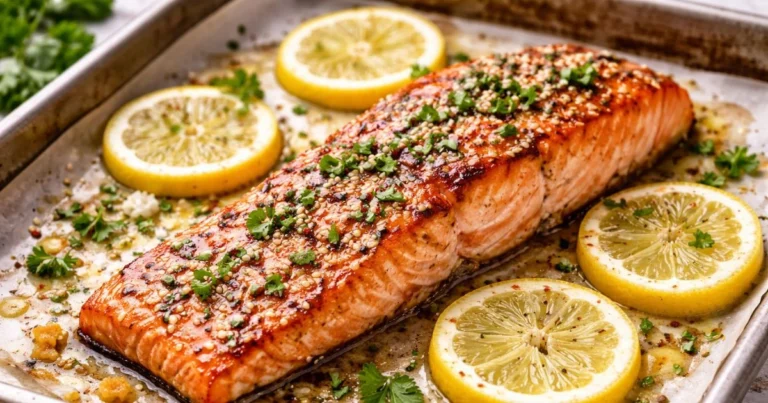
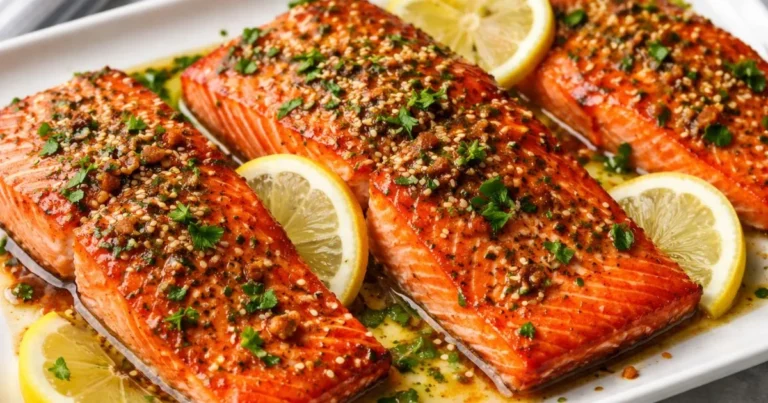
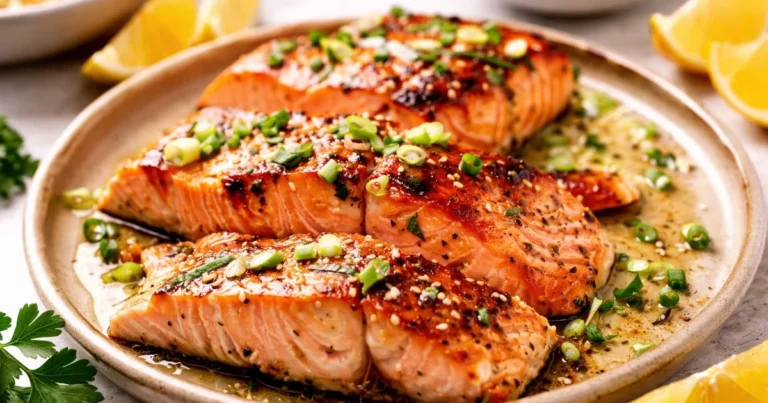
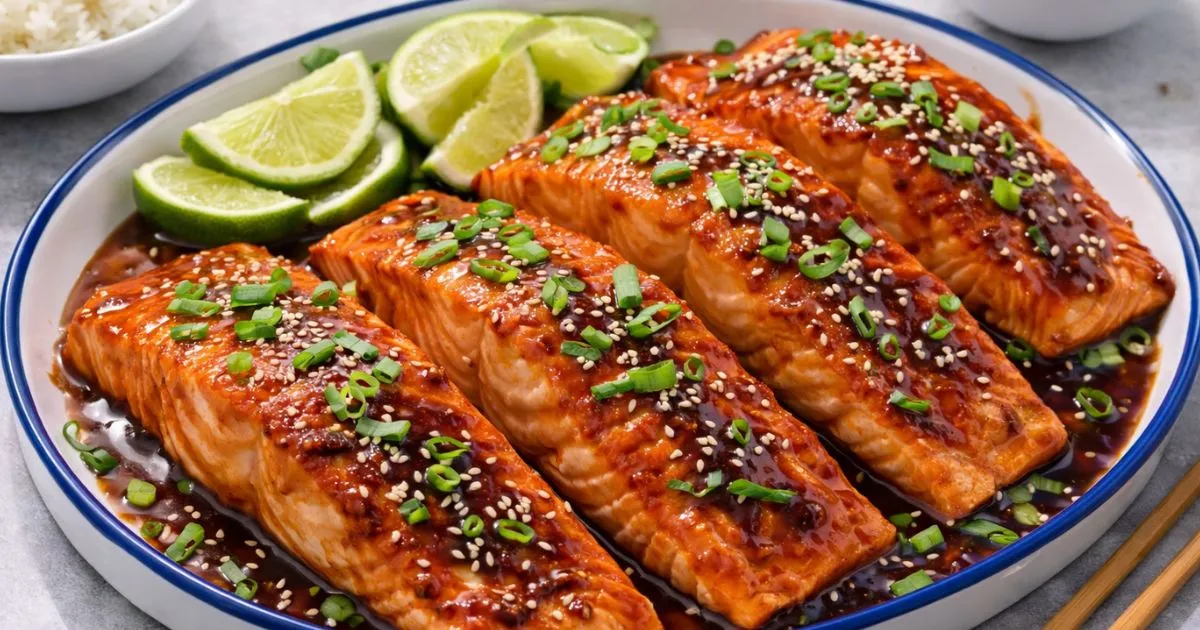
You’ll get a shiny glaze, caramelized edges, and a sesame-ginger aroma that feels restaurant-style. I’ll give broiler, skillet, and air fryer options so you can use what you have.
Reassurance: I’ll also share simple temperature targets so you hit perfect doneness without overcooking the fish.
What Makes Asian Salmon Different?
What sets this style apart is a tight balance of savory depth, sweet gloss, and a clean bright note. You get layered taste with just a few pantry items, so the dish feels complex without extra work.
Umami-forward: soy, oyster, and ginger
Soy adds salt and depth that lets the fish sing. A touch of soy sauce brings savory backbone while oyster sauce prevents flatness by adding rounded, meaty richness.
Ginger brightens the profile and cuts through the natural oil of the salmon so each bite feels fresh.
Sweet-heat balance you control
Sweet chili or a spoon of honey gives shine and quick caramelization. Add a little sriracha when you want sharper heat. Think of the heat level as a dial—you adjust it to your taste.
Restaurant-style finish: glaze and sesame aroma
A true glaze reduces to cling to the fillet rather than run off. Broiling or a very hot skillet creates fast caramelization and browned edges while keeping the center tender.
Finish with toasted sesame or a drop of sesame oil for aroma, not dominance.
| Component | Role | Quick tip |
|---|---|---|
| Soy | Salt, umami depth | Use low-sodium to control salt |
| Oyster sauce | Savory richness | Add small amount to avoid heaviness |
| Ginger | Bright, cutting note | Grate fresh for best lift |
| Honey / Sweet chili | Shine, caramelization | Brush near end to avoid burning |
Ingredients You Need for Asian-Style Salmon
Gather the right fillets and a few key pantry ingredients before you turn on the heat. This saves time and keeps the fish juicy.
Which fillets to buy and why
Look for thicker, center-cut salmon fillets at US grocery stores. Thicker pieces cook evenly and stay moist.
Skin-on fillets hold together during a sear and give you crisp skin. Skinless works well for broiling or bowls.
Prefer fattier Atlantic for richness. Sockeye is leaner and cooks faster—trim your time accordingly.
Core flavor builders
- Soy or soy sauce for savory depth.
- Garlic for punch and ginger for bright freshness.
- Rice vinegar to balance sweet and salty notes.
Sweet, spicy, and finishing touches
Sweet chili or honey gives shine and caramelization. Add chili paste or sriracha to dial up heat.
Finish with sesame seeds, scallions, cilantro, lime, or chopped peanuts for contrast.
| Item | Role | Quick swap |
|---|---|---|
| Neutral oil | Prevents sticking; tolerates heat | Canola or grapeseed |
| Salt & pepper | Basic seasoning to enhance flavor | Use kosher salt; freshly ground pepper |
| Honey / sweet chili | Shine and caramelization | Maple syrup or brown sugar |
Prep tip: Have your sauce mixed and your pan hot—salmon cooks fast, so be ready before the heat is on.
Step-by-Step Instructions for a Glazed Salmon Dinner

Quick, clear steps help you move from prep to plate in under 30 minutes without guesswork. Follow the sequence below for consistent results whether you broil or use a hot skillet.
Prep in minutes
Pat the fillets dry so they sear and brown. Season lightly with salt pepper and divide into even portions for uniform cooking time.
Optional quick marinade
A 30-minute rest deepens flavor without breaking down the fish. If you have more time, you can marinate longer, but avoid overnight so the texture stays firm.
Make the glaze
Simmer your sauce briefly until it thickens. Use tablespoons to measure — two tablespoons of sweetener to balance soy and acid is a common start. Brush the glaze in thin layers so it clings and turns glossy.
Broil for caramelization
Preheat the broiler on high and place the rack about 10 inches from the heat. Use a bare metal sheet pan — do not use parchment under the broiler. Dab glaze onto the fillets; avoid pooling sauce around the fish to prevent burning.
Skillet method for a crust
Heat a sturdy pan until it’s screamin’ hot. Add oil and sear the fillets undisturbed skin-side down (if using skin) until golden. Flip, brush with glaze, then finish in a 425°F oven until nearly done.
How to know it’s done
Check doneness with an instant-read thermometer: pull at about 122°F for medium-rare (carryover will raise it) or 140°F for medium. Use the flaking test as a backup: the fish should separate easily but still look moist.
Rest 4–5 minutes before serving so carryover heat finishes cooking and the glaze sets. Swap sauces freely while keeping this method the same for weeknight dinners that shine.
Best Asian Sauces for Salmon (Mix-and-Match)
Start with a simple sauce base and build shine, heat, and umami in layers. Below are three dependable templates you can switch between for broiling, searing, or glazing. Each formula is pantry-friendly and designed to give a glossy finish without fuss.
Sweet chili + oyster + soy (marinade for broiling)
Mix grated ginger, minced garlic, 2 tablespoons soy sauce, 1 tablespoon oyster sauce, and 2 tablespoons sweet chili sauce. Marinate 15–30 minutes, then broil.
Why it works: oyster sauce adds umami so the glaze won’t taste flat, and sweet chili caramelizes quickly under high heat.
Soy + ginger + honey glaze with rice vinegar and garlic
Combine 3 tablespoons soy, 1 tablespoon rice vinegar, 1 tablespoon honey, grated ginger, and a smashed garlic clove. Simmer until slightly thick, then brush in layers. Reserve a spoonful for serving so the top stays glossy.
Sweet chili + sriracha + soy (fast pan glaze)
Stir sweet chili sauce, a dash of sriracha, and 2 tablespoons soy in a bowl. Brush onto the fillet while searing and flip once to build a sticky, shiny coat in minutes.
- Quick swaps: out of sweet chili? Use honey + sriracha for balanced sweetness and heat.
- Need more heat? Add chili paste or red pepper flakes a teaspoon at a time.
- No honey? A little brown sugar or maple syrup will give the same gloss.
Adjust sweetness and heat by small increments: an extra tablespoon of honey for more shine, or a teaspoon of sriracha for bite. Keep tastes balanced so the fish stays the star.
Safety note: Sugary sauces reduce fast and can scorch. Simmer gently and watch closely when thickening so the glaze doesn’t burn.
Transition tip: With any sauce, pat the fillets dry, use a hot pan or preheated broiler, and reserve some glaze for finishing to avoid burnt top layers.
Cooking Tips for Tender Salmon and a Shiny Glaze
A few simple timing and heat tricks make the difference between dry fish and a moist, glossy fillet. These practical steps help you finish a fillet with confidence and minimal fuss.
Keep it juicy
Stop cooking earlier than you think and rely on carryover heat. Pull the fillet at the target temperature and rest 4–5 minutes so the center finishes without drying.
Prevent sticking and tearing
Preheat your pan until it’s very hot. Add neutral oil just before the fillet so the surface seals immediately. Don’t flip until the fish releases naturally.
Use a thin fish spatula to flip gently. For a skillet sear, let the skin set undisturbed for a crisp edge.
Avoid burnt sauce and glaze problems
Reduce the glaze separately until it’s thick. Brush in thin layers late in the cooking process instead of dumping sauce into the pan. Under the broiler, dab glaze on and keep excess off the tray to cut smoke and burning.
Skin choices and finishing
Keep skin-on to crisp it and to give structure while searing. Or cook skin-on and lift the flesh off after cooking if you prefer to leave the skin behind. Trim excess fat near the tail for even browning.
Tip: Match these steps to your equipment—broiler, pan, or air fryer—so you get an easy salmon dinner that stays tender and glossy.
Variations: Oven, Pan-Seared, and Air Fryer Methods
Match your equipment to the outcome you want: quick caramelization, a hearty crust, or simple air-fryer convenience. Below are three concise paths so you can pick based on time and cleanup.
Broiler for fast caramelization
Why it works: the broiler gives intense top heat, which creates the best caramelized glaze in the shortest time.
Preheat the broiler and place the fillets about 8–10 inches from the element. Broil 6–10 minutes depending on thickness. Prep the sauce ahead to reduce cleanup and brush thinly near the end to avoid burning.
Skillet sear then bake for a crust
Texture advantage: searing in a hot pan forms a crust while finishing in the oven keeps the interior moist.
Heat a heavy pan with a little oil until shimmering. Sear skin-side down 3–4 minutes, flip, then transfer the pan to a 400°F oven for 5–8 minutes.
Air fryer for simplicity and speed
Season simply and air fry at 375°F for 8–12 minutes. Reduce your glaze on the stovetop and spoon it over the fillets after cooking to prevent scorching in the basket.
Scaling and serving tips
Do not overcrowd the pan, sheet, or basket—leave space so heat circulates and the fish browns instead of steaming.
- For a crowd, cook in batches or use multiple pans and keep finished fillets warm on a sheet in a low oven.
- Quick timing: most fillets finish in 8–12 minutes; thicker pieces need a few more minutes.
- Hosting tip: keep the glaze warm on low and brush right before serving for the shiniest finish.
Transition: Once cooked, pair the fillets with simple sides—rice bowls, quick veggies, and bright toppings—to turn this into a complete serving.
What to Serve with Asian Salmon

Build a balanced plate fast: a bowl base, a green side, and bright toppings make a weeknight serving feel complete.
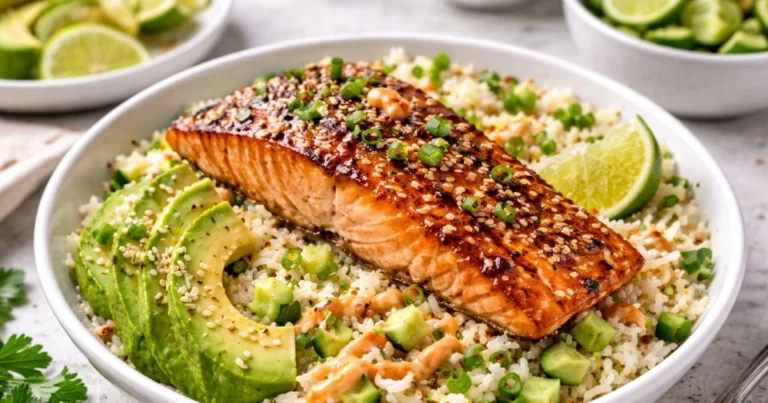
Rice bowl ideas
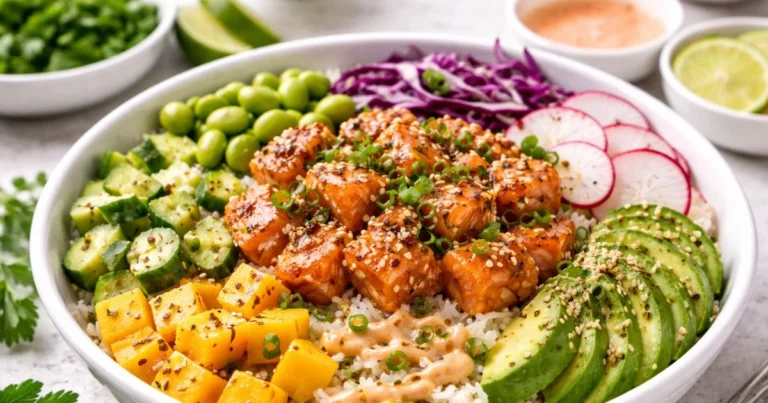
Use steamed white rice or nutty brown rice as your base. Top with quick add-ins like sliced cucumber, shredded carrots, and edamame for color and crunch.
Tip: For a one-pan twist, stir-fry cooked rice with snap peas and a splash of soy to echo the glaze.
Vegetable sides that match the glaze
Pair the rich, glazed fillet with clean, bright vegetables so the meal stays balanced. Steamed Asian greens, sautéed snap peas, or a quick stir-fry mix work well.
Fresh toppings that wake the dish
Finish with chopped scallions or thin-sliced onions, a sprinkle of sesame seeds, cilantro, and a squeeze of lime. These small touches lift the flavors without extra fuss.
“Drizzle a little extra sauce over the rice, not the fish, to keep the glaze glossy and the grains seasoned.”
- Rule for sides: keep veggies light to contrast the sweet-savory glaze.
- Use leftover fillets cold in a salad or hot over a rice bowl the next day.
- Assembly timeline: start rice, cook vegetables while the fish rests, then finish with toppings and a final drizzle.
Storage and Reheating Tips for Leftover Salmon
A quick cool-down and the right container keep glazed fillets from turning soggy. Store properly and you’ll get an easy second meal without the dried-out texture that ruins leftovers.
Best way to store glazed fillets without sogginess
Cool the fish at room temperature for no more than 30 minutes, then chill. Place the fillet in an airtight container or wrap tightly in plastic wrap.
Keep extra sauce or glaze separate when you can. This prevents the topping from soaking into the flesh and making it limp.
Reheat gently to protect texture
Use low, even heat and stop early so carryover finishes the center.
- Oven: 275–300°F until just warmed, usually 8–12 minutes depending on thickness.
- Skillet: low heat with a splash of water, cover, and warm for 3–5 minutes.
- Microwave: short 20–30 second bursts, checking between bursts to avoid overcooking.
Leftover ideas: salad topper, rice bowl, or easy protein add-on
Flake cooled fillets over a crisp salad, or build a quick rice bowl with fresh scallions and lime. You can also fold pieces into scrambled eggs or tofu for an easy protein boost.
Refresh flavors after reheating with a squeeze of lime, chopped scallions, or a sprinkle of sesame seeds for a near-fresh serving.
| Step | Why it matters | Quick timing |
|---|---|---|
| Cool then seal | Prevents bacterial growth and sogginess | Cool 20–30 minutes, refrigerate |
| Store sauce separately | Keeps texture and shine | Store glaze in small jar |
| Reheat gently | Protects moisture and prevents overcooking | Oven 8–12 mins; skillet 3–5 mins |
“Glazed fillets taste best the day they’re made, but careful storage keeps them enjoyable for next-day lunches.”
Now you’re ready to move to the final wrap-up and quick FAQ to answer the most common leftover questions.
Conclusion
FAQs
Can you make this asian salmon recipe in the air fryer? Yes. Air fry plain or lightly seasoned fillets at 375°F for 8–12 minutes. Reduce the glaze on the stove, then spoon or brush it on after cooking to avoid scorching in the basket.
What internal temperature should you cook salmon to? Pull the fish around 122°F for medium-rare and about 140°F for medium. Carryover heat will raise the temp a few degrees during the short rest.
Do you need to marinate salmon, or can you glaze it right away? Both work. A 15–30 minute marinade adds depth, but glazing right before cooking saves time and still gives a glossy finish—perfect for busy weeknight prep.
How do you keep the glaze from burning under the broiler? Dab thin layers of glaze, avoid pooled sauce on the tray, and place the rack roughly 10 inches from the element. Brush near the end of the cook and watch closely for caramelization.
What’s the best substitution if you don’t have sweet chili sauce or oyster sauce? Use honey + sriracha for sweet-heat, and boost umami with a splash of extra soy or a small amount of fish sauce. Adjust sugar or honey by a teaspoon at a time to balance sweetness and heat.
Conclusion
A quick glaze, hot pan, or short broil turns pantry staples like soy, ginger, and garlic into a glossy, restaurant-style finish in minutes. Pick one sauce template and one method—broiler or skillet—tonight, then rotate variations through the week so the dish never feels repetitive.
Finish each plate with toasted sesame, chopped scallions, and a squeeze of lime for the brightest, most ‘restaurant-style’ pop.
FAQ
How long does it take to make a soy-glazed salmon fillet?
From prep to plate you can expect 15–25 minutes. Pat fillets dry, season briefly, sear skin-side down 3–4 minutes, then finish in a hot oven or under the broiler 4–8 minutes depending on thickness. Allow a few minutes of carryover heat before serving.
Should you cook fillets skin-on or skinless for best texture?
Cook skin-on for a crisp exterior and easier handling in the pan. Use a hot, lightly oiled skillet and press the fillet down for the first minute to prevent curling. If you prefer no skin, remove it before serving or buy skinless fillets and reduce direct sear time to avoid overcooking.
What temperature indicates the fish is done?
Aim for an internal temperature of 125–130°F (52–54°C) for medium, moist fish; 135°F (57°C) if you prefer it firmer. Use an instant-read thermometer in the thickest part, or check for gentle flaking with a fork.
Can I use bottled soy-based sauces or should I make my own glaze?
Bottled sauces like Kikkoman or Lee Kum Kee work well for convenience. Making a quick glaze with soy sauce, honey or brown sugar, ginger, garlic, and a splash of rice vinegar lets you control sweetness and salt. Reduce briefly for a thicker clingy glaze.
How do I prevent the glaze from burning while broiling?
Reduce sugar in the final brush if broiling at high heat. Brush once near the end of cooking and watch closely — broilers cook fast. Alternatively, broil just to caramelize for 1–2 minutes and finish glazing off the heat.
What oil is best for searing to prevent sticking and off-flavors?
Use a high-smoke-point neutral oil such as canola, vegetable, or grapeseed. Add a teaspoon of toasted sesame oil at the end for aroma rather than using it for the initial sear, which can cause burning.
Can you marinate fillets ahead of time, and for how long?
Yes. A quick 20–30 minute marinade is ideal for added flavor without changing texture. Avoid acidic marinades longer than 30–60 minutes for thin fillets, as they can begin to cure the flesh.
How do I get a glossy, restaurant-style finish?
Make a reduced glaze by simmering your sauce until slightly thickened, then brush in the final minutes of cooking. A final quick broil or a spooning of warm reduced sauce right before serving adds shine and cling.
Is it safe to cook frozen fillets without thawing?
You can cook from frozen, but increase cooking time and use a covered pan or oven method to ensure even heat. Thawing in the refrigerator overnight gives better texture and allows for seasoning or a short marinade.
What sides pair best with a soy-ginger glazed fish dinner?
Serve with steamed white or brown rice, quick sautéed greens like bok choy or snap peas, and fresh garnishes such as scallions, toasted sesame seeds, or lime wedges for brightness.
How should you store leftovers to keep the glaze from making the fish soggy?
Cool quickly, then store in an airtight container with the glaze on the side if possible. Refrigerate up to 2–3 days. Reheat gently in a low oven (275–300°F) or a skillet over medium-low to preserve texture.
Can you use the air fryer for a glazed fillet, and how does glazing work there?
Yes. Cook the fillet plain in the air fryer at 380–400°F until nearly done, then spoon or brush on a reduced glaze and air-fry 1–2 minutes more to set. This prevents sugars from burning while still delivering shine.