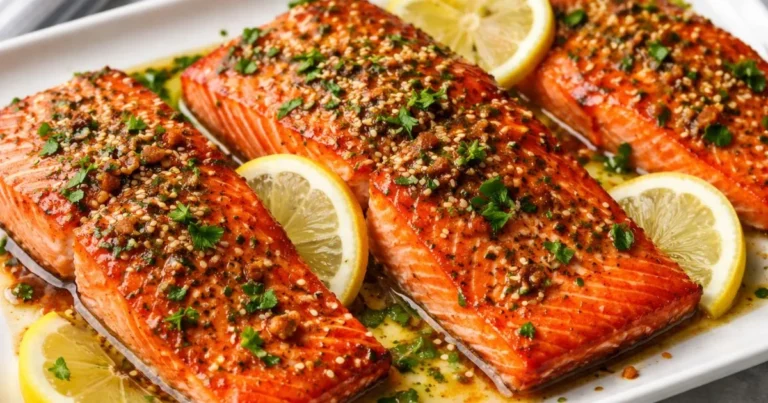

Old Fashioned Salmon Patties Recipe: 7 Easy Classic Steps
Table of Contents
Some of my best weeknight memories smell like a skillet and a simple pantry. I remember opening a can, mixing crumbs and an egg, and hearing that first sizzle. That comfort is exactly what this guide delivers: a quick, grandma-style pantry dinner that feels like home and cooks in minutes.
Salmon patties—also called salmon cakes or croquettes—turn canned fish into a golden, crisp skillet meal. This page walks you through seven clear steps: crush crumbs, drain and flake the fish, mix, shape, heat a thin layer of oil, pan-fry, then drain and keep warm. The result is a crisp exterior with a tender center.
The method relies on pantry staples like canned fish, crackers or breadcrumbs, and an egg binder with simple seasonings. Canned fish is already cooked and ready; use cooked fresh fish with slight binder tweaks. I also note handy options: cast iron or nonstick pans, a baked alternative, and make-ahead or freezing tips for busy nights.

Key Takeaways
- Pantry staples make quick, weeknight-friendly patties with a crispy crust.
- Canned fish is cooked and ready; adjust binder if using fresh cooked fish.
- Seven simple steps guide you from crumbs to golden skillet finish.
- Use a thin layer of oil for pan-frying to keep them light, not deep-fried.
- Cast iron or nonstick both work; baking and freezing are easy options.
Why This Classic Salmon Patties Recipe Still Works for Busy Weeknights
Weeknight cooking wins when a pantry staple turns into a fast, satisfying skillet dinner. This method keeps things simple, reliable, and quick. Prep takes only a few minutes, and the payoff is a warm, homey plate with little cleanup.
Pan-fried, not deep-fried: the thin-layer oil method
Use a thin layer of oil across the bottom of the skillet to get a crisp crust without deep frying. Aim for steady medium heat so the exterior browns while the inside stays moist.
Budget-friendly pantry staples with a nostalgic feel
One can of salmon plus cracker crumbs or breadcrumbs and an egg in a bowl is all you need to form binding rounds. These simple ingredients make this approach fast, cheap, and familiar—like a family dinner you can trust.
- Crisp without the mess: Pan-frying uses less oil and cleans up faster than deep frying.
- Predictable timing: A steady sizzle signals the right heat for even browning.
- Batch cooking: Cook in batches, drain on paper towels, and keep finished pieces warm while you fry the rest.
- Success looks like: Rounds that hold together, brown evenly, and stay tender inside.
| Feature | Why it helps on weeknights | Practical tip |
|---|---|---|
| Thin oil layer | Crisps edges without excess fat or splatter | Heat until oil shimmers, then add patties |
| Pantry ingredients | Fast, shelf-stable, and low cost | Use crackers or panko as binder in a bowl |
| Skillet batches | Maintains even cooking and timing | Keep finished items on a warm plate while cooking more |
Ingredients You Need for Crispy, Golden Brown Salmon Patties
Choosing the right pantry items makes a big difference. Start with quality canned salmon labeled wild or Alaskan/wild-caught when possible; pink and sockeye (red) varieties often show up in stores and vary in flavor and color. Check cans for skinless/boneless options if you prefer no bones.
Canned options and bones
If your can includes skin or bones, you can remove them for a smoother mix or mash them in; fine bones are edible and add calcium but change texture.
Binders and crumbs
An egg is the primary binder; mayo adds moisture when the mix seems dry or when using tuna. For texture, choose crackers, saltine crackers, panko, or cornmeal. Ritz adds buttered saltiness, saltines are lean and crisp, panko gives airy crunch, and cornmeal makes the exterior extra crispy.
Flavor builders and swaps
Brighten the mix with lemon juice, grated onion, or green onions. Dried parsley, lemon pepper, or a dash of Old Bay lift the profile. Small pantry swaps—bread crumbs for crackers or dill for parsley—keep the classic result without extra shopping.
- Core categories: canned salmon, binder, crumbs, aromatics, seasoning, frying fat—each shapes texture and hold.
- Quick tip: taste and adjust a teaspoon of lemon juice or a pinch of seasoning before forming rounds.
Kitchen Tools That Make Salmon Patties Easier
Choosing the right gear saves time and keeps texture intact. A few well-selected tools help you get a deep crust, clean flips, and even batches.
Cast iron vs nonstick for best crust
Cast iron holds steady heat and builds a richer brown on the exterior. It is ideal when you want crisp edges and consistent browning.
Nonstick pans reduce sticking and are fine for gentle cooking, but they brown less intensely. If you use nonstick, watch the heat to avoid scorching.
Essential tools and why they matter
Use a mixing bowl for gentle combining and measuring cups for consistent size. A thin spatula flips cleanly and lowers breakage.
Stage shaped rounds on a plate or sheet pan so cooking flows without crowding. Drain on paper towels or a wire rack to keep the crust crisp.
| Tool | Benefit | Tip |
|---|---|---|
| Cast iron skillet | Deep crust, consistent browning | Preheat until evenly hot |
| Nonstick pan | Less sticking, easier cleanup | Use moderate heat only |
| Spatula & plate | Clean flips; batch staging | Use thin spatula; keep a warm plate nearby |
Prep Tips for the Best Texture and a Patty That Doesn’t Fall Apart
A few careful prep moves make a big difference in texture and handling when frying. Follow a clear order in the bowl to save time and avoid rework.
Drain, flake, and check for skin and bones
Drain canned salmon thoroughly. Flake gently with a fork, keeping larger pieces for texture.
Inspect the mix for skin and bones and remove any big bits you don’t want. Small bones are edible, but check for comfort.
Don’t overmix — keep the fish tender
Mix just until combined. Overmixing turns the interior gummy and dense.
Gently fold in an egg, crumbs, or crushed crackers to bind without making the mix paste-like.
Chill to firm the mixture
When you have the time, chill the formed mix 15–30 minutes. This helps binders set so patties flip cleanly.
Shape with lightly wet hands
Wet your hands to prevent sticking. Compress enough for structure, but don’t pack so tight the patty goes flat.
Press a sample patty: it should hold its shape when lifted. If it crumbles, add a little more crumbs or crushed saltine or crackers. If it slumps, add a touch more binder.
| Prep Step | Why it helps | Quick tip |
|---|---|---|
| Drain & flake | Reduces excess moisture and preserves texture | Use a fork and drain in a fine sieve 1–2 minutes |
| Mix gently | Keeps interior tender, not pasty | Fold ingredients until just combined |
| Chill 15–30 min | Sets binders for easier flipping | Refrigerate shaped rounds on a plate |
| Wet hands to shape | Prevents sticking and over-compression | Lightly wet palms before each patty |
Old Fashioned Salmon Patties Recipe Mix: The Bowl Method
The bowl method is a simple mix-and-check routine that keeps texture steady and prevents breakage when you fry.
Start in a bowl: add flaked fish, measured crumbs, a beaten egg, and seasonings. Fold gently until the mix just comes together. This gives a tender center and helps the exterior brown evenly.
How to balance “too wet” vs “too dry” before you form patties
Too wet: the mixture clings to your hands and won’t hold a clean shape. Fix this by adding crushed crackers or more bread crumbs a little at a time.
Too dry: the mix cracks or falls apart when pressed. Add a splash of lemon juice, a spoon of reserved juice from the can, or a small extra splash of water. These liquids add moisture without overmixing.
Crumb choices matter: Ritz-style crackers add fat and flavor and absorb less liquid. Panko stays airy and soaks up more oil. Standard bread crumbs absorb steadily. Adjust by feel rather than exact cups.
Egg is the main structural binder; if the mix still feels fragile, a tablespoon of mayonnaise will add cohesion and creaminess. Before shaping the whole batch, press a quick test patty in the bowl. If it lifts intact, you’re ready to shape and cook.
Forming Patties for Even Cooking
Shaping rounds with a consistent scoop makes cook time predictable and helps every piece brown the same. Pick a size that fits your plan: a larger patty for a hearty dinner or small rounds for appetizers.

Choosing portion size
Use a 1/2-cup scoop for dinner-size portions so each patty finishes in the same minutes. For appetizer bites, halve that scoop and expect faster cook time.
Thickness and cook time
Aim for about 3/4 inch thick. That thickness crisps on the outside while warming the center without drying. Thinner pieces need careful watching after the flip.
Consistency tips
Measure to match: use a measuring cup or scoop to form each patty so the patties recipe cooks predictably. Chill shaped rounds briefly to firm binders before frying.
“A steady portion size is the easiest trick for even browning and simple timing.”
Smaller rounds pair well with dipping sauce and are easy to keep warm in batches. When you serve salmon patties, stage them on a warm plate and work in consistent batches to keep heat and texture steady.
Seven Easy Classic Steps to Pan-Fry Salmon Patties
This straightforward pan-fry flow keeps timing predictable and results crisp and warm. Work step by step so each piece holds together and browns evenly.
Crush crackers into coarse crumbs
- Place crackers in a zip-top bag and roll with a pin until coarse like dried bread crumbs. Aim for texture that binds without turning to dust.
Drain and flake the salmon
- Drain well, then flake gently in a bowl so the fish stays tender.
Combine ingredients in a bowl
- Mix salmon, crumbs, a beaten egg, a splash of lemon juice, diced onion, and your seasoning gently until just combined.
Scoop and shape
- Portion with a scoop and form rounds about 3/4 inch thick. Chill briefly if you have time.
Preheat skillet and heat the oil
- Preheat a skillet over medium-high. Add about 1/4 cup oil and wait until it shimmers before adding the first batch.
Cook until golden brown, then flip
- Cook the first side about 8 minutes, then flip and finish 5–6 minutes more. Don’t rush—lower the heat if the exterior browns too fast.
Drain and keep warm
- Drain finished pieces on paper towels and tent loosely with foil while you cook remaining batches. Do not crowd the pan; leave space so each round gets even heat.
| Step | Target | Quick Tip |
|---|---|---|
| Crush crumbs | Coarse, not powder | Use a rolling pin in a bag |
| Preheat pan | Oil shimmering | About 1/4 cup oil in a hot skillet |
| Cook time | 8 min first side; 5–6 after flip | Adjust heat if browning too fast |
| Batch cooking | Do not crowd | Keep finished pieces warm under foil |
How to Know When Salmon Patties Are Done
Doneness shows up in the color and feel: look for an even, golden brown surface and a slightly firm center. Visual and tactile checks are fast and reliable before you reach for tools.
The visual cues: crispy edges and golden brown color
First, scan the edges. They should look crisp and dry, not pale or wet. Both sides should be an even, golden brown before you flip or remove from the skillet.
Temperature check: reaching 145°F internal temperature
If you want a precise check, insert an instant-read thermometer into the thickest salmon patty. Aim for 145°F in the center for safe doneness.
- Touch test: the top should feel set and resist a gentle press with a spatula, not squishy.
- Timing varies: thickness and pan heat change the minutes needed, so check cues instead of cooking strictly by time.
- Common mistake: very high heat browns the crust too fast and leaves an underdone center. Lower the heat to finish gently.
- Rest briefly: let cooked salmon patties sit a couple minutes so steam evens out and the interior stays moist.
Easy Variations and Seasoning Swaps
Small, measured swaps keep the base intact while changing the flavor profile. Treat these as optional modules: add one or two and test a sample patty before you commit to the whole batch.
Try a classic seafood boost
Old Bay or bay seasoning lifts the mix with a slightly spiced, seafood-house note. Start with about 2 teaspoons for a batch and adjust to taste. This is ideal when you want a familiar harbor-style flavor without extra fat.
Herbs and fresh finish
Fresh dill (start with 1 tablespoon chopped) and thinly sliced green onions brighten richness. Dill adds lift; onions give a mild crunch and aroma. Use up to 2 tablespoons dill if you want a herb-forward finish.
Savory depth
Add minced garlic (about 1 teaspoon), Worcestershire (1/2 teaspoon), and very fine diced celery (2 tablespoons) for more savory complexity. Each contributes aroma and subtle texture.
Fresh fish or pantry swaps
Using fresh salmon? Cook and flake the filet, then add extra crumbs and an extra egg to bind. For canned tuna, expect a leaner texture—add one extra egg or 1 tablespoon mayo if the mix seems dry.
| Variation | Amount | Effect |
|---|---|---|
| Old Bay | 2 teaspoons | Seafood-house warmth, light spice |
| Dill + green onions | 1–2 tbsp dill; 1 tbsp onions | Bright, herbaceous finish |
| Garlic/Worcestershire/celery | 1 tsp / 1/2 tsp / 2 tbsp | Savory depth and subtle crunch |
| Fresh salmon | +1 egg; more crumbs | Firmer texture; stronger bind needed |
| Canned tuna substitute | +1 egg or 1 tbsp mayo | Adds moisture; keeps patties from crumbling |
Baked Salmon Patties Option for a Lighter Dinner
A quick oven method gives a lighter dinner with less hands-on time and easy batch cooking. Baking makes sense when you want fewer pans, less oil splatter, or a larger batch for guests.
Oven method: Preheat to 425°F. Line a sheet pan with parchment or use a light spray. Arrange formed patties with space between them and lightly brush or spray the tops with olive oil to help browning and moisture.
Oven temperature and timing for crisp results
Bake about 15–20 minutes, flipping once halfway so both sides crisp evenly. Watch the clock—aim for even color and firm centers. Two short, timely checks help avoid overcooking.
Flip halfway and broil briefly for extra browning
After the bake, optionally broil 1–2 minutes for a golden brown finish. Keep the oven door open or stand close and watch continuously to prevent burning.
How baked texture differs: Expect less deep-fry crunch but still satisfying edges. For maximum crunch, brush with oil and use the broil finish. Serve warm with a bright sauce like lemon-dill or tartar to balance the lighter cook.
| Why bake | Temperature & time | Finish tip |
|---|---|---|
| Less active stovetop time; good for batches | 425°F for 15–20 minutes; flip halfway | Lightly oil tops; optional broil 1–2 minutes |
| Cleaner kitchen with less oil splatter | Check at the 10-minute mark for spacing and color | Watch closely during broil to avoid burning |
| Gentler heat keeps centers moist | Adjust minutes for thickness; thicker rounds need more time | Serve with bright sauce to add contrast |
What to Serve With Salmon Patties
Serve with a punchy sauce and a fresh squeeze of lemon to cut through richness. A few classic toppers and smart sides make each plate sing without extra effort.
Classic toppers
Tartar sauce and lemon wedges are the fastest, most reliable finishing touches. For a herb-forward option, try a lemon dill sauce—mix yogurt or mayo, chopped dill, and a little lemon.
Keep sauces on the side so the crust stays crisp and let diners squeeze lemon right before eating.
Side dish ideas
- Creamy: mac and cheese or a cheesy gratin for comfort.
- Starchy: roasted potatoes or mashed potatoes to round the plate.
- Crisp/bright: crunchy slaw or a simple green salad with thin sliced onion and a vinaigrette.
Other serving formats
Make smaller rounds, place on biscuit or slider bread for handhelds, or serve as appetizers with an assortment of dipping sauce options. For weeknight dinner, pair a main plate with one creamy and one crisp side for contrast.
Storing, Freezing, and Reheating Leftover Salmon Patties
A short storage plan keeps cooked rounds tasty and safe for dinners later this week. Cool cooked items completely before sealing to prevent soggy crusts and excess fat buildup.

Refrigerator storage time and best containers
Store in airtight containers or wrapped tightly. Most sources give a safe window of 2–4 days; use smell and texture as your final check.
Label containers with the date so you can print a quick timeline and avoid guesswork.
Reheating without losing crispness: oven method vs microwave
For crisp edges, reheat at 300°F for 15–20 minutes, lightly covered with foil. This warms through without steam-softening the crust.
If you must use a microwave, run at 50% power in short bursts, checking every minute to avoid toughness.
“Reheat gently and avoid excess oil; it helps the crust stay crisp and the center moist.”
Freezing uncooked patties for make-ahead dinners
Freeze uncooked rounds flat on a parchment-lined sheet until solid, then move them to a freezer-safe bag. Use within 3 months.
Thaw overnight in the fridge, then fry as usual so the center reaches even heat. Proper draining and not overusing oil helps leftovers reheat better and keeps more protein and vitamin value.
- Hold-warm: keep cooked pieces in a 200°F oven for short periods before serving.
- Quick tip: pin this method to your meal plan so you save time on busy nights.
Conclusion
A few clear checks—moisture, heat, and timing—are all you need for consistent skillet success.
Balance the binder and crumbs so the mix holds without getting gummy. Do not overmix; chill shaped rounds when you can. Heat the oil until it shimmers and resist rushing the flip so each side reaches a golden brown and the center hits 145°F.
This method is flexible: use crushed crackers or bread crumbs, canned salmon or fresh flaked fish, and swap seasonings like Old Bay or dill. Serve with a bright sauce, lemon wedges, and simple sides for an easy weeknight dinner.
Want to save time? Bake for a lighter finish or freeze uncooked rounds for later. Pin the recipe, print it for the kitchen, and adjust seasonings to match your family’s taste.
FAQ
What canned salmon is best for these patties?
Choose pink or sockeye labeled as wild-caught if possible. Skin and soft bones add calcium and iron; remove large bones if you prefer a smoother texture. Look for BPA-free cans and check sodium on the label.
How do I keep patties from falling apart?
Drain well, flake gently, and use the right binder ratio—usually one egg per two cans plus about 3/4 to 1 cup crushed crackers or breadcrumbs. Chill the formed patties 15–30 minutes before cooking to firm them up.
Can I use crackers instead of bread crumbs?
Yes. Saltines, Ritz, or panko each change texture and flavor. Saltines give a light, crisp bite; Ritz add richness; panko makes a very airy crust. Crush to coarse crumbs for best hold.
What oil and pan should I use for a golden-brown crust?
Use a neutral high-smoke oil like canola or vegetable, heated in a cast-iron or heavy skillet. Add a thin layer—enough to coat the surface—and heat until it shimmers before adding patties to get a crispy exterior.
How long do I pan-fry each side?
Cook over medium to medium-high heat about 3–4 minutes per side, until edges are crisp and the exterior is deep golden brown. Thicker patties may need slightly longer; avoid high heat that burns the crust before the center warms through.
Do I need to check temperature to know they’re done?
Visual cues are reliable: a golden crust and hot, steaming center. If you prefer, an instant-read thermometer should read 145°F in the center for fully cooked seafood.
Can I bake the patties instead of frying?
Yes. Arrange on a baking sheet lined with parchment, brush lightly with oil, bake at 400°F for 12–15 minutes, flip once, and finish broiling briefly for extra browning. This keeps them lighter while preserving texture.
How do I reheat leftovers without losing crispness?
Reheat in a 375°F oven or in a toaster oven for 8–10 minutes on a rack so air circulates. A skillet over medium heat also restores crispness. Avoid the microwave unless you don’t mind a softer crust.
Can I use fresh fillets instead of canned fish?
Yes. Cook and flake fresh salmon first, then cool before mixing with binders and crumbs. You may need slightly less binder because fresh fish is less dry than canned—adjust crumbs or an extra egg as needed.
What seasonings pair best for a classic flavor?
Lemon juice, diced onion, parsley or dill, salt, and pepper are the basics. Old Bay or lemon pepper adds a traditional seafood-house note. For more depth try Worcestershire, garlic, or chopped celery.
Can I freeze uncooked patties for later use?
Yes. Freeze on a tray until firm, then transfer to a labeled freezer bag. Cook from frozen—add a few extra minutes per side—or thaw overnight in the fridge before frying for best texture.
Are canned patties nutritious? What vitamins do they provide?
Canned fish delivers high-quality protein, vitamin D, B vitamins, and omega-3 fats. Keeping skin and soft bones boosts calcium and iron. Serve with a lemon wedge or a light yogurt-dill sauce for added flavor without many calories.