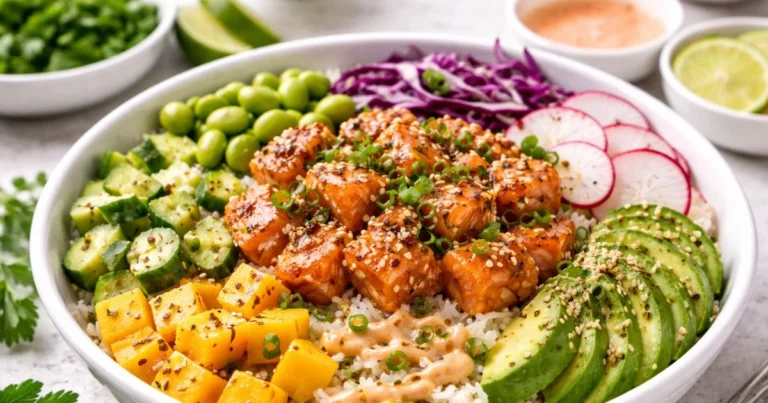
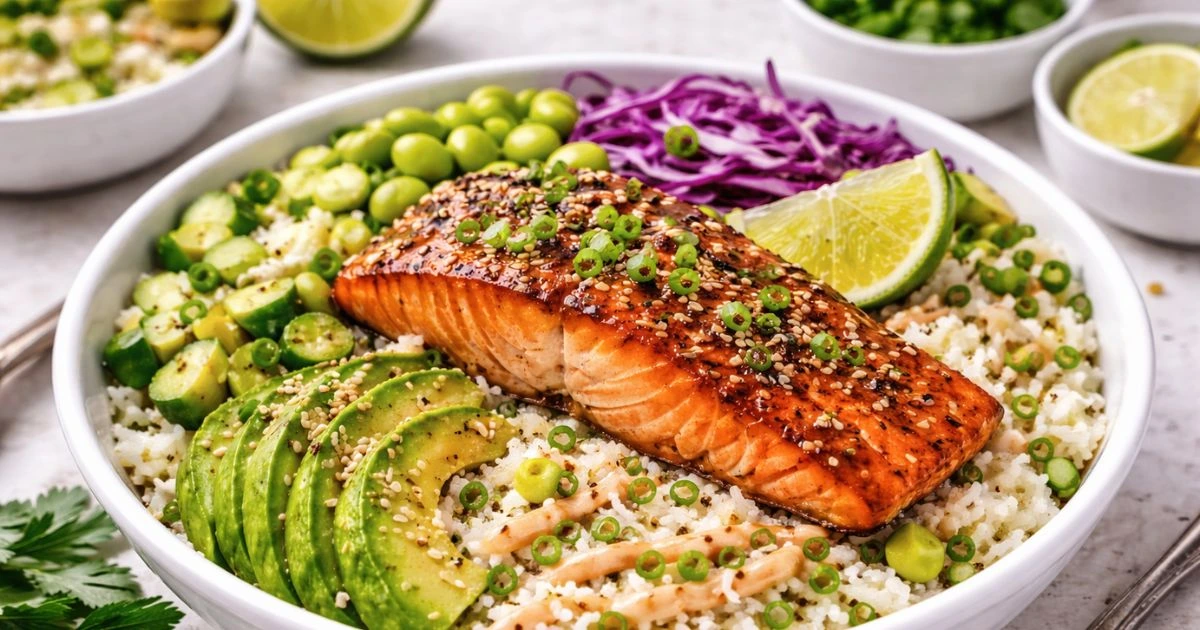
8 Easy Salmon Rice Bowl Recipe Ideas
Table of Contents
Ever felt that quiet relief when dinner is ready faster than you thought? A warm bowl of salmon, rice, and crisp veggies can be a kind act to yourself after a long day. This guide will show you how to make a delicious salmon rice bowl that’s easy for weeknights but feels like a restaurant meal.

You’ll find eight easy recipes here: a spicy Sriracha twist, a sticky teriyaki glaze, and more. Each recipe includes ingredient swaps for wild-caught or farmed salmon, different types of rice, and gluten-free sauces. This way, you can make it your own, no matter your taste or dietary needs.
Salmon rice bowls are packed with protein and omega-3s, along with complex carbs and veggies for a balanced meal. Whether you’re new to cooking or always on the go, these steps and tips will help you make a tasty salmon rice bowl any night.
Key Takeaways
- Salmon rice bowl recipe offers a balanced, high-protein meal rich in omega-3s.
- Eight easy salmon rice bowl ideas cover spicy, teriyaki, garlic butter, and quick options.
- Recipes use accessible ingredients with substitutions for dietary preferences.
- Suitable for beginners and busy cooks aiming for restaurant-quality results at home.
- Includes meal-prep, storage, and reheating tips to save time during the week.
Why This Salmon Rice Bowl Recipe Is So Popular
This dish is a hit on weeknights because it’s both practical and nutritious. It combines flaky salmon, warm rice, and crisp veggies for a great taste and texture. People love making it because it uses common ingredients and can be made with what’s in season.
Quick and Balanced Meal
Salmon cooks fast, in 6–10 minutes to sear or 12–18 minutes to bake. This makes it perfect for busy nights. You can have a delicious meal ready in no time.
The dish is well-balanced. Salmon offers protein and omega-3s. Rice gives you carbs for energy. Add cucumber, avocado, edamame, or pickled carrots for fiber and vitamins.
This mix keeps you full but not heavy. Salmon’s vitamin D and healthy fats boost your health. The rice and veggies complete the meal.
Perfect for Meal Prep
Salmon rice bowls are great for taking to work or school. Cook rice and salmon in bulk, then store them in airtight containers. Keep sauces and toppings separate to keep everything fresh.
For meal prep, portion cooked rice and salmon into containers. Wrap salmon tightly and store it in the fridge for up to 3 days. Rice lasts 3–4 days when stored right.
Remember to refrigerate cooked fish within two hours to stay safe. These steps make meal prep easy for quick lunches and dinners.
| Feature | Why It Matters | Practical Tip |
|---|---|---|
| Cooking Time | Short cook times keep texture and flavor | Sear fillets 6–10 minutes or bake 12–18 minutes |
| Nutrition | Balanced protein, carbs, and healthy fats | Combine salmon with brown rice and veggies |
| Meal Prep | Components store and reheat well | Store sauces separately; pack delicate toppings last |
| Shelf Life | Safe consumption window in fridge | Eat salmon within 3 days; rice within 3–4 days |
| Versatility | Fits many flavor profiles and diets | Swap toppings to make a healthy salmon rice bowl or try a quick salmon rice bowl recipe for weeknights |
Ingredients for the Best Salmon Rice Bowl Recipe
Start with quality ingredients for a memorable bowl. The right salmon, rice, and toppings shape texture and flavor. Use this guide to pick what works for your homemade salmon rice bowl and to keep an easy salmon rice bowl within reach on weeknights.
Choosing Fresh Salmon
Look for firm flesh that springs back when pressed and a bright, natural color. Fresh ocean scent beats any strong “fishy” odor. In U.S. markets, wild-caught sockeye or coho bring bold flavor. Atlantic farmed salmon yields a milder, more consistent option that suits picky diners.
Frozen fillets can be reliable. Buy sashimi-grade if you plan to serve raw or poke-style. Thaw safely in the refrigerator overnight. Check labels for sustainable sourcing like MSC or NOAA guidance when possible. Brands such as Vital Choice and Alaska Gold standard their sourcing and can be easier to trust at a glance.
Best Rice Options
Rice choice guides the bowl’s mouthfeel. Short-grain sushi rice or Japanese rice becomes sticky, ideal for poke-style or teriyaki bowls. Jasmine rice provides fragrant, separate grains that pair well with spicy or garlic butter toppings.
For higher fiber, use brown rice or swap in quinoa. Basic cooking ratios help: white rice 1:1.25–1.5 (rice:water) simmer 15–20 minutes. Brown rice 1:2 simmer 35–45 minutes. Rinse sushi rice and follow package instructions for the best sticky texture.
Flavorful Toppings and Sauces
Build contrast with toppings. Avocado, cucumber, shredded carrots, scallions, sesame seeds, nori strips, radishes, pickled ginger, kimchi, and edamame all add color and bite. Mix and match to suit your mood.
Sauces finish the bowl and balance umami, acid, heat, and fat. Keep pantry staples like rice vinegar, sesame oil, mirin, honey, and Sriracha on hand to make quick dressings. Favorites include soy sauce, tamari for gluten-free bowls, teriyaki glaze, Sriracha mayo, ponzu, sesame dressing, garlic butter, and citrus vinaigrettes.
To build a balanced homemade salmon rice bowl, combine a savory base, a bright acid, a creamy fat, and a spicy element. That simple framework keeps your easy salmon rice bowl tasting fresh every time.
How to Make Salmon Rice Bowl Recipe
Plan ahead to make your bowl fast and fresh. Here are two ways to cook salmon and a guide to make a balanced bowl. It’s great for meal prep or a quick dinner.
Pan-Seared Salmon Method
Pat a 4–6 oz fillet dry with paper towels. Season with salt and pepper or your favorite spice rub. Heat a heavy skillet, cast-iron preferred, with 1–2 tablespoons of neutral oil until it shimmers.
Place the fillet skin-side down and press lightly for 10–15 seconds to prevent curling. Cook 4–6 minutes on the skin side without moving the fish. Flip and cook 1–3 minutes more for medium-rare, until the internal temperature reads 125–130°F. For fully cooked salmon follow USDA guidance to 145°F.
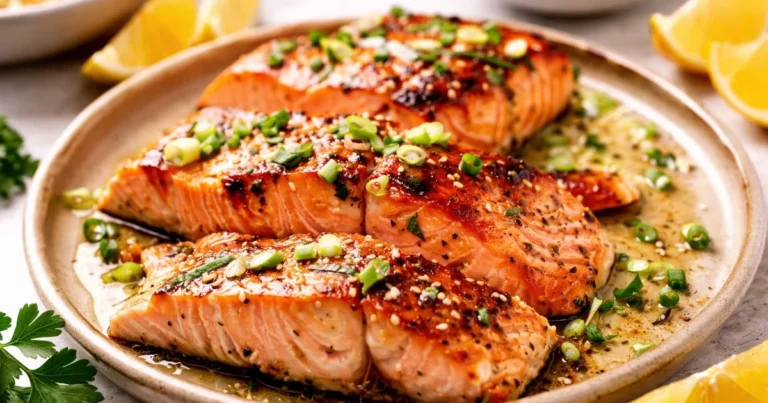
Finish with a knob of butter, a squeeze of lemon, or a clove of smashed garlic in the pan to glaze the fillet. This simple technique creates a crisp skin and moist interior, perfect for an easy salmon rice bowl.
Baking the Salmon
Preheat the oven to 400°F. Line a sheet pan with parchment and place the seasoned or marinated fillets on it. Brush with teriyaki, miso, or olive oil mixed with herbs for extra flavor.
Bake 12–18 minutes depending on thickness, until the flesh flakes and reaches 125–145°F. For a moister finish, wrap the fillet in foil as a packet and bake. If you used a glaze, broil 1–2 minutes at the end to caramelize the top.
This method is hands-off and scales well when you need a quick salmon rice bowl recipe for several servings.
Assembling the Bowl
Layer about 3/4–1 cup of warm cooked rice as the base. Add a 4–6 oz portion of cooked salmon. Arrange toppings in sections so the bowl looks bright and balanced.
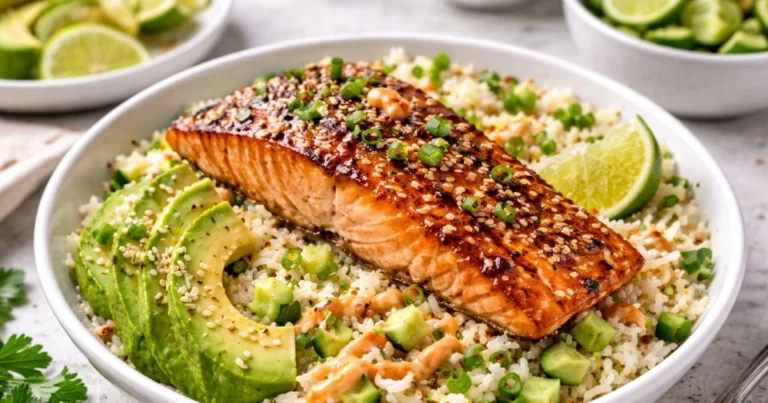
Choose textures like creamy avocado, crunchy cucumber, pickled veggies, and edamame. Drizzle sauce over the top or serve it on the side. Finish with toasted sesame seeds, chopped scallions, nori strips, and a squeeze of lime or a drizzle of Sriracha mayo.
For meal-prep containers keep sauce separate to avoid soggy rice. Place sturdy veggies below delicate items and pack avocado or soft toppings last. These simple steps turn a quick salmon rice bowl recipe into a meal that stays fresh and appealing all week.
Flavor Variations for Salmon Rice Bowl Recipe
Try three easy ways to spice up your salmon rice bowl. Each method uses common ingredients to change the dish’s taste. Choose one to satisfy your taste buds or mix them up for a different flavor each day.
Spicy Sriracha Version
Make a spicy mayo by mixing Sriracha with mayonnaise and a bit of lime or rice vinegar. Coat cooked salmon with a sauce of soy, honey, Sriracha, and sesame oil for a kick.
Add pickled cucumbers, green onions, sesame seeds, and a soft egg for a nice contrast. For less heat, use less Sriracha and more honey. Try gochujang for a richer Korean taste.
Teriyaki Glaze Style
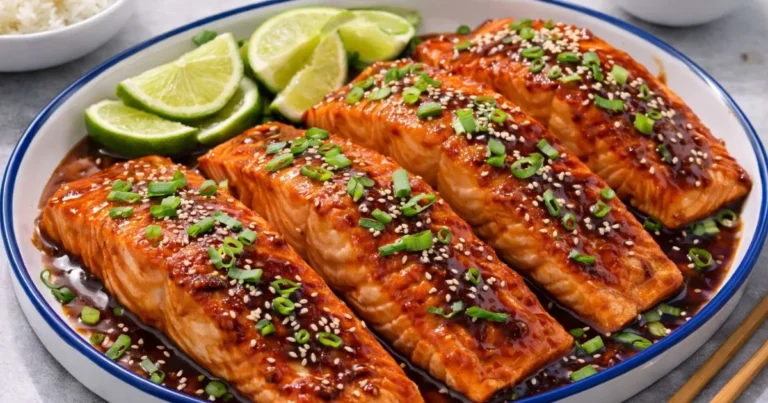
Make a glaze by heating soy sauce, mirin or rice vinegar, sake (if using), brown sugar or honey, and cornstarch until it’s smooth. Brush it on the salmon during the last cooking minutes or use it as a drizzle.
Enjoy it over sushi rice with steamed broccoli, carrot, and pickled ginger for a well-rounded meal. Use Kikkoman or San-J for a quick, flavorful shortcut.
Garlic Butter Twist
Heat butter with minced garlic until it smells great. Spread it over salmon, then add lemon zest. This rich butter makes the fish taste like home.
Pair it with jasmine rice, blanched asparagus or green beans, and parsley or dill for a fresh touch. For a lighter option, sauté garlic in olive oil with lemon for similar taste with less fat.
Healthy Add-Ons for Salmon Rice Bowl Recipe
Add-ons can turn a simple salmon rice bowl into a balanced, flavorful meal. Pick toppings that add texture, color, and nutrients. This way, you’ll have a healthy salmon rice bowl you’ll love to make every week.
Avocado and Cucumber
Avocado adds creamy texture and healthy fats to your bowl. Slice or cube it and toss with lemon juice or rice vinegar. This slows browning and brightens the flavor.
Cucumber adds crispness and water without many calories. Thin slices are great raw. For extra crunch, make a quick pickle. Mix rice vinegar, sugar, and salt, then let cucumber sit for 10–30 minutes.
Together, avocado and cucumber contrast the warm rice and rich fish. This makes your homemade salmon rice bowl feel fresh and light.
Edamame and Pickled Vegetables
Edamame adds plant-based protein and fiber. This supports fullness and digestion. Steam shelled frozen edamame briefly, then season with sea salt.
Quick pickles for carrots, daikon, or red onion add tang and crunch. Mix rice vinegar, water, sugar, and salt, then pour over sliced veggies. Let it sit at least 30 minutes. Overnight is even better for flavor.
Pair edamame and pickled vegetables with salmon for acidity and texture. This balance cuts through richness. It makes an easy salmon rice bowl more complex and satisfying.
Quick Salmon Rice Bowl Recipe Ideas for Busy Weeknights
You need fast dinners that still taste fresh and wholesome. These quick salmon rice bowl recipe ideas cut prep time. They use pantry staples or one-pan methods so you can eat well on tight evenings. Pick a pantry-friendly bowl when time is shortest or a one-pan salmon and veggie bowl when you want hot roasted veggies with minimal cleanup.

15-Minute Pantry-Friendly Bowls
Use pre-cooked microwavable rice and a pouch or canned wild Alaskan pink salmon to speed things up. Flake the salmon and toss with lemon, olive oil, salt, and chopped dill or parsley.
Top with canned corn, pre-shredded carrots, jarred pickles, scallions, and a drizzle of ponzu or soy sauce. Heat the rice, warm the salmon for a minute in the microwave, assemble, and drizzle sauce. You’ll have an easy salmon rice bowl in roughly 15 minutes.
One-Pan Salmon and Veggie Bowls
Choose sheet-pan or skillet methods to save time on washing dishes. Roast salmon fillets on a sheet pan with broccoli, bell peppers, and snap peas at 400°F for 12–15 minutes. Toss with a quick soy-sesame or lemon-garlic butter finish.
If you use a skillet, sear the salmon skin-side down, then push it to one side and sauté quick-cooking vegetables on the other. Time your rice so the grains finish as the salmon rests. Serve over quick-cook rice or cauliflower rice for a simple salmon rice bowl recipe that stays light.
| Approach | Main Ingredients | Time | Best Sauce |
|---|---|---|---|
| Pantry-Friendly Bowl | Microwavable rice, canned wild Alaskan pink salmon, canned corn, scallions | ~15 minutes | Ponzu or bottled soy |
| Sheet-Pan Roast | Fresh salmon fillets, broccoli, bell peppers, snap peas | 12–15 minutes roast + rice time | Soy-sesame glaze |
| Skillet One-Pan | Salmon fillet, quick-cook veggies, garlic, lemon | 10–15 minutes | Lemon-garlic butter |
| Low-Carb Option | Cauliflower rice, seared salmon, avocado, sesame seeds | 10–15 minutes | Soy or tahini drizzle |
Simple Salmon Rice Bowl Recipe for Beginners
Start with a clear plan and simple steps to build confidence in the kitchen. This guide helps you make an easy salmon rice bowl that tastes fresh and balanced. Follow the order below, practice safe knife and stove habits, and you will be serving a homemade salmon rice bowl in no time.
Step-by-Step Cooking Tips
1) Begin the rice first so it has time to cook and rest. Use a tight lid and let it steam off heat for a few minutes after cooking.
2) While the rice cooks, prep toppings and sauces. Chop cucumbers, slice avocado, and whisk a quick soy, rice vinegar, and sesame oil dressing.
3) Pat salmon fillets dry with paper towels. Season simply with salt and pepper for a clean flavor.
4) Cook the salmon by pan-searing or baking using temperatures and times from earlier guidance. For pan-searing, preheat a skillet until shimmering. For baking, set the oven to 400°F.
5) Let salmon rest 2–3 minutes after cooking so juices redistribute. Use a meat thermometer to check doneness; remove when the internal temp reads just shy of your target.
6) Assemble the bowl with rice first, then salmon and toppings. Finish with sauce just before serving to avoid soggy rice.
Keep knife-safety basics in mind: curl your fingertips, use a stable cutting board, and cut away from your body. When checking salmon, insert the thermometer into the thickest part, not the skin.
Common Mistakes to Avoid
Overcooking salmon dries it out. Use a thermometer and pull the fish from heat a few degrees below the final temp so it finishes while resting.
Overcrowding the pan prevents a good sear. Cook in batches if needed to maintain high heat contact for crisp edges.
Soggy rice often comes from hot fish or sauce placed on warm rice. Cool the rice slightly or add sauce at the table to keep grains fluffy.
Under-seasoning both rice and salmon makes the bowl bland. Season rice lightly during cooking and taste sauces, adjusting salt and acid for balance.
For sauces, always taste and tweak. If a sauce seems flat, brighten with a splash of lemon or a pinch more salt, and add a touch of sweetness if it is too sharp.
Homemade Salmon Rice Bowl Meal Prep and Shopping List
Plan your week for a stress-free healthy salmon rice bowl. A quick shopping trip and batch cooking make it easy. Here’s a simple shopping list and tips for keeping flavors and textures fresh.

Weekly Shopping Staples
Get fresh or frozen salmon fillets in portions for meals. Look for brands like Alaska or Sitka for better quality. Choose Kikkoman soy sauce and Lundberg rice for the best taste.
Stock up on rice vinegar, sesame oil, Sriracha, and mayonnaise. Don’t forget olive oil, butter, and cornstarch. Add avocados, cucumbers, edamame, carrots, scallions, lemons, and nori sheets for garnish.
Batch Cooking and Portioning Tips
Cook rice in a rice cooker and keep it warm. Bake salmon fillets at 400°F for even cooking. Cool rice and salmon before sealing to avoid sogginess.
For portions, use 3/4–1 cup cooked rice and 4–6 oz cooked salmon per person. Use BPA-free containers or glass Pyrex to keep things separate. Label each container with the date.
Freeze cooked salmon in airtight containers for up to 1–2 months. Note that texture may change, so use it in sauced bowls or reheat gently.
Storage and Reheating Tips
To keep your salmon rice bowl fresh, follow simple storage and reheating tips. Proper handling helps keep the texture and flavor of your simple salmon rice bowl recipe. This is important for meal prep or leftovers.
Proper Storage
Store salmon rice bowls in airtight containers. Refrigerate them within two hours of cooking. This limits bacterial growth and keeps the fish and rice safe.
For eating over several days, separate the salmon and rice. This way, the rice stays fluffier and the salmon keeps its texture better.
Follow USDA guidelines. Cooked fish and rice should be eaten within 3–4 days. For longer storage, freeze them separately. Use freezer-safe containers or vacuum bags. Label with the date and use within 1–2 months for the best quality.
How to Reheat Without Drying
Reheating slowly with moisture prevents drying. Choose a method based on your time and equipment.
- Oven method: Preheat to 275–300°F. Place salmon in a covered dish with a splash of water or low-sodium broth. Heat 10–15 minutes until warmed through.
- Stovetop: Warm a skillet over low heat. Add a pat of butter or a teaspoon of oil and a splash of water. Cover the pan to trap steam. Turn gently until heated.
- Microwave: Use a microwave-safe covered dish. Add a damp paper towel or a tablespoon of water. Reheat at 50–70% power in 30–45 second increments to avoid overcooking.
Reheat rice separately for best results. Sprinkle a little water over rice and cover before microwaving, or use your rice cooker’s reheat/warm setting to steam it back to life.
Add fresh toppings after reheating. Sliced avocado, sesame seeds, scallions, or a squeeze of lemon revive texture and brighten flavor in your salmon rice bowl recipe.
| Method | Time | Moisture Tip | Best For |
|---|---|---|---|
| Oven | 10–15 minutes at 275–300°F | Cover dish; add splash of broth or water | Even heating for larger portions |
| Stovetop | 5–8 minutes on low | Pat of butter or oil plus a splash of water; cover | Quick reheats with controlled moisture |
| Microwave | 30–45 sec increments at 50–70% power | Damp paper towel or tablespoon of water; covered | Fast single servings |
| Freezer Storage | 1–2 months best quality | Freeze components separately in vacuum bags or airtight containers | Long-term meal prep |
Conclusion
You can make a simple salmon rice bowl at home with just a few ingredients. Use fresh salmon and your favorite rice. Then, pan-sear or bake the fish for a tasty meal.
This method is great for busy weeknights. It’s easy and always works.
The guide also showed how to add flavor with sauces and toppings. Try Sriracha, teriyaki glaze, or garlic butter for a delicious bowl. You can change the rice, sauce, and cooking time to make it your own.
Follow the shopping and prep tips to make it easier. Buy staples, cook rice and salmon in bulk, and portion bowls for quick reheats. Choose one of the eight recipe ideas and add your favorite toppings. You’ll have a tasty salmon rice bowl ready whenever you want.
FAQ
What makes these salmon rice bowl recipes healthy and balanced?
Salmon rice bowls are healthy because they mix protein and omega-3s from salmon with carbs from rice. They also add fiber and vitamins from veggies like cucumber and avocado. This mix keeps you full and supports your heart and brain.Choosing brown rice or adding more veggies boosts fiber and nutrients. This makes the bowl even healthier.
Which type of salmon should I buy for the best flavor and consistency?
For a stronger flavor, pick wild-caught sockeye or coho. Atlantic farmed salmon is milder and easier to find. Frozen fillets are a good choice, but make sure they’re sashimi-grade if you’ll be eating them raw.Look for firm flesh, bright color, and a fresh smell. Also, choose sustainable options like MSC or NOAA labels when you can.
What rice is best for a salmon rice bowl?
Short-grain or sushi rice is great for poke-style or teriyaki bowls because it’s sticky. Jasmine rice is good for spicy or garlic-butter bowls because it’s fragrant and separate. Brown rice or quinoa adds more fiber for a healthier bowl.Use the right water ratio: white rice 1:1.25–1.5, brown rice 1:2. Follow package instructions for sushi rice.
How long does cooked salmon and rice keep in the refrigerator?
Store cooked salmon and rice in airtight containers in the fridge within two hours. Cooked salmon lasts 3 days, and rice lasts 3–4 days if stored right. Keep sauces and toppings separate to keep everything fresh.
What’s the quickest way to make a salmon rice bowl on a weeknight?
Use pre-cooked rice or a rice cooker’s quick setting. Choose easy salmon like canned or pouch wild Alaskan salmon. Heat or flake the salmon and add quick toppings like shredded carrots and jarred pickles.Drizzle with bottled sauce like ponzu or soy. You can make it in about 15 minutes.
How do I pan-sear salmon so it stays moist?
Pat the fillet dry and season with salt and pepper. Heat a heavy skillet with 1–2 tablespoons of oil until it shimmers. Place the salmon skin-side down and press lightly to prevent curling.Cook 4–6 minutes skin-side, flip, then cook 1–3 minutes more until it reaches 125–130°F for medium-rare or 145°F for fully cooked. Finish with butter, lemon, or garlic for extra moisture and flavor.
Can I make these bowls gluten-free or lower in sodium?
Yes. Use tamari instead of regular soy sauce for gluten-free. Lower sodium by using low-sodium soy sauce or diluted ponzu. Add more acid and umami with rice vinegar, lime, and a bit of miso or toasted sesame oil.Choose low-sodium pantry items and adjust the sauce’s flavor before serving.
What toppings and sauces work best with salmon rice bowls?
Top with avocado, cucumber, shredded carrots, scallions, and sesame seeds. Nori strips, pickled veggies, edamame, and a soft-cooked egg are also great. Teriyaki glaze, Sriracha mayo, ponzu, and sesame dressing are good sauces.Balance umami, acid, fat, and heat for the best taste.
How should I reheat salmon rice bowls without drying the fish?
Reheat gently. Oven method: preheat to 275–300°F, place salmon in a covered dish with a splash of water or broth, and heat 10–15 minutes. Stovetop: warm over low heat with butter or oil and a splash of water, covered.Microwave: use 50–70% power in 30–45 second increments with a damp paper towel on top. Reheat rice separately with a sprinkle of water to steam, and add fresh toppings after reheating.
Are there easy meal-prep strategies for making salmon rice bowls for the week?
Yes. Batch-cook rice in a rice cooker and keep it on warm or cool and refrigerate. Oven-bake several salmon fillets on sheet pans at once and portion them into airtight containers. Store sauces and delicate toppings like avocado separately.Portion guideline: about 3/4–1 cup cooked rice and 4–6 ounces cooked salmon per adult serving. Freeze cooked salmon or rice separately for 1–2 months if needed.
What are common beginner mistakes and how do I avoid them?
Common errors include overcooking salmon, overcrowding the pan, and soggy rice. Use a meat thermometer to avoid overcooking, give salmon space in the pan, and keep sauces separate until serving.Season each component, and taste your sauces for the right balance of salt, acid, and sweetness.
Can I substitute other grains or make a low-carb salmon rice bowl?
Absolutely. Swap rice for quinoa, cauliflower rice, or farro for different textures and nutrition. Cauliflower rice reduces carbs and reheats quickly. Quinoa adds plant protein and fiber.Adjust cooking and portioning so your salmon and grain finish around the same time. Pair with complementary toppings and sauces.
Love This Recipe? Leave a Review!
There are no reviews yet. Be the first one to write one.