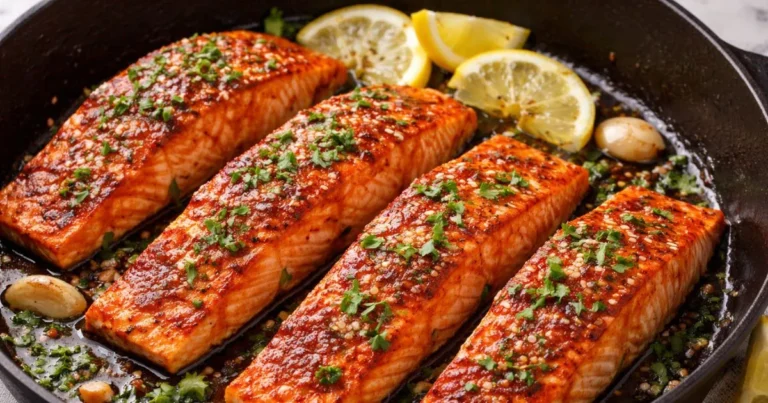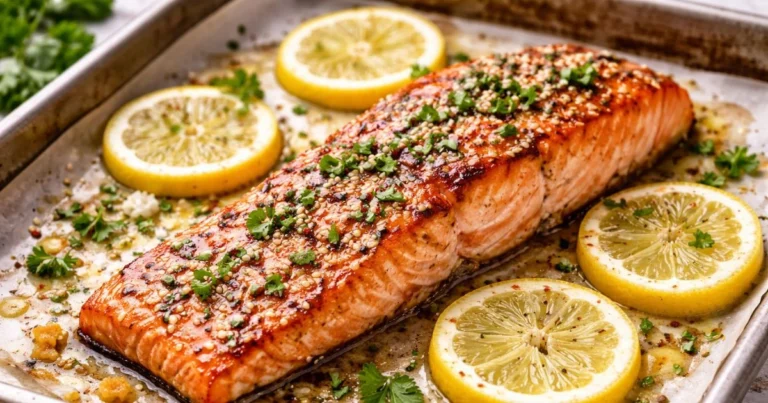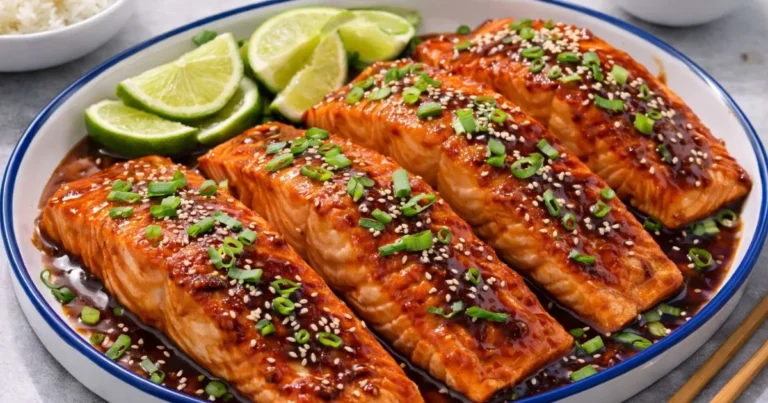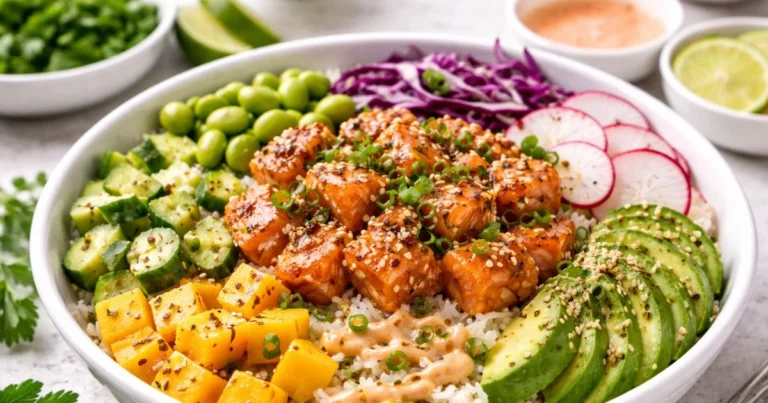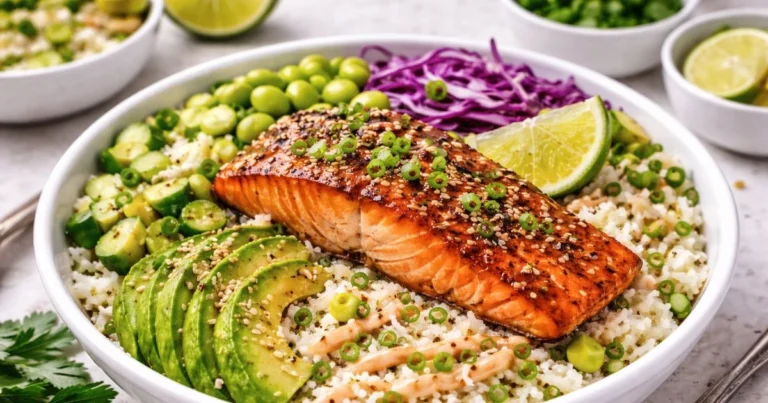
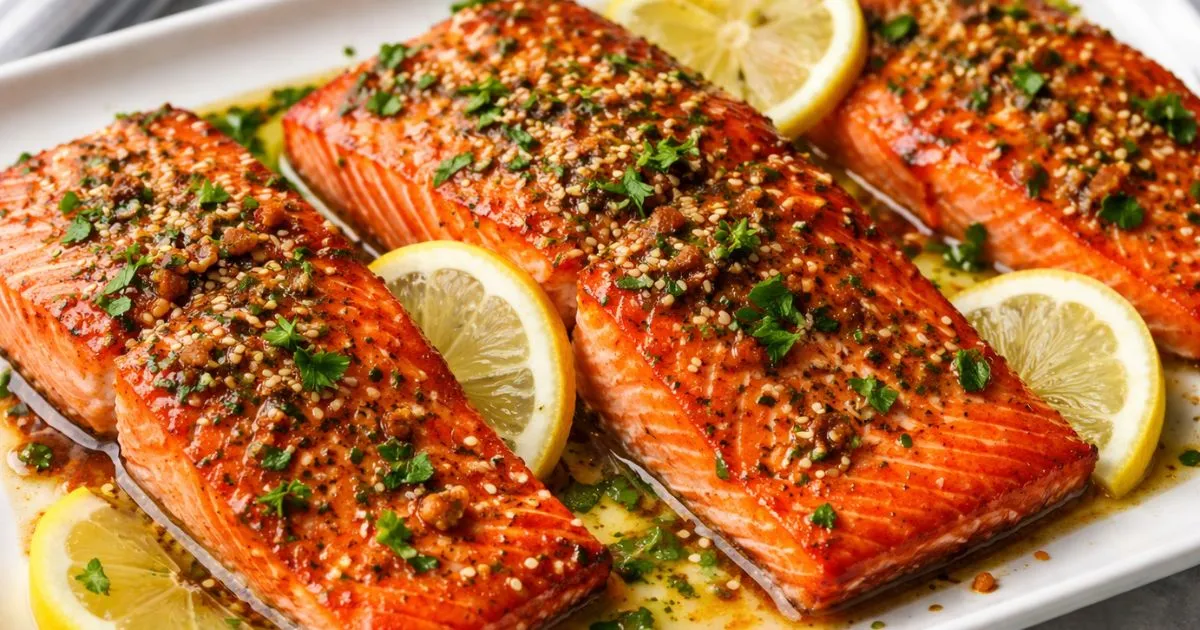
Sockeye Salmon Recipe: 7 Easy and Healthy Ways to Cook It
Table of Contents
You know that feeling when a weeknight dinner needs to be both fast and memorable? This approachable sockeye salmon recipe promises restaurant-level flavor with minimal effort, so you can relax and enjoy the meal you deserve.
The fish is wild Pacific red fish with a bold, meaty taste and lean flesh. As it cooks the deep red shifts to a lighter pink—don’t mistake that rich color for rawness.
You’ll get three simple methods: oven, pan, and grill. Pick the one that fits your schedule, tools, and weather. Timing matters more than heavy marinades because this fish is lean and cooks quickly.
Healthy and simple: high-protein, clean seasonings, and a few optional flavor boosters make this a weeknight winner. Key success steps you’ll see again: pat the fillets dry, use high heat, and keep the cooking time short to avoid overcooking.

Key Takeaways
- Fast, restaurant-quality dinner for busy weeknights.
- Three cooking options: oven, pan, grill to match your needs.
- Lean flesh—timing beats heavy marinades.
- Watch the color change from red to pink as it cooks.
- Pat dry, use high heat, and don’t overcook for best results.
Meta Description
Discover quick, juicy results with simple methods and clear doneness tips.
Meta description (under 155 characters):
Discover an easy sockeye salmon recipe with oven, pan-seared, and grilled options for fast, juicy, flavorful fillets plus doneness tips to avoid dryness.
- Includes three methods: oven, pan-seared, grilled.
- Promises fast, juicy, flavorful results.
- Offers practical doneness tips to prevent overcooking.
| Method | Time | Key Tip |
|---|---|---|
| Oven | 8–12 minutes | High heat, short bake to preserve moisture |
| Pan-seared | 4–6 minutes per side | Dry fillet, hot pan, sear once for crisp edges |
| Grilled | 6–10 minutes | Two-zone heat and quick flip if needed |
Introduction to This Sockeye Salmon Recipe
Weeknight dinners get easier when the main takes under 12 minutes to cook and still tastes like a chef made it. This sockeye salmon recipe is built for speed, bold flavor, and simple sides you can toss together in the same time window.
Why this fish works for busy nights
This fish cooks quickly, pairs well with quick starches and steamed greens, and rarely needs heavy sauces. High heat and short sear times lock in moisture and keep the wild flavor front and center.
What you’ll learn
- Timing: realistic cook windows — usually 7–12 minutes depending on thickness.
- Doneness checks: flake test and thickest-part probe for reliable results.
- Heat management: cast-iron or hot pan techniques to get a crisp exterior fast.
- Moisture protection: pat dry, brief sear, rest, or finish with a quick butter baste.
Common mistake: overcooking. Look for dry texture and white albumin on the surface — those are signs to stop cooking.
Below you’ll find a clear road map: ingredients, tools, step-by-step methods (baked, pan, grilled), troubleshooting tips, storage, and FAQs. Keep flavors simple so the bold, wild character of the fish shines through.
Next up
Now that you know what you’ll learn, let’s explain what this fish actually is and how its traits affect cooking.
What Is Sockeye Salmon?
You’ll notice this Pacific variety for its deep red flesh and assertive, meaty flavor that stands up to simple seasonings.
Wild Pacific origin and flavor
Sockeye salmon comes from wild Pacific runs and tastes bolder than milder types. You get a firm bite and rich umami notes that pair well with light citrus or herbs.
Leaner flesh and cooking pace
This fish is leaner than king and other fattier cuts, so it dries faster if you overcook it. Keep cook times short and use high heat to seal the exterior while preserving moisture.
Color cues as a doneness point
Raw fillets show deep red that shifts to pink as you cook. Even when done, the meat can retain a rich hue—trust texture and the flake test more than color alone.
Buying smart and sustainability
Look for wild-caught labeling, firm flesh, and a fresh smell at reputable U.S. markets. Alaska and Copper River runs are often highlighted for quality.
- Check for wild salmon labeling and ask your fishmonger about source.
- Choose firms that follow sustainable harvests to support long-term stocks.
- Fresh or properly thawed frozen fillets both work—thaw in the fridge overnight.
Point to remember: because this fish is flavorful, you don’t need a long ingredient list to make great dishes. Up next: the simple ingredients that let the natural taste shine.
Ingredients for an Easy Salmon Recipe You’ll Make on Repeat
Start with a short, focused ingredient list so you can cook great fillets without fuss.
Core pantry items
What you must have: two salmon fillets, a pinch of salt and pepper, and a cooking fat. These few items cover oven, pan, or grill methods.
Choose your flavor path
- Citrus-herb: minced garlic, fresh herbs (thyme, rosemary, parsley), and lemon for a bright finish.
- Mustard-honey: Dijon mustard and honey for a bold, slightly sweet glaze that grills well.
- Smoky rub: smoked paprika, garlic powder, onion powder, salt, and pepper for pan-seared crispness.
Oils, add-ins, and finishing touches
Use extra-virgin olive oil for baking and a high-heat oil (avocado or vegetable) for searing. Add capers as an optional briny accent or finish with lemon juice and herbs instead of a heavy sauce.
Simple pantry spice blend: 1 teaspoon smoked paprika, 1/2 teaspoon garlic powder, 1/2 teaspoon onion powder, salt, and pepper. Now move on to tools and prep—technique matters more than extra ingredients for this lean fish.
Tools and Prep That Make Cooking Sockeye Salmon Foolproof
With the right pan and a short prep list, you’ll get consistent, restaurant-style sears at home.
Why cast iron works and how to handle it
Cast iron holds even heat and gives a strong sear without fuss. Heat the pan until it’s shimmering before you add oil—this locks in a crisp crust.
Safety: cast-iron handles become very hot. Always use an oven mitt or handle cover when you move the pan.
Skin on vs. skin off — practical guidance
Keep the skin on when you can. Salmon skin buffers the flesh from direct heat and helps prevent sticking. Start skin side down to get a crisp finish and easier flipping.
Quick prep checklist
Pat fillets dry with paper towels so they sear instead of steam.
Remove pin bones with tweezers—one quick pass makes eating far more pleasant.
Portion pieces to similar sizes so cooking time stays consistent. Set the fish out briefly so it isn’t ice-cold in the center before you place salmon in the hot pan.
“Simple tools and tidy prep remove the guesswork and cut your cook time.”
Next, move to the pan method to learn sear timing and doneness cues.
Step-by-Step Instructions for the Best Sockeye Salmon Recipe
A quick, confident start—dry the fish, season lightly, and heat the pan—makes all the difference.
Season simply
- Pat the fillets dry. Sprinkle salt and pepper evenly. Add a touch of minced garlic or chopped herbs if you like. Keep seasoning light so the wild flavor stays front and center.
Preheat the pan
- Use a heavy pan and heat to medium-high. Add a high-heat oil and wait until it shimmers. A properly hot pan gives an instant sear and helps the fish release cleanly.
Sear timing and doneness
- Place salmon skin side down and press briefly so it makes full contact. For 5–6 oz fillets, sear ~2 minutes, then flip and cook 4–5 more minutes depending on thickness.
- Look for opaque edges, a center that just sets, and flakes that start to separate. White albumin is a sign you’re overcooking—stop a touch early to stay juicy.
Finish and rest
- Finish with a squeeze of lemon and scatter fresh herbs. Optionally, baste quickly with garlic-butter for extra richness.
- Remove from the pan and rest 2 minutes before you serve. Resting helps juices redistribute so the dish stays moist.

Tip: adjust total cook time a minute up or down based on fillet thickness.
Cooking Tips for Perfect Sockeye Salmon Every Time
A few simple checks will help you hit perfect doneness every time. Follow timing cues and visual checks so you avoid overcooking this lean, flavorful fish.
Don’t overcook — why quick methods work
The flesh is lean, so high heat for short periods preserves moisture better than low-and-slow. Expect done fish in about 7–12 minutes depending on thickness.
How to spot overcooking
Watch for white albumin on the surface — that protein squeezes out when the fish cooks too long. Excess albumin and a dry texture mean you’ve passed the ideal point.
How to check doneness
Use the flake test: press gently with a fork and watch for flakes that separate but still show slight translucency in the center. Also peek at the thickest part with a knife to confirm.
Flip or don’t flip
In a hot cast-iron pan you often cook through skin side down without flipping. Flip only if you want crisp skin or even browning across the top.
Moisture insurance
Finish by basting with a pat of butter and herbs for 30–60 seconds, or move the fillet to a cooler zone to finish gently. These steps add flavor and protect juiciness.
Tip: watch the thickest point, not the clock alone — that’s the most reliable doneness cue.
Baked Sockeye Salmon for a Hands-Off Dinner
For a no-fuss dinner, roast the fillet at high heat and let the oven do the work.
Herb-garlic-caper citrus crust: mix minced garlic, chopped herbs, chopped capers, a splash of orange or lemon juice, and a drizzle of olive oil. Spread this on top of fillets so the topping sticks and browns.
Oven temp and timing
Preheat the oven to 450°F. Place salmon on a parchment-lined sheet and bake about 10–12 minutes depending on thickness.
Start checking at the 8–9 minute mark. If not done, add 2-minute increments only until the thickest part flakes and feels moist.
How to avoid dryness
Because wild sockeye salmon is lean, keep the bake time short and use high heat to set the crust. Remember that the flesh can stay bright red even when fully cooked.
“Short, hot baking and a light herb crust give bold flavor with almost no hands-on time.”
| Method | Temp | Time (minutes) |
|---|---|---|
| Baked, parchment | 450°F | 8–12 |
| Finish option | Broil briefly | 30–60 seconds |
| Hands-off sauce | N/A | Lemon-herb drizzle |
Keep it simple: serve with a quick lemon-herb drizzle if you want extra richness, or move to the pan-sear section for crisp skin and caramelized edges.
Pan-Seared Sockeye Salmon for Crispy Edges
Pan-searing concentrates flavor quickly, giving you crisp edges and a juicy center in under ten minutes.

Smoky spice-rub: mix 1 teaspoon kosher salt, 1/2 teaspoon black pepper, 1 teaspoon smoked paprika, 1/2 teaspoon garlic powder, and 1/2 teaspoon onion powder. Rub lightly and finish with a squeeze of lemon before serving.
Best practice for crispy skin and a tender center
Dry the salmon skin well with paper towels. Preheat a cast iron pan to medium-high so it is very hot before you add oil.
Use skin side down first and press gently to make full contact. Cook about 3 minutes skin-side down, then flip and finish 2–3 more minutes depending on thickness. Pull earlier rather than later to avoid overcooking and albumin buildup.
Butter, ghee, or high-heat oil: what to use and why
Start with a high-heat oil (avocado or vegetable) for sear stability. For flavor, add a pat of butter or a teaspoon of ghee in the last 30–60 seconds to baste.
- If the fish sticks, give it another 30–60 seconds—pan contact often helps it release naturally.
- Finish with lemon and a grind of fresh pepper for brightness.
Tip: this pan method gives the fastest route to crisp skin and deep flavor; next, try grilling for a smokier result.
Grilled Sockeye Salmon for a Smoky, Campfire-Style Flavor
A cast-iron pan placed on your grill turns backyard heat into an instant sear station.
Two-zone fire: bank coals to one side so you have a hot zone and a cooler zone. Set the cast iron on the cooler side to avoid flare-ups and to finish gently.
Keep the skin on as a buffer. Start with skin side down to get a crisp base and to help prevent sticking.
Mustard-honey-herb baste
Mix Dijon mustard, honey, chopped thyme and rosemary, and a bit of butter. Brush during the last 6–8 minutes of cooking to build a sweet-tang glaze that complements wild salmon’s bold taste.
Timing and doneness cues
- Cook about 8–10 minutes total, moving between hot and cooler zones as needed.
- Baste every 2 minutes in the finish phase to lock in moisture.
- Pull when the thickest part flakes easily but still shows slight translucency.
Safety tip: use gloves and long-handled tools for the hot cast iron on the grill.
| Setup | Where to place pan | Cook time |
|---|---|---|
| Two-zone charcoal | Cooler side, near hot coals | 8–10 minutes |
| Baste | Brush with mustard-honey-herb butter | Baste every 2 minutes |
| Finish | Check thickest part for flake | Pull when moist |
Once rested, serve with a lemon wedge and simple sides for a true campfire-style dinner.
Serving Ideas and Simple Sides That Fit This Wild Sockeye Salmon Recipe
Choose sides that cook in the same minutes as the fillet so the meal finishes together. Keep flavors bright and simple so the fish remains the star.
Quick starches
Rice: jasmine or basmati cooks fast and soaks up a light lemon-herb drizzle.
Couscous: near-instant and fluffy—stir in herbs and a splash of olive oil for texture.
Baked potatoes: microwave partway, finish in the oven for a crisp skin without long time commitments.
Easy vegetables
Steam green beans for 4–6 minutes, or sheet-pan roast a mix of carrots and broccoli for 12–15 minutes.
For a fresh contrast, toss baby arugula with olive oil, lemon, and a pinch of salt.
Light sauce option
Whisk lemon, olive oil, chopped herbs, and a touch of mustard for a bright sauce that adds richness without weighing the dish down.
Plating tip: serve the fillet right after resting so the exterior stays crisp and the center remains moist.
Storage and Reheating Tips for Leftover Sockeye Salmon
Treat leftovers like fragile protein: quick chill, a tight seal, and gentle reheating keep flavor and moisture intact.
Refrigeration time and best containers
Store cooked fillets in the fridge within two hours of cooking. Leftovers stay good for 1–2 days in an airtight container.
Use shallow, sealed containers to cool the fish fast and protect texture. Glass or BPA-free plastic both work well.
Reheat gently to prevent drying out
Lean fish overcooks quickly. High heat strips moisture and makes the flesh dry and chalky.
- Low oven: 250°F for 10–12 minutes covered with foil.
- Skillet: covered, very low heat for a few minutes with a splash of broth or olive oil.
- Microwave: short bursts at 50% power, checking every 20–30 seconds.
Watch the center; stop when it’s just warm. Avoid long, high-temp cooking that removes moisture.
Best leftover move: serve cold in a salad
To keep moisture and flavor, flake the fish and serve it cold over mixed greens, grains, or potatoes. This avoids reheating and highlights the protein’s texture.
Storage note: keep dressings or sauces separate. Adding them later prevents sogginess and preserves the original flavor.
Quick tip: if you must reheat, use a gentle method and add a little fat or liquid to protect the fillet.
| Storage Step | Where/How | Time |
|---|---|---|
| Chill quickly | Shallow airtight containers in the fridge | Within 2 hours |
| Keep fresh | Glass or sealed plastic; sauces separate | 1–2 days |
| Gentle reheat | Low oven, covered skillet, or microwave at 50% | 10–12 minutes (oven) or short bursts |
Next, move into the conclusion and FAQs to wrap up common questions about cooking, doneness, and storage.
Conclusion
Keep it simple at the finish: pat fillets dry, season with a little salt and pepper, then use high heat for a short time and pull when the center just sets.
Because this wild fish is lean, minutes and thickness matter more than long marinades. Choose the oven for a hands-off 10–12 minute bake, the pan for a fast sear, or the grill for smoky char and quick finish.
Watch the thickest part for gentle flaking and stop before white albumin builds up. Rest briefly, add lemon and herbs on top, and pair with quick sides so the dish stays bright and simple.
FAQs:
Q: How do you know when it’s done without a thermometer? A: Use the flake test and check the thickest part—center should be just set and slightly translucent.
Q: Do you cook this differently than Atlantic fish? A: Yes—this lean fish needs shorter cook times and moisture tricks like a brief butter baste.
Q: High heat or low heat in the oven? A: High heat, short time (450°F, ~10–12 minutes) sets the crust and preserves moisture; use gentler heat only to finish if needed.
Q: Remove the skin before cooking? A: Keep skin on to buffer heat and crisp; you can remove it after if you prefer not to eat it.
Q: Best way to keep leftovers from drying out? A: Reheat gently or serve cold in a salad to preserve texture and flavor.
Call to action: Pick your method tonight—oven, pan, or grill—and use the timing cues above to make a juicy fillet on the first try.
FAQ
How long should you cook sockeye fillets in a pan for a perfect sear?
Cook skin-side down first over medium-high heat for about 3–4 minutes, then flip and finish for 2–4 more minutes depending on thickness. Total stovetop time is often 6–8 minutes for 1-inch fillets; look for firm flesh that flakes easily but remains moist.
What oven temperature and time work best for baked fillets?
Roast at 400–450°F (200–230°C) for roughly 8–12 minutes for 1-inch-thick pieces. High heat and a short bake keep the fish juicy. Use a thermometer or the flake test to avoid overcooking.
Should you leave the skin on or remove it before cooking?
Keep the skin on for pan-searing and grilling — it protects the flesh and crisps nicely. Remove it after cooking if you prefer; skin-off works for some baked preparations but increases the risk of dryness.
How do you season without overpowering the fish’s natural flavor?
Use simple salt, pepper, and a neutral oil as a base, then add small amounts of garlic, lemon, herbs, mustard, or honey to taste. Apply strong flavors sparingly so the wild flavor remains the star.
Can you grill this fish without it falling apart?
Yes. Oil the grates or use a cast-iron grill pan, keep skin-on, and use two-zone heat (hot for sear, indirect for finish). Flip only once and pull it as soon as it flakes at the thickest point.
What are quick sides that pair well with the dish?
Quick starches like rice or couscous, simple roasted vegetables, or a peppery arugula salad complement the protein. A light lemon-herb drizzle adds brightness without heaviness.
How can you avoid seeing white albumin on the surface?
Prevent excess albumin by cooking at higher heat for a shorter period and avoiding overcooking. Pat fillets dry before seasoning and let them rest briefly after cooking to redistribute juices.
Is it better to baste with butter or use oil?
Use high-smoke-point oil (olive or avocado) for the initial sear; finish by basting with butter, ghee, or a little oil mixed with lemon and herbs to add moisture and flavor without burning.
How should you store and reheat leftovers to keep them moist?
Cool quickly, store in an airtight container in the fridge up to 2 days, and reheat gently in a low oven (275–300°F) wrapped in foil or serve cold in salads to preserve texture and flavor.
How do you check doneness if you don’t have a thermometer?
Use the flake test: insert a fork at the thickest part and twist gently. Cooked fish will separate into flakes but still look slightly translucent in the center. If it flakes easily and feels firm, it’s done.