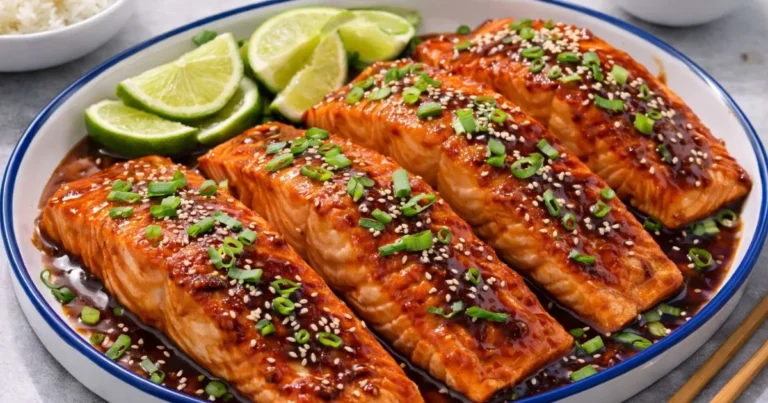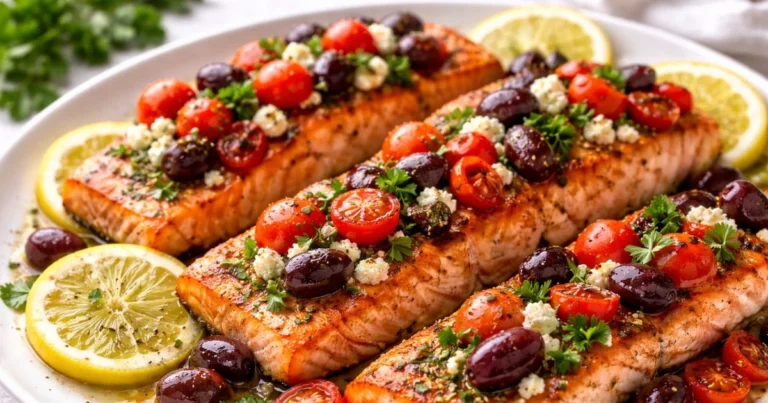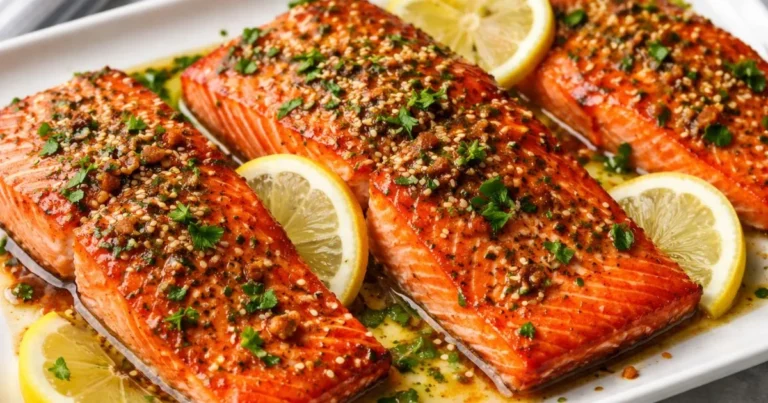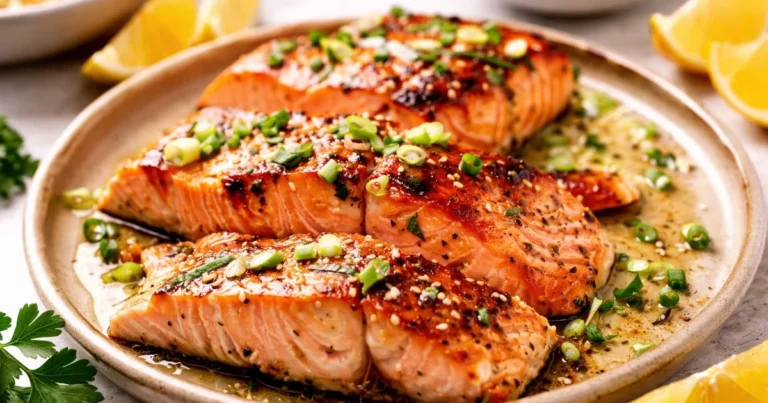
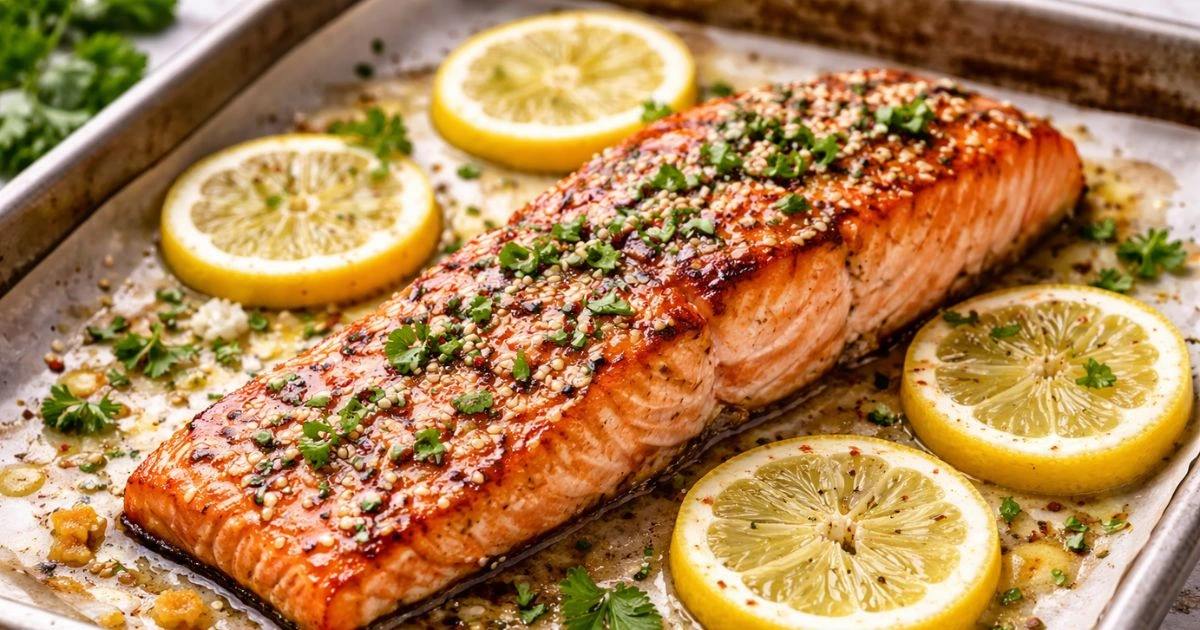
Broiled Salmon Recipe – Perfect, Easy & Delicious
Table of Contents
Some nights, you just want a quick, healthy dinner that feels like a win. You’re tired, but you still want something tasty. This guide will show you how to make the perfect broiled salmon at home. It’s a simple way to make dinner special.
This method makes salmon crispy on the outside and soft on the inside. It’s a fast, healthy, and tasty dinner that’s easy to make. You’ll learn how to pick the right ingredients, set up your broiler, and adjust cooking times. This way, you can make the best broiled salmon for any occasion.
Meta title: “Perfect Broiled Salmon Recipe – Easy & Delicious.”
Meta description: “Discover how to make the perfect broiled salmon recipe — a quick, healthy, and deliciously flavorful dish. Elevate your dinner game with ease!”

This guide is for home cooks in the United States who want a simple, healthy salmon recipe. You’ll learn why this recipe is loved, how to choose the best salmon, and how to broil it perfectly. You’ll also get tips for adding flavor, like garlic butter or lemon herb, and advice on sides and leftovers.
Key Takeaways
- You can make a restaurant-quality broiled salmon at home with minimal prep.
- The goal is crisp edges and a tender center — quick cooking is key.
- This easy broiled salmon approach works for weeknights and entertaining.
- The guide includes ingredients, timing, variations, and storage tips.
- Try simple seasonings or one of three flavorful variations to suit your taste.
Why This Broiled Salmon Recipe Is So Popular
Broiling salmon under intense heat from above is quick. It cooks in about 6–10 minutes, depending on its thickness. This makes it perfect for busy weeknights and simple meals.
The broiler crisps the salmon’s outer layer while keeping the inside moist. The high heat creates a caramelized, savory edge with little oil. This method gives a crisp texture without drying the fish.
Salmon is packed with nutrients like omega-3 fatty acids, complete protein, vitamin D, and B vitamins. Its simple preparation keeps added fats low. This makes it a healthy choice for fast meals.
People love how fast, tasty, and nutritious this salmon is. It tastes like it’s from a restaurant, with a delicious caramelized top. Plus, it’s healthy and great for leftovers and balanced meals.
| Benefit | What You Get | Why It Matters |
|---|---|---|
| Cooking Time | 6–10 minutes | Fast meals on weeknights, less cleanup, minimal prep |
| Texture | Crispy edges, tender center | Contrast in each bite; appealing mouthfeel without heavy frying |
| Nutrition | Omega-3s, protein, vitamin D | Supports heart and brain health; suits nutrient-focused diets |
| Flavor | Caramelized, savory finish | Delicious broiled salmon that needs few additions to shine |
| Ease | One-pan broiling | Simple technique you can repeat with consistent results |
Ingredients for the Best Broiled Salmon Recipe
Start by gathering the right fish and pantry items for a simple broiled salmon recipe. This will give you crisp edges and a moist center. Choosing the right ingredients at the market is key for a flavorful dinner.
Choosing Fresh Salmon Fillets
Choose center-cut fillets or steaks that are 1 inch thick for even cooking. Look for firm flesh that springs back when pressed. The flesh should be bright in color, and the skin should be intact if you buy skin-on.
A mild ocean scent is normal, but avoid any strong fishy smell. Buy from trusted U.S. sources like local fish markets or supermarket seafood counters. Decide between farmed and wild salmon: wild is leaner, while farmed is richer and more forgiving under high heat.
Simple Seasonings That Work
Keep seasonings simple to highlight the fish’s flavor. Use kosher salt and freshly ground black pepper as the base. Apply about 1/4 to 1/2 teaspoon kosher salt per fillet and a light sprinkle of pepper.
Brush each fillet with a small drizzle of olive oil or a teaspoon of melted butter to promote browning. Optional spices like garlic powder or smoked paprika add depth without masking the salmon’s flavor. For a quick marinade, try a splash of soy sauce with honey or a squeeze of lemon for brightness.
Optional Toppings: Herbs, Butter, and Citrus
Finish the fish with light additions that lift but do not overwhelm. Fresh herbs like dill, parsley, or chives add vibrant notes. Thinly sliced scallions bring a mild bite.
Compound butters work well. A garlic butter or broiled salmon with lemon butter are classic choices. Plan on about 1 teaspoon of compound butter per 4–6 ounce fillet so the topping melts into the flesh without dominating it.
For contrast, add capers or lemon and lime wedges for squeezing at the table. These touches make a simple broiled salmon recipe feel restaurant-worthy while keeping prep fast.
| Item | Why It Works | Typical Amount per Fillet (4–6 oz) |
|---|---|---|
| Center-cut fillet, 1″ thick | Even cooking under broiler; balanced texture | 1 fillet |
| Kosher salt | Enhances natural flavor without over-salting | 1/4–1/2 tsp |
| Freshly ground black pepper | Adds mild heat and aroma | Pinch to taste |
| Olive oil or melted butter | Promotes browning and prevents sticking | 1 tsp |
| Garlic powder or smoked paprika (optional) | Adds savory depth without extra prep | Light sprinkle |
| Compound butter (garlic or lemon) | Finishing richness and flavor contrast | 1 tsp per fillet |
| Fresh herbs (dill, parsley, chives) | Brightens and balances richness | Small handful, chopped |
| Lemon or lime wedges | Acid cuts richness and brightens taste | 1–2 wedges |
| Capers or thinly sliced scallions | Briny or sharp contrast to buttery finish | 1 tsp capers or 1 tbsp scallions |
How to Make Broiled Salmon Recipe
Follow a simple workflow to turn salmon fillets into an easy broiled salmon dinner. Read each step before you start so your timing stays tight and the fish cooks evenly.
Preparing the Salmon
Pat fillets dry with paper towels to remove surface moisture. Dry fish browns better and gives crisp edges.
Season both sides lightly with salt and pepper. Brush or rub with olive oil or melted butter to help the seasoning adhere and promote a golden top.
If your fillets have skin, keep it on to protect the flesh and crisp the underside. Let the fish sit at room temperature for 10–15 minutes so it cooks evenly.
Setting Up the Broiler
Position the oven rack 4–6 inches from the broiler element for a 1-inch fillet. This distance delivers strong, direct heat without burning the top.
Preheat the broiler on high for at least five minutes. Use a rimmed baking sheet lined with foil or a cast-iron skillet. Lightly oil the surface or spray with nonstick spray to prevent sticking.
If your broiler has temperature control, set it to 500–550°F. For gas broilers, choose the highest setting for a fast sear.
Broiling Time and Temperature
For a 1-inch thick fillet, broil 6–8 minutes for medium-rare to medium. Aim for an internal temperature of about 120–125°F for medium-rare and 125–135°F for medium.
For fully cooked salmon, plan 8–10 minutes. Add roughly 1–2 minutes for each extra 1/4-inch of thickness. Fish is done when it flakes easily with a fork and looks opaque through most of the fillet.
Avoid prolonged broiling to prevent dryness. When cooking finishes, tent the fillets loosely with foil and rest 3–5 minutes to let juices redistribute for a quick broiled salmon that stays moist and tender.
| Fillet Thickness | Broil Time | Target Doneness |
|---|---|---|
| 1/2 inch | 4–5 minutes | Quick broiled salmon; firm edges, slightly translucent center |
| 1 inch | 6–8 minutes | Medium-rare to medium; 120–135°F internal |
| 1 1/2 inches | 9–11 minutes | Medium to fully cooked; check for opaque flesh and flake test |
| 2 inches | 11–13 minutes | Thicker fillets; allow extra time and rest before serving |
Broiled Salmon Recipe Variations
Discover three simple ways to spice up your broiled salmon. Each method keeps the quick broil technique but adds unique flavors. Use these ideas to make the best broiled salmon recipe a weeknight hit or a special occasion dish.
Garlic butter version
Start by making garlic butter. Melt 2 tablespoons of unsalted butter for every four fillets. Add 1–2 minced garlic cloves, a squeeze of lemon juice, and some chopped parsley. Brush half of this butter on the fillets before broiling.
Garlic browns fast under direct heat, so keep most of it in the finishing butter. After broiling, let the fish rest. Then, spoon the remaining garlic butter over the fillets. This adds a rich, mellow garlic flavor without burning.
Lemon herb style
For a bright flavor, zest one lemon and mix it with lemon juice and chopped herbs like dill, parsley, and chives. Add a bit of olive oil and Dijon mustard to make a light paste.
Spread the herb paste thinly over the fillets before broiling. Serve with lemon butter or an extra lemon wedge for squeezing. The citrus and herbs enhance the fish’s natural taste without overpowering it.
Honey Dijon glaze
Whisk together 1–2 tablespoons Dijon mustard, 1 tablespoon honey, 1 teaspoon soy sauce (if using), and a drizzle of olive oil. This glaze offers a sweet and tangy mix that promotes caramelization.
Brush the glaze on the fillets in the last one to two minutes of broiling to avoid burning. You can also sear the skin briefly in a hot skillet, then finish under the broiler for extra texture. This method results in a flavorful broiled salmon with a glossy, savory-sweet finish.
Easy Broiled Salmon Tips for Consistent Results
To get consistent results, follow a few simple habits. Use fillets of the same thickness so heat spreads evenly. Preheat your broiler until it’s hot and let the pan warm up a bit. These steps help you make the best broiled salmon at home, with perfect timing and texture.
How to Prevent Overcooking
Choose fillets that are all about the same thickness. One-inch pieces work well. Start a timer and check the fish at 4, 6, and 8 minutes. Pull the fish when the center looks slightly less done than you want.
Use skin-on salmon to keep moisture in and prevent drying. Broiling on a preheated cast-iron skillet gives a better sear without extra oven time. Make sure to leave enough space between fillets for air to circulate.
If your recipe has sugar, honey, or a sweet glaze, apply it near the end of broiling. This prevents burning and keeps the flavor bright. For a simple recipe, a light brush of olive oil and salt before broiling often gives the best result.
Checking for Doneness Without a Thermometer
Look for the flesh to change from translucent to opaque. At the thickest part, test with a fork. The salmon should flake easily yet still be slightly translucent in the center for medium doneness.
Press gently with your finger or fork. You want slight resistance without a rubbery bounce. If the fillet separates into large flakes and feels firm, it is past medium and may be overcooked.
For more precision, use an instant-read thermometer. Aim for 125°F for medium-rare or 130–135°F for medium. This helps you balance texture while keeping the dish a healthy broiled salmon option.
| Tip | Why It Helps | Quick Action |
|---|---|---|
| Uniform thickness | Ensures even cooking from edge to center | Trim or butterfly thick pieces |
| Preheated broiler and pan | Creates consistent sear and predictable timing | Heat broiler 10 minutes before cooking |
| Use skin-on fillets | Protects flesh from drying and adds flavor | Broil skin-side down first if preferred |
| Late application of sweet glazes | Prevents burning while preserving shine | Brush glaze in the last 1–2 minutes |
| Visual/tactile checks | Reliable doneness without guessing | Fork test at thickest part; look for slight translucence |
| Instant-read thermometer | Exact internal temperature for preferred doneness | 125°F for medium-rare, 130–135°F for medium |
| Spacing on the pan | Promotes even air flow and uniform browning | Leave at least 1 inch between fillets |
What to Serve with Broiled Salmon Recipe
Pair your broiled salmon with simple, bright sides. Choose one grain, one vegetable, and an optional salad. This will make your plate feel complete and fresh.

Rice and Grain Bowls
Top jasmine rice, brown rice, quinoa, or farro with a fillet for a filling meal. Try salmon + quinoa + steamed broccoli + avocado + lemon vinaigrette for a tangy and creamy mix.
Another great option is salmon + wild rice + sautéed spinach + toasted almonds. Add a bit of lemon zest or low-sodium soy sauce to enhance the flavors and match the fish.
Roasted Vegetables
Oven-roasted asparagus, Brussels sprouts, or root vegetables add a nice crunch to your meal. Toss them with olive oil, salt, and pepper before roasting.
For quick roasted asparagus, preheat your oven to 425°F. Toss asparagus with olive oil, salt, and pepper, then roast for 10–12 minutes. Finish with a squeeze of lemon to enhance the flavors of your salmon.
Fresh Salads
Light salads keep your meal refreshing. A mixed greens salad with cucumber, cherry tomatoes, red onion, and a dill-yogurt dressing pairs well with the fish.
Try an arugula salad with shaved fennel and citrus segments, topped with flaked salmon. Serve a small salad on the side if you prefer to keep textures separate.
These sides are perfect for a quick weeknight dinner or a meal for guests. Mix and match grains, vegetables, and salads to create your own signature bowl.
Storage and Reheating Tips
Keeping broiled salmon fresh is easy with a few steps. Store it right to keep the taste and texture perfect. This is true whether you’re storing it for later or reheating it.
How to Store Leftovers
Cool the salmon to room temperature within two hours. Then, put it in an airtight container or wrap it tightly with plastic wrap. If you used butter or sauce, store it separately to keep the salmon firm.
Remember to label the containers with the date. Use the broiled salmon leftovers within 3–4 days for the best taste and safety.
Best Way to Reheat Without Drying
Use gentle heat to keep the salmon moist. Preheat your oven to 275–300°F. Place the salmon on a baking sheet, add a bit of low-sodium broth or butter, and cover with foil. Warm it for 10–15 minutes until it’s heated through.
For stovetop reheating, flake the salmon and warm it in a covered skillet with a little oil or broth over low heat. If you must use a microwave, heat at 50% power in short intervals and cover to hold steam. These methods help you reheat broiled salmon without drying it out.
Freezing Cooked Salmon Safely
Cool the salmon completely before freezing. Wrap each portion tightly in plastic wrap, then in aluminum foil, or use a vacuum sealer to remove air. Store packages flat so they freeze evenly.
Label with the date and freeze for up to 2–3 months for best quality. Thaw in the refrigerator overnight before reheating. If the texture changes after freezing, use the fish in salads, pasta, or casseroles where flaked salmon works well.
Flavorful Broiled Salmon Serving Ideas
Turn your flavorful broiled salmon into a restaurant-quality dish with a few easy steps. Start by warming your plates and cleaning the edges. This makes the presentation pop. Place the salmon slightly off-center to leave room for sides and garnishes.

Plating and Garnishing for Presentation
Place the salmon on a warm plate and clean the rim for a neat look. Add a bit of lemon-herb butter or honey Dijon glaze next to the fish. This adds flavor and shine.
Top it with microgreens, chopped herbs, and a lemon wedge for a pop of color. If you’re using lemon butter, put a small butter quenelle near the fish. This way, it melts over the salmon as you eat.
Pair the salmon with green veggies or colorful grains for a vibrant plate. For buffets, flake the salmon and offer bowls of grains, greens, and sauces. This lets guests create their own bowls.
Beverage Pairings: Wine and Non-Alcoholic Options
Match your drink to the dish. For light, herbal flavors, choose a dry Riesling, Sauvignon Blanc, or unoaked Chardonnay. For richer flavors, like lemon butter or honey glaze, try a light Pinot Noir or a fuller white.
For non-alcoholic options, try sparkling water with lemon, iced green tea, or citrus-ginger kombucha. These drinks refresh your palate and complement the salmon without overpowering it.
For special events like date nights or casual dinner parties, serve a composed grain salad and a lightly dressed side salad with your salmon. This keeps the meal balanced and highlights the salmon as the main attraction.
Conclusion
This best broiled salmon recipe is perfect for a quick, healthy meal or a special dinner. Just follow the basic steps, set your broiler right, and cook for a short time. You’ll get crispy edges and a tender center every time.
Adding simple seasonings and touches like lemon butter or parsley makes the salmon unforgettable. Use fresh, even fillets, preheat the broiler, and let the fish rest before serving. This ensures the best texture.
Try a different flavor tonight, like garlic butter or honey Dijon. Use the storage and reheating tips to keep leftovers delicious. This method is fast, versatile, and full of flavor. It’s a great way to make your dinner better with little effort.
FAQ
What is the easiest way to make broiled salmon at home?
Start by patting 1-inch-thick salmon fillets dry. Season with kosher salt and pepper. Then, brush lightly with olive oil or melted butter.Preheat your oven broiler for 5 minutes. Place the rack 4–6 inches from the element. Broil 6–8 minutes for medium doneness.Let the fillets rest 3–5 minutes before serving. This ensures a tender center and crispy edges.
How do I achieve crispy edges without drying out the salmon?
Dry the fillets thoroughly with paper towels. Use a light brush of oil or butter to promote browning.Preheat the broiler fully. Position the rack 4–6 inches from the heat. Broil just until the surface caramelizes and the center is slightly less done than you want.Then, rest to finish cooking. Choosing uniform-thickness fillets helps ensure even results.
What internal temperature should broiled salmon reach?
For medium-rare, aim for about 120–125°F. For medium, 125–135°F. And for fully cooked, 145°F according to USDA guidance.Many cooks prefer 125–130°F for moist, flaky salmon. Use an instant-read thermometer at the thickest part to check doneness, then rest the fish 3–5 minutes.
Can I broil salmon with skin on or skinless—what’s better?
Both work, but skin-on fillets are recommended for broiling. The skin protects the flesh and crisps nicely.If you prefer skinless, watch closely since the exposed flesh browns faster and can dry. Either way, leave the fillet at room temperature 10–15 minutes before broiling for even cooking.
How long do I broil a thicker fillet (1.5–2 inches)?
For fillets thicker than 1 inch, add roughly 1–2 minutes per additional 1/4 inch. A 1.5–2 inch fillet will typically broil 8–12 minutes depending on desired doneness.Start checking at the shorter end and use a thermometer or the flake test to avoid overcooking.
What simple seasonings work best for broiled salmon?
Keep it simple: kosher salt (about 1/4–1/2 tsp per fillet), freshly ground black pepper, and a light drizzle (≈1 tsp) of olive oil or melted butter.Optional additions that pair well include garlic powder, paprika, lemon zest, or a quick squeeze of lemon. Simplicity highlights the salmon’s natural flavor.
How can I make broiled salmon more flavorful—any easy variations?
Try a garlic butter finish (melt butter with minced garlic, parsley, and lemon juice; brush half before broiling and the rest after).Or a lemon-herb paste (zest, herbs, olive oil, a touch of Dijon), or a honey Dijon glaze (1–2 tbsp Dijon with 1 tbsp honey, brush in the last 1–2 minutes). Apply sugary glazes late to prevent burning.
What side dishes pair best with broiled salmon?
Broiled salmon pairs beautifully with rice and grain bowls (quinoa, farro, jasmine rice), roasted vegetables (asparagus, Brussels sprouts), and fresh salads (mixed greens with dill-yogurt dressing or arugula with citrus).Bright citrus or herb-based accompaniments complement the fish’s richness.
How should I store leftover broiled salmon, and how long will it keep?
Cool the salmon within two hours, place it in an airtight container, and refrigerate for up to 3–4 days. Remove compound butter or sauces if possible and store them separately to preserve texture and flavor.Label the container with the date for food-safety tracking.
What’s the best way to reheat broiled salmon without drying it out?
Reheat gently: in a 275–300°F oven, place the salmon on a baking sheet, add a splash of broth or a pat of butter, cover loosely with foil, and warm 10–15 minutes until just heated through.Alternately, flake into a covered skillet with a bit of oil or broth on low heat. If you must use a microwave, heat at 50% power in short intervals and cover to retain steam.
Can you freeze cooked broiled salmon, and how should it be thawed?
Yes—cool fully, wrap tightly in plastic wrap and foil or vacuum-seal, and freeze for best quality 2–3 months. Thaw overnight in the refrigerator before reheating.Expect a slight texture change; thawed cooked salmon works well in salads, pasta, or casseroles if the texture is less ideal for a plated serving.
How can I check doneness without a thermometer?
Use visual and tactile cues: the flesh will turn from translucent to mostly opaque and should flake easily with a fork at the thickest part while remaining slightly translucent in the center for medium doneness.Press gently—there should be slight resistance but not a rubbery feel. When in doubt, rest the fillet to allow carryover cooking.
Is broiling a healthy way to cook salmon?
Yes. Broiling is quick and uses minimal added fat, which preserves nutrients like omega-3 fatty acids, high-quality protein, vitamin D, and B vitamins.Simple preparations—olive oil, lemon, herbs, or a small amount of butter—support healthy eating patterns like Mediterranean-style meals while delivering flavorful broiled salmon.
What equipment and oven setup do you recommend for consistent broiling?
Use a rimmed baking sheet lined with foil or a preheated cast-iron skillet. Position the oven rack 4–6 inches from the broiler element for 1-inch fillets and preheat the broiler for at least 5 minutes on high.Lightly oil the cooking surface to prevent sticking and consider using a broiler-safe pan to catch drips and make cleanup easier.
Love This Recipe? Leave a Review!
There are no reviews yet. Be the first one to write one.