Broiled Salmon Recipe: 5 Easy Secrets
Table of Contents
Some evenings, I come home hungry and don’t want to cook much. But I still want a meal that tastes like it came from a restaurant. That’s why I love this broiled salmon recipe. It’s quick, tasty, and doesn’t need many ingredients or special tools.
This guide will share five simple secrets for making the best broiled salmon at home. You’ll learn how to get crispy edges and a flaky center. Plus, the right cooking time and temperature, easy seasonings, and the tools you need for perfect salmon.
Whether you’re a busy parent, a professional with no time, or anyone who wants a tasty salmon fillet recipe, these tips will help. They save time and make your dinner delicious. You’ll get healthy results and leftovers that are just as good when reheated.

Key Takeaways
- Five easy secrets to a quick, delicious broiled salmon recipe.
- How to achieve crispy edges and a flaky center every time.
- Simple pantry seasonings and healthy variations for homemade broiled salmon.
- Essential tools: broiler-safe pan and an instant-read thermometer.
- Time, temperature, and storage tips to keep leftovers moist and tasty.
Why This Broiled Salmon Recipe Is So Good
Broiling uses direct heat from the oven’s top element, so you get fast results with a crisp surface. It’s faster than baking or pan-searing. A 1-inch fillet typically broils in 6–10 minutes, which keeps omega-3s and other nutrients from overcooking. This makes the method ideal for a weeknight quick broiled salmon that feels special without extra fuss.
Fast Cooking Under High Heat
High heat seals the surface quickly, cutting total time at the stove or in the oven. Place the oven rack close to the broiler and preheat until very hot. For a standard broiled salmon fillet about 1 inch thick, expect 6–10 minutes depending on how you like doneness.
The shorter cook time helps preserve healthy fats. That makes this an easy broiled salmon option when you want nutrition and speed. Use a thermometer to check internal temperature for consistent results.
Crispy Edges and Flaky Center
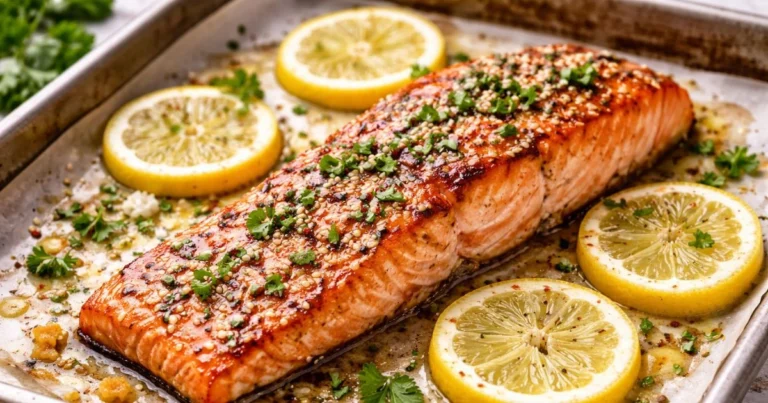
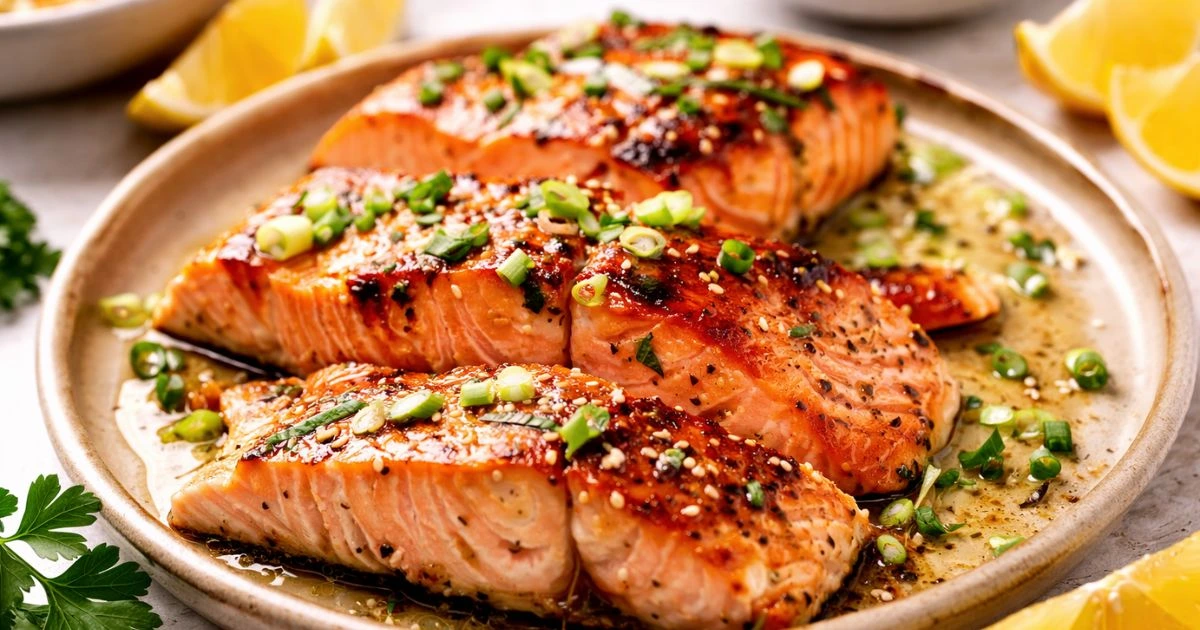
Intense top heat triggers the Maillard reaction, creating golden-brown edges and a savory crust. Watch for visual cues: the surface should be browned, the flesh opaque, and it should flake easily with a fork.
For texture, aim for 125–130°F for a medium-rare finish and a moist center. The FDA recommends 145°F for safety, which yields a firmer, fully cooked fillet. Many cooks prefer the lower target for the best mouthfeel while noting the safety guideline.
Broiling is low-fuss and consistent when you set the rack and temperature correctly. It keeps oil use minimal and reliably produces a restaurant-quality broiled salmon fillet. That combination of speed, texture, and simplicity explains why this recipe is a go-to for healthy, easy broiled salmon night after night.
| Fillet Thickness | Approximate Broil Time | Target Internal Temp | Result |
|---|---|---|---|
| 1/2 inch | 4–6 minutes | 125–130°F | Quick, slightly rare center, crisp edges |
| 1 inch | 6–10 minutes | 125–130°F (130–145°F for well-done) | Flaky interior with browned crust |
| 1.5–2 inches | 10–12 minutes | 130–145°F | Moist center if watched closely; firmer at higher temp |
Ingredients for the Best Broiled Salmon Recipe
Choosing the right ingredients is key for a great broiled salmon recipe. Start with high-quality fish and a few essential pantry items. Making small changes can greatly enhance the flavor of your homemade broiled salmon.
Choosing Fresh Salmon Fillets
Look for salmon with firm flesh that springs back. It should have a moist, shiny surface. Avoid any strong fishy smell.
Color can vary by species. Alaskan sockeye is deep red, while Atlantic salmon is paler pink.
Decide between wild-caught and farmed salmon. Wild Alaskan is leaner and tastes brighter. Farmed Atlantic is richer but less expensive. Choose center-cut fillets for even cooking.
For eco-friendly choices, check the Monterey Bay Aquarium Seafood Watch. It helps balance taste, cost, and environmental impact.
Simple Pantry Seasonings
Keep your seasonings simple and effective. Start with kosher salt, black pepper, olive oil, unsalted butter, garlic, and lemon. Add oregano or smoked paprika for depth. Brown sugar or honey and soy sauce make quick glazes.
Use these ratios as a guide: 1 teaspoon kosher salt per pound of fish. Brush with 1 tablespoon olive oil per 8–10 ounce fillet. Add 1–2 teaspoons lemon zest or 1 tablespoon lemon juice per fillet.
For lower-sodium options, use low-sodium soy or tamari. Choose avocado oil for a higher smoke point. Fresh herbs like dill, parsley, or thyme add a nice touch. Garnish with lemon wedges or chopped chives for a better presentation.
| Item | Why It Matters | Suggested Amount |
|---|---|---|
| Center-cut fillet (1–1.5 in) | Ensures even cooking and consistent texture | 8–12 oz per fillet |
| Kosher salt | Enhances natural salmon flavor without overpowering | 1 tsp per lb |
| Olive oil | Helps browning and prevents sticking under the broiler | 1 tbsp per 8–10 oz fillet |
| Lemon (juice or zest) | Adds bright acidity to balance richness | 1–2 tsp zest or 1 tbsp juice per fillet |
| Garlic and unsalted butter | Builds savory, rich layers for finishing | 1 clove garlic + 1 tsp butter per fillet |
| Smoked paprika or oregano | Provides smoky or herbal notes for variety | ¼–½ tsp per fillet |
| Brown sugar / honey or soy sauce | Creates caramelized glaze or umami depth | 1 tsp–1 tbsp depending on sweetness desired |
| Avocado oil / tamari (substitutions) | Lower-sodium or higher smoke-point alternatives | Use 1:1 swaps for olive oil or soy |
How to Make Broiled Salmon Recipe
This guide will help you make a delicious broiled salmon. It shows you how to prepare, cook, and serve it perfectly. You’ll learn how to get a flaky, moist salmon with a crispy outside.
Prepping the Salmon
Start by drying the salmon fillets with paper towels. This removes extra moisture, helping it brown better. Use your fingers to find and remove any pin bones with tweezers.
If the salmon has skin, score it lightly. This prevents it from curling up while cooking. Lightly oil the skin or flesh with olive oil to prevent sticking. Season with kosher salt and black pepper, or marinate for 10–30 minutes if you plan to glaze it.
Broiling Temperature and Rack Position
Preheat your oven to its highest broil setting, around 450–550°F. Let it heat up for at least five minutes. Place the rack 4–6 inches from the broiler element for 1-inch fillets.
Every oven is different, so test with a single piece first. The right rack position and a hot broiler are key. They help cook the salmon quickly and evenly.
How Long to Broil Salmon
The cooking time depends on the fillet’s thickness. For 3/4–1 inch fillets, broil for 6–8 minutes. Thicker fillets, 1–1.5 inches, take 8–10 minutes. Steaks need 10–12 minutes.
Check the salmon early to avoid overcooking. Use an instant-read thermometer to check for medium doneness at 125–130°F. The USDA suggests 145°F for well-done. Let the salmon rest for 3–5 minutes before serving.
Broiled Salmon Recipe Variations
Try three easy ways to spice up your broiled salmon. Each method is quick for weeknights and brings unique flavors. These changes can make your dish stand out for family dinners or a cozy date night.
Garlic Butter
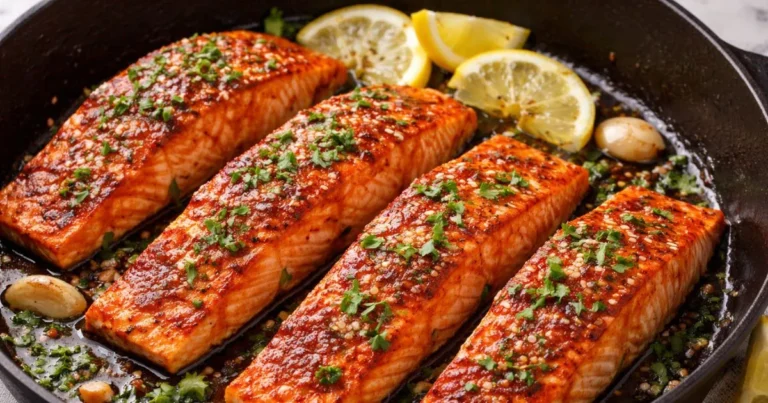
Melt unsalted butter and mix in minced garlic, parsley, lemon juice, and salt. For four fillets, use 3 tablespoons butter, 2 cloves garlic, 1 tablespoon lemon juice, and 1 tablespoon parsley. Brush the mix on the fillets before broiling. Then, brush again after to keep the shine and flavor.
Lemon Herb
Make a mix of olive oil, lemon zest, lemon juice, and chopped dill or thyme. Add salt and pepper to taste. Marinate the salmon for 10–20 minutes for more flavor, or brush just before broiling for a light finish. The lemon and herbs balance the fish’s richness. Serve with extra lemon wedges for squeezing.
Honey Soy Glaze
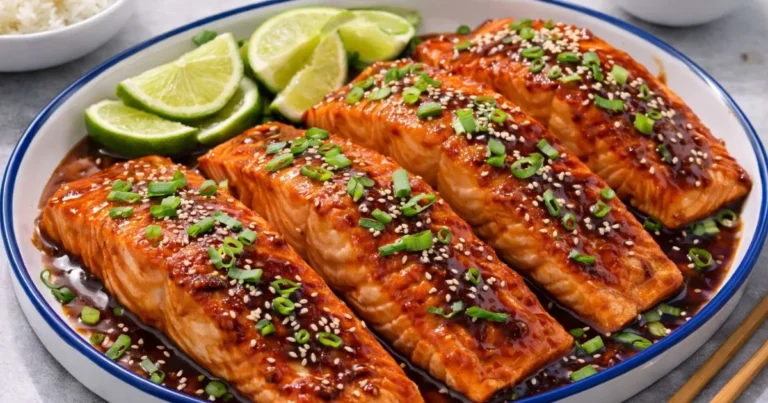
Whisk soy sauce or tamari with honey or maple syrup, garlic, ginger, and rice vinegar. Brush the glaze on 1–2 minutes before the end of broiling to caramelize. Add sesame oil and toasted sesame seeds for a finishing touch. Watch closely as sugars can burn quickly.
These variations use the same simple broiling method as the best broiled salmon recipe. Try one tonight for a delicious, homemade dish that feels like it’s from a restaurant.
| Variation | Key Ingredients | Timing | Best With |
|---|---|---|---|
| Garlic Butter | Butter, garlic, parsley, lemon juice, salt | Brush before and after broiling | Mashed potatoes, steamed asparagus |
| Lemon Herb | Olive oil, lemon zest, lemon juice, dill or thyme, salt, pepper | Marinate 10–20 minutes or brush before broiling | Quinoa salad, green beans |
| Honey Soy Glaze | Soy sauce/tamari, honey or maple, garlic, ginger, rice vinegar, sesame | Brush 1–2 minutes before end of broil | Steamed rice, bok choy |
What to Serve with Broiled Salmon Recipe
Broiled salmon goes great with simple sides that balance its flavor. Choose sides that fit the meal’s mood. For dinner, try hearty grain bowls. For a lighter meal, crisp salads are perfect. Roasted vegetables add warm comfort.
Rice and Grain Bowls
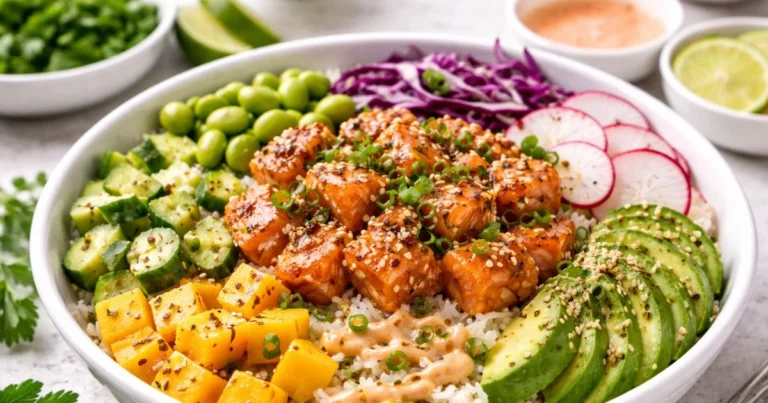
Start with a bowl of steamed jasmine, brown rice, farro, quinoa, or freekeh. Top it with broiled salmon. Add sliced avocado, cucumbers, scallions, and a soy-lemon dressing for a nice contrast. For a quick dinner, use pre-cooked grains or microwaveable packets.
Roasted Vegetables
Roast asparagus, Brussels sprouts, broccoli, or sweet potatoes with olive oil, salt, and pepper. These veggies can roast at 400°F while you broil the salmon. The crisp edges of roasted veggies add a nice texture contrast to the tender fish.
Fresh Green Salads
Try mixed greens with lemon vinaigrette, arugula with shaved fennel and orange segments, or a Greek-style salad. Chilled salads are a light, healthy choice that complements richer salmon dishes.
| Side | Why It Works | Quick Tips |
|---|---|---|
| Steamed Jasmine or Brown Rice | Neutral base that absorbs sauces and dressing from broiled salmon recipe | Use microwaveable packets or cook rice ahead and reheat |
| Quinoa or Farro | Nutty texture complements flaky salmon and adds whole-grain fiber | Cook in broth for extra flavor; toss with lemon zest |
| Roasted Asparagus / Broccoli | Crisp-tender bite contrasts with the soft fish | Roast at 400°F while broiling if racks allow |
| Sweet Potato Wedges | Sweetness balances savory glaze or seasoning on salmon | Cut evenly for uniform roasting time |
| Mixed Green or Greek Salad | Fresh acidity cuts richness for a balanced plate | Dress just before serving to keep leaves crisp |
| Avocado and Cucumber Toppings | Cool, creamy elements that mellow heat and salt | Slice just before plating to avoid browning |
Time-Saving Tips for Quick Broiled Salmon
Weeknights can be easier with fast and tasty dinners. A few smart shortcuts can help you make quick broiled salmon without losing flavor or texture. These methods reduce hands-on time and clean-up, while keeping the fish tender and crisp.

Prep Shortcuts to Save Minutes
Buy pre-cut salmon fillets from places like Whole Foods or Safeway to avoid trimming. Pat each fillet dry with paper towels before seasoning to speed up browning. Use kitchen shears to trim ragged skin edges and remove fins at the tail for a cleaner cook.
Mix your seasonings in a small bowl ahead of time for quick application. Use pre-minced garlic, jarred lemon zest, or bottled citrus juice to save prep time. Marinate in zip-top bags for faster flavoring and easier cleanup.
One-pan and Sheet-Pan Options
Put an easy broiled salmon and quick-roast vegetables on a foil-lined sheet pan for cooking together. Place denser vegetables like carrots or potatoes on one side and faster-cooking items like asparagus or cherry tomatoes nearer the fish.
Start the vegetables a few minutes before the salmon if they need more time. Place the pan under the broiler or into a preheated 450°F oven. This way, you get a simple broiled salmon meal with minimal dishes and less energy use.
How to Season Salmon for a Delicious Broiled Salmon
Seasoning is key to a great broiled salmon. Small choices can change how it tastes and smells. This guide will help you season salmon perfectly every time.
Dry Rubs vs. Marinades
Dry rubs give a quick, flavorful crust. Mix kosher salt, black pepper, smoked paprika, garlic powder, and brown sugar. This mix caramelizes well under heat.
Marinades add deeper flavor. Use citrus, soy, and oil-based marinades. But avoid acidic marinades for too long. Acid can “cook” the fish and change its texture. Limit marinating to 10–30 minutes for tender flesh.
Salt Timing and Flavor Penetration
Salt right before broiling seasons the surface. It also helps with browning. Salting 15–30 minutes early pulls out moisture, then reabsorbs it, improving flavor. But it can make the flesh tighter. For a good balance, lightly salt 5–15 minutes before cooking.
For thicker cuts, a brief brine adds moisture and even seasoning. Remember, kosher salt is different from table salt. Use about 1 1/4 teaspoons kosher salt for 1 teaspoon table salt. Adjust to taste.
After broiling, add fresh herbs, lemon zest, or compound butter. Sprinkle spices like cumin, coriander, or chili flakes for extra flavor. These touches make a healthy broiled salmon unforgettable.
| Method | Key Ingredients | Timing | Best Use |
|---|---|---|---|
| Dry Rub | Kosher salt, black pepper, smoked paprika, garlic powder, brown sugar | Apply immediately before broiling | Quick crust and caramelized finish for thin fillets |
| Short Marinade | Citrus juice, soy sauce, olive oil, garlic | 10–30 minutes | Deeper flavor without altering texture; works for medium fillets |
| Brine | Salt, sugar, water, optional aromatics (bay leaf, peppercorn) | 20–60 minutes for thicker cuts | Adds moisture and even seasoning for steaks and thick portions |
| Finishing Layer | Fresh herbs, lemon zest, compound butter, chili flakes | Add after broiling | Preserves bright aromatics for a delicious broiled salmon |
Healthy Broiled Salmon Options
Broiled salmon is a quick and healthy main dish for weeknights. It’s good for your heart. This section will show you how to make a balanced broiled salmon recipe for everyday meals.
Reduce salt and heavy sauces by using fresh herbs like dill, parsley, and chives. Add citrus zest and lemon juice for flavor without extra sodium. Garlic, onion powder, smoked paprika, and black pepper add depth to your salmon.
Use olive oil or avocado oil to coat the fillets before broiling. Replace salted butter with unsalted butter or a mix of lemon, dill, and Greek yogurt for a creamy topping.
Simple sauces and swaps
- Lemon-dill Greek yogurt sauce: plain Greek yogurt, lemon juice, fresh dill, and a touch of garlic powder.
- Smoked paprika rub: smoked paprika, onion powder, black pepper, and a hint of brown sugar for caramelization.
- Fresh-herb salsa: chopped parsley, capers, lemon zest, and olive oil for a bright finish.
Serving size and nutrition notes
A 3-ounce cooked salmon portion has about 175–200 calories, 17–20 grams of protein, and 10–12 grams of fat. Most of this fat is from omega-3s EPA and DHA. For a main dish, aim for 4–6 ounces per person.
Pregnant people and those with weakened immune systems should cook salmon to 145°F. Check national guidelines on mercury. Choose wild-caught Alaskan salmon for lower mercury levels.
Meal-building tips
- Pair broiled salmon with fiber-rich vegetables and whole grains for heart health and weight management.
- Use a 4–6 ounce fillet, a generous portion of leafy greens, and a cup of brown rice or quinoa for a balanced plate.
- A well-rounded broiled salmon recipe follows American Heart Association-style advice by emphasizing lean protein and regular omega-3 intake.
Tools and Equipment for the Best Broiled Salmon
Having the right tools makes a simple broiled salmon recipe shine. Choose durable items that handle high heat well. They should also make prep faster and cleanup simpler. Here’s a quick guide to the must-haves for every time.

Choosing the Right Broiler-Safe Pan
Opt for a heavy-duty rimmed sheet pan for even heat and to catch juices. For sear marks, a cast-iron skillet that’s oven-safe is perfect. Stainless-steel broiler pans are great for their sturdy support and flat surface.
Use aluminum foil to line pans for easy cleanup and to protect them. Add a wire rack on the sheet pan to lift the fillet and crisp the skin. Never put glass or Pyrex under the broiler as it can shatter and be dangerous.
Using a Thermometer for Perfect Doneness
An instant-read thermometer is key for fast and accurate results. Brands like ThermoWorks and OXO offer handheld options. Insert the probe into the thickest part of the fillet to check the temperature.
For medium, aim for 125–130°F. This keeps the center moist and slightly rare. For medium-well, target 135–140°F. The USDA says 145°F is fully cooked. Remember, there’s carryover cooking during the 3–5 minute rest period. So, pull the fish a few degrees below your target to achieve the perfect texture while resting.
| Item | Why it Helps | Best Use |
|---|---|---|
| Heavy-duty rimmed sheet pan | Even heat, catches drips, easy to line with foil | Everyday broiling, sheet-pan dinners |
| Cast-iron skillet (oven-safe) | Excellent heat retention, great for crisping skin | Searing then broiling for texture and color |
| Stainless-steel broiler pan | Durable, stable under high heat, easy to handle | Large fillets, steady placement under the broiler |
| Wire rack | Promotes air circulation for crisp skin | Placed on sheet pan for best texture |
| Instant-read thermometer (ThermoWorks, OXO) | Fast, accurate internal temp readings | Check doneness for the best broiled salmon recipe |
| Aluminum foil | Makes cleanup quick, protects pans | Line pans and tent fish during rest |
Common Mistakes to Avoid with Broiled Salmon
Many home cooks aim for the best broiled salmon recipe but often make simple mistakes. This guide will highlight common errors and offer quick fixes for tonight’s dinner.
Overcooking salmon is a major mistake. It happens when fillets stay under the broiler too long or are too close to the heat. This results in dry, chalky flesh. Broilers have hot spots, so a thin edge can char while the center stays raw.
Watch the fish closely and test it early with an instant-read thermometer. Adjust the cooking time based on the fillet’s thickness. If the top browns too fast, lower the rack or reduce the broiler power. If the top browns first, cover it with foil to let the inside cook evenly.
Overcooking and How to Prevent It
Start checking the salmon at least three minutes before it’s supposed to be done. Aim for 125–130°F (52–54°C) for medium-rare or 135°F (57°C) for medium. Then, let carryover heat finish cooking it.
Look for visual cues: the flesh should flake gently and still look slightly translucent at the center.
Skipping the Rest Period
Let the fish rest for 3–5 minutes after broiling. Slicing it right away can make it dry. Resting helps even out the internal temperature and keeps the fillet tender and flaky.
Other mistakes include crowding the pan, forgetting to remove pin bones, and not preheating the broiler. Make sure to leave space between fillets for even browning. Check for pin bones by running your fingers along the fillet and remove them with tweezers. Always preheat the broiler to ensure searing starts immediately and timing is consistent.
Remember these tips to avoid common mistakes when broiling salmon. Follow them, and your simple broiled salmon will be closer to the best recipe each time.
Storage and Reheating Tips
After cooking, handle fish quickly to keep it safe and tasty. Let it cool at room temperature for two hours. Then, refrigerate it to preserve its texture and flavor for your next meal.
How to Store Leftovers
Put leftovers in an airtight container or wrap them tightly. Store in the fridge for up to three days. For longer storage, freeze in vacuum-sealed bags or containers for two to three months.
Freeze in meal-sized portions and label each package with the date. Thaw overnight in the fridge for best results and to avoid moisture loss.
Best Way to Reheat Without Drying
Use gentle heat to reheat broiled salmon and avoid drying. Preheat your oven to 275–300°F. Place salmon on a baking sheet, cover loosely with foil, and warm for 10–15 minutes until it reaches 125–130°F.
For quick reheating, use the stovetop steam method. Add a few tablespoons of water to a skillet, place salmon in, cover, and heat on low until warmed through. Microwaves can also be used if set to low power and reheated in short bursts with a cover.
When reheating for elders, infants, or those with weakened immune systems, reheat to 165°F for safety. Add a bit of garlic butter, lemon-herb sauce, or honey soy glaze over the fish to restore moisture and flavor.
| Storage Step | Refrigerator | Freezer | Best Reheat Method |
|---|---|---|---|
| Timing | Up to 3 days | 2–3 months | Oven at 275–300°F |
| Packaging | Airtight container or tight wrap | Vacuum-sealed bag or freezer-safe container | Cover loosely with foil |
| Portioning | Store whole or portioned | Divide into meal-sized portions | Reheat single portions for even warming |
| Moisture Tips | Add small dab of butter or olive oil before sealing | Freeze with a thin sauce layer to protect texture | Add extra sauce when reheating |
| Safety Note | Discard after 3 days | Label with date, use within 3 months | Reheat to 165°F for vulnerable eaters |
Conclusion
This guide shared five easy secrets for the best broiled salmon recipe. First, pick fresh fillets. Then, pat them dry and season well. Next, set the broiler and rack correctly.
Watch the time and internal temperature to avoid overcooking. Lastly, let the fish rest before serving. These steps ensure a crisp exterior and a flaky, tender center every time.
Try simple variations like garlic butter, lemon herb, or a honey soy glaze to make easy broiled salmon feel new each week. Pair it with rice, roasted vegetables, or a bright green salad for a healthy meal that’s fast and satisfying.
Time-saving tips and thermometer use make this method practical for busy weeknights. Give this homemade broiled salmon approach a try soon and tweak seasonings to match your taste. Bookmark this broiled salmon recipe, share it with friends, and leave a note about which variation you liked best.
FAQ
What is the quickest way to broil salmon for weeknight dinners?
First, preheat your oven’s broiler for at least 5 minutes. Place the rack 4–6 inches from the element for 1‑inch fillets. Then, brush the fillet lightly with oil.Broil on high for roughly 6–10 minutes, depending on thickness. Check doneness visually and with an instant‑read thermometer. Remove at 125–130°F for the best texture or 145°F for fully cooked.
How do I choose the best salmon fillet for broiling?
Look for firm, moist flesh with a fresh smell and bright color. Choose center‑cut fillets 1–1.5 inches thick for even broiling. Wild‑caught varieties like Alaskan sockeye or coho are leaner with stronger flavor.Farmed Atlantic can be fattier and milder. Check sustainability guides like the Monterey Bay Aquarium Seafood Watch for informed choices.
What simple seasonings work best for broiled salmon?
Use kosher salt (about 1 teaspoon per pound), freshly ground black pepper, and 1 tablespoon olive oil per 8–10 ounce fillet. Add lemon zest or juice, garlic, smoked paprika, dried oregano, or a light honey glaze for variety.For low‑sodium or heart‑healthy options, use fresh herbs, citrus, and spices instead of extra salt or heavy soy sauce.
How long should I broil salmon by thickness?
Use these general guidelines: 3/4–1 inch: 6–8 minutes; 1–1.5 inches: 8–10 minutes; steaks thicker than 1.5 inches: 10–12 minutes. Start checking at the early end of the range and use an instant‑read thermometer at the thickest part to ensure accurate doneness.
Should I broil salmon skin‑on or skin‑off?
Both work. Skin‑on helps hold the fillet together and crisps under a broiler; lightly score the skin to prevent curling and oil it to reduce sticking. Skin‑off yields quicker, even browning across the flesh. Choose based on preference and the pan you’re using.
Can I use different oils for broiling salmon?
Yes. Olive oil is classic, but higher smoke‑point oils like avocado oil work well under high broiler heat. Use about 1 tablespoon per 8–10 ounce fillet to help browning and prevent sticking.
How do I prevent overcooking the salmon?
Monitor visually and with a thermometer. Remove the fillet when the thickest part reaches 125–130°F for moist, slightly rare center (or 145°F for fully cooked). Account for carryover cooking by letting the salmon rest 3–5 minutes.If the surface browns too fast, move the rack down or tent loosely with foil.
What are easy broiled salmon variations I can try?
Try garlic butter (melted butter, minced garlic, parsley, lemon), lemon herb (olive oil, lemon zest/juice, dill or thyme), or a honey‑soy glaze (low‑sodium soy or tamari, honey, garlic, ginger) brushed on near the end to caramelize. Each offers simple, delicious results and minimal prep time.
How do I reheat leftover broiled salmon without drying it out?
Reheat gently: oven at 275–300°F covered loosely with foil for 10–15 minutes until about 125–130°F, or steam briefly in a skillet with a few tablespoons of water covered. Microwave on low power in short intervals with a cover to retain moisture. Add a splash of sauce or butter if needed.
Can I broil salmon on a sheet pan with vegetables for a one‑pan meal?
Yes. Arrange vegetables requiring longer roasting farther from the broiler and stagger timing so everything finishes together. Use a foil‑lined rimmed sheet pan and consider a wire rack for air circulation beneath the salmon. This saves time and cleanup while producing a balanced meal.
Do I need an instant‑read thermometer for broiled salmon?
It’s highly recommended. Brands like ThermoWorks or OXO make reliable instant‑read thermometers that give accurate readings at the thickest part of the fillet. This helps avoid overcooking and achieves consistent results every time.
Is broiling salmon a healthy cooking method?
Yes. Broiling uses high, direct heat and short cooking times, which helps preserve omega‑3s and requires little added fat. Pairing salmon with whole grains and vegetables creates balanced, heart‑healthy meals. For sensitive groups, follow USDA temperature guidance and choose lower‑mercury options when needed.
How should I store and freeze leftover broiled salmon?
Cool to room temperature within 2 hours, then refrigerate in an airtight container for up to 3 days. For longer storage, freeze in meal‑sized portions in vacuum‑seal or freezer‑safe bags for 2–3 months. Label with the date and thaw in the refrigerator overnight before reheating gently.
What common mistakes should I avoid when broiling salmon?
Avoid crowding the pan, skipping preheat, not drying the fillet before cooking, and ignoring internal temperature. Also, don’t skip the 3–5 minute rest—resting preserves moisture. If the surface browns too quickly, adjust rack position or reduce broiler power.
Love This Recipe? Leave a Review!
There are no reviews yet. Be the first one to write one.