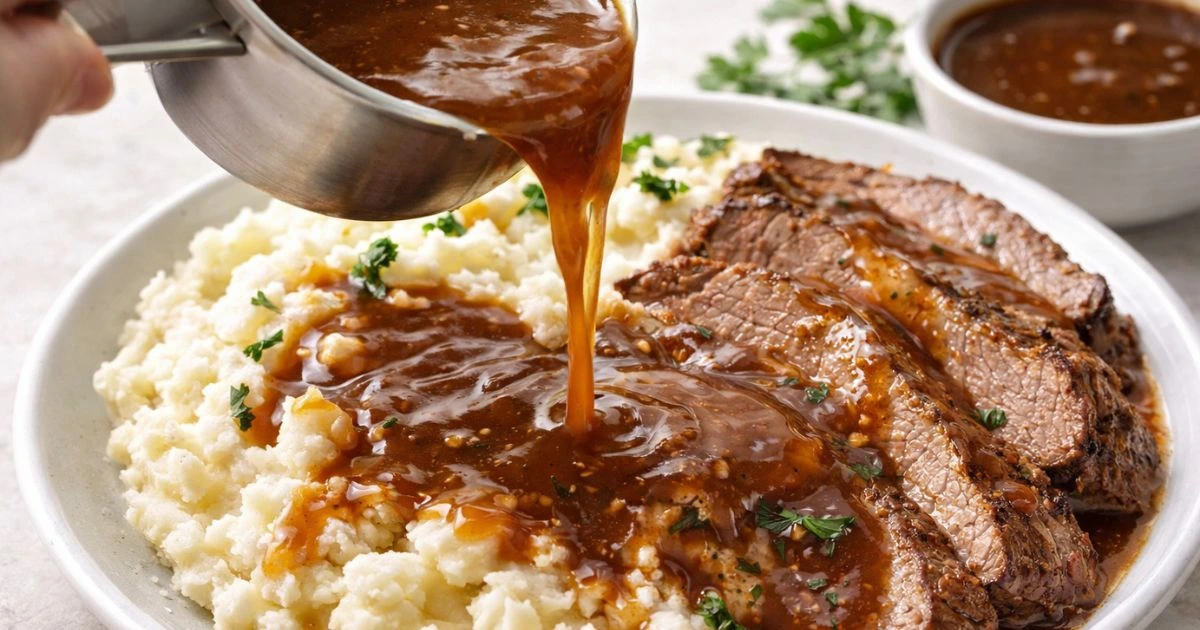
Easy Beef Gravy Recipe in 10 Minutes (Smooth & Flavorful)
There are nights when you crave comfort on a plate. Warm, simple, and reliable, it’s what we all need sometimes. Maybe it’s the smell of a Sunday roast or gravy with mashed potatoes that feels like home. This easy beef gravy recipe aims to bring that feeling to you.
This guide will teach you to make the best beef gravy from scratch. You can use pan drippings from a roast or store-bought broth for a quick fix. You’ll learn how to make a lump-free roux and get the perfect thickness. Plus, there are tips for adding extra flavor with Worcestershire or fresh herbs.

Key Takeaways
- This homemade beef gravy uses simple ingredients and beef drippings for deeper flavor.
- Follow a basic roux and steady whisking to avoid lumps and get smooth texture.
- Adjust thickness with extra broth or a cornstarch slurry as needed.
- Easy variations include quick stovetop versions and low-sodium swaps.
- Store gravy in the fridge or freeze portions for fast reheating later.
Why You’ll Love This Easy Beef Gravy
The first spoonful will wow you. It’s velvety and glossy, perfect for mashed potatoes or roast beef. The beef umami comes from pan drippings or broth, adding depth. This gravy is smooth and rich, with little effort.
Making classic beef gravy is easy with common ingredients. Use flour, butter or fat, and beef broth. Add salt and pepper for flavor. Saved drippings make it taste better than store-bought packets.
This recipe is great for any day. It takes 10–20 minutes to make. For a quicker version, use store-bought broth. Serve it with roast beef for special occasions or on weeknights for a flavor boost.
Here’s a quick guide to help you choose the best method for your needs.
| Approach | Time | Flavor Strength | Best Use |
|---|---|---|---|
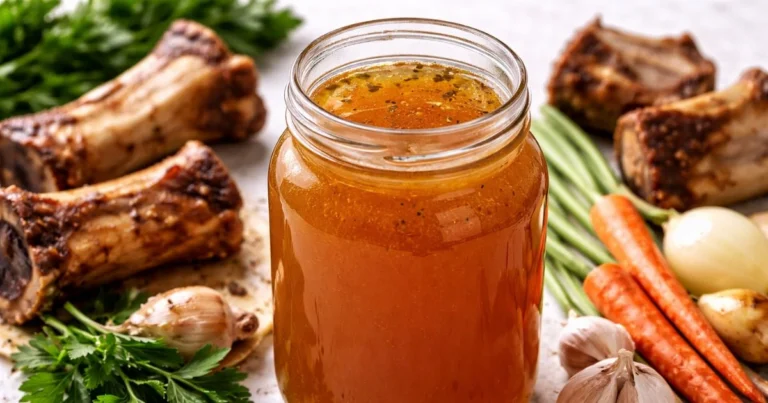
| Beef drippings + homemade broth | 15–20 minutes | Very high, deep umami | Holiday roasts, dinner parties |
| Pan drippings + store-bought broth | 10–15 minutes | High, quick and reliable | Weeknight roast beef, mashed potatoes |
| No drippings, store-bought broth | 8–12 minutes | Good, classic beef flavor | Faster meals, when you need beef gravy from scratch fast |
beef gravy recipe
This section explains what you’ll find in this beef gravy recipe. When you search for beef gravy, you’re looking for easy steps to make a smooth, flavorful sauce. This recipe offers reliable methods and real ingredients for homemade-tasting gravy every time.
Keyword focus and what this recipe delivers
People searching for beef gravy want clear, practical guidance. You’ll get detailed instructions, timing tips, and fixes for texture and taste. The recipe covers getting pan drippings, making a roux, and adding broth for the perfect consistency.
How this version compares to classic beef gravy
Classic beef gravy uses pan drippings, a roux, and simmered broth for its rich flavor. Some shortcuts use store-bought stock or a cornstarch slurry for quicker results. This recipe combines traditional techniques with easy tips for making classic beef gravy without mistakes.
Who this recipe is best for (beginners to home cooks)
If you’re new to cooking, the recipe’s clear steps and measurements are perfect for learning. Experienced home cooks will find tips on controlling thickness, adjusting seasoning, and enhancing flavor to improve their gravy.
Ingredients for Homemade Beef Gravy
Choosing the right ingredients is key to a great homemade beef gravy. Start with a strong flavor base. Then, add pantry staples for texture. Lastly, pick optional boosters to match your meal.
Essential items and why they matter
Beef drippings or pan juices are the heart of your gravy. They come from roasting beef or searing steaks. They give your gravy a rich, savory taste.
Beef broth or stock, preferably low-sodium, adds body and flavor. You can also use concentrated stock or bouillon if needed.
Butter or reserved beef fat is crucial for a smooth roux. It also makes the sauce silky.
All-purpose flour is your thickening agent. For gluten-free options, use cornstarch or a gluten-free flour blend.
Salt and freshly ground black pepper are simple but essential. They balance the flavors and highlight the meatiness.
Optional flavor boosters and what they do
Worcestershire sauce or reduced-sodium soy sauce add umami. They deepen the savory taste of your gravy.
Tomato paste adds a touch of acidity and color. It enriches the flavor without overpowering it.
Aromatics like sautéed onion, garlic, bay leaf, thyme, or rosemary add complexity. They also make your gravy smell inviting.
A splash of heavy cream or a pat of butter at the end adds gloss. It makes your gravy richer and more luxurious.
Tools and equipment you’ll need
A heavy skillet or roasting pan is perfect for collecting drippings. A separate small saucepan works if you prefer making gravy off the roast pan.
Measuring cups and spoons help keep your roux consistent. This ensures a smooth gravy.
A fine-mesh strainer removes solids from the drippings. This keeps your sauce smooth and clear.
A whisk is essential for blending the roux and broth. It makes your easy beef gravy recipe smooth.
| Role | Ingredient / Tool | Why it matters |
|---|---|---|
| Flavor base | Beef drippings | Primary source of concentrated beef flavor collected after roasting or searing |
| Body | Beef broth (low-sodium) | Adds volume and deepens savory notes without overwhelming the drippings |
| Fat for roux | Butter or reserved beef fat | Creates a smooth roux and lends a glossy texture |
| Thickener | All-purpose flour (or cornstarch GF) | Controls gravy thickness; easy swap for gluten-free needs |
| Umami boost | Worcestershire or soy sauce | Enhances depth and savory complexity in homemade beef gravy |
| Aromatics | Onion, garlic, bay leaf, thyme | Builds aroma and layered flavor for a traditional beef gravy |
| Finishing | Butter or heavy cream | Adds richness and sheen to the finished gravy |
| Tools | Skillet, saucepan, whisk, strainer, measuring tools | Ensure smooth texture, proper consistency, and easy preparation |
Step-by-Step: How to Make Beef Gravy from Scratch
Start with warm pans and clear steps for the best beef gravy. Gather your tools, set the heat to medium, and keep a whisk and fine-mesh sieve nearby. Follow the steps to collect drippings, make a smooth roux, add broth, and season for a glossy sauce.
Collect drippings and deglaze the pan
After roasting beef, tilt the pan and skim off excess fat until about 2–4 tablespoons remain. Pour the remaining juices into a fat separator or measure them to use as part of your liquid. Add a splash (1/4–1/2 cup) of red wine, sherry, or broth to the hot pan. Use a wooden spoon to scrape the browned bits and dissolve that fond into the liquid for deep flavor.
Make a smooth roux without lumps
In a saucepan, melt 2 tablespoons of butter or reserved fat over medium heat. Sprinkle in 2 tablespoons of all-purpose flour and whisk constantly for 1–2 minutes to cook off the raw flour taste. Cook a bit longer if you want a light brown color for more robust flavor, but stop before any bitterness develops.
Slowly whisk in broth for perfect consistency
Warm about 2 cups of beef broth and add it in a steady stream while you whisk vigorously. If your drippings are concentrated, reduce the extra broth. Keep whisking until the mixture is smooth and bring it to a gentle simmer. The gravy thickens as it heats.
Simmer and season to taste
Lower the heat and simmer for 3–8 minutes to develop flavor and reach the right thickness. Season with salt, freshly ground black pepper, and a dash of Worcestershire or soy sauce for umami. Strain through a fine-mesh sieve for an ultra-smooth texture, then stir in a tablespoon of cold butter or a splash of cream for sheen and rounded flavor.
| Step | Action | Tip |
|---|---|---|
| Collect drippings | Reserve 2–4 Tbsp fat, separate juices, deglaze with 1/4–1/2 cup liquid | Use a fat separator for clear measurement and less grease |
| Roux | Melt 2 Tbsp butter or fat, whisk in 2 Tbsp flour for 1–2 min | Whisk constantly to avoid lumps and raw flour taste |
| Add broth | Pour warm 2 cups beef broth in a steady stream while whisking | Adjust broth if drippings are concentrated to control thickness |
| Simmer & season | Simmer 3–8 min, season with salt, pepper, Worcestershire or soy | Strain and finish with cold butter or cream for shine |
Tips for Lump-Free Gravy and Perfect Thickness
Creating smooth, lump-free gravy is all about technique and small tweaks. Start with the right roux ratio and whisk carefully while controlling the heat. Knowing how to adjust the thickness without losing flavor is key. These tips will help you make a delicious beef gravy for any occasion.
Proper roux technique and flour-to-fat ratio
For most recipes, use equal parts fat and flour by volume. Start with 2 tablespoons of butter or beef fat and 2 tablespoons of flour for 1–2 cups of liquid. Cook the roux briefly to remove the raw flour taste. Longer cooking time adds deeper color and flavor but reduces thickening power.
How to whisk and temperature control
Use warm broth instead of cold when adding it. Add the liquid slowly while whisking hard to mix the roux well. Keep the heat at medium. High heat can cause lumps, while low heat might leave a floury taste.
Adjusting thickness with cornstarch slurry or extra broth
To thin the gravy, add warm broth a tablespoon at a time off the heat. For thickening, mix cornstarch with cold water to make a slurry. Then, whisk it into simmering gravy and cook for 1–2 minutes. You can also make a flour paste by mixing flour with a little cold liquid before adding it.
Choose the finish you prefer. Cornstarch makes a clearer sauce, while flour-based roux gives a richer taste. Use these options to adjust the consistency and gloss for the perfect gravy.
Flavor Boosters to Make the Best Beef Gravy
Adding a few special ingredients can make your homemade beef gravy unforgettable. These small changes enhance the flavor without overpowering your roast or mashed potatoes. They help create a savory beef gravy that stays true to its roots.

Start by adding one teaspoon of Worcestershire sauce or low-sodium soy sauce when you begin simmering the gravy. This small amount boosts the beef flavor without making it taste like the sauce. If you have anchovy paste, a small amount adds a lot of umami without being noticeable.
For a richer taste, add a splash of beef demi-glace or a spoonful of Kitchen Basics beef stock concentrate. These ingredients add depth and boldness to your gravy.
Aromatics
Before making the roux, sauté finely chopped onion or shallot in the fat until they’re soft and translucent. This releases their natural sweetness. Then, add minced garlic and cook until it’s fragrant but not burnt. Burnt garlic can make the gravy bitter.
While the gravy simmers, add a bay leaf, a sprig of thyme, or a small piece of rosemary. Remove them before serving. These herbs add subtle, layered flavors that enhance the meat without overpowering it.
Finishing touches
Just before serving, stir in 1 tablespoon of butter or 1–2 tablespoons of heavy cream. This enriches the texture and adds a glossy finish. A sprinkle of chopped flat-leaf parsley adds color and freshness. For convenience, use a quality bouillon like Knorr or a trusted beef stock brand.
For the best beef gravy, balance is crucial. A touch of umami, careful aromatics, and a silky finish transform a simple sauce into a savory, traditional beef gravy.
Common Gravy Mistakes and How to Fix Them
Gravy can make or break a meal. You might face issues like a thin texture, a sauce that’s too thick, or a bitter taste. Here are quick fixes to ensure your beef gravy is smooth, flavorful, and reliable every time.
Too thin? How to thicken without clumps
If your gravy is too thin, simmering can help. It reduces and concentrates flavors while thickening naturally. For quicker thickening, mix a cornstarch slurry (1 tbsp cornstarch + 1 tbsp cold water) until smooth. Then, add it slowly to the simmering gravy.
You can also use a beurre manié. Mix equal parts softened butter and flour until smooth. Drop small bits into the hot gravy and whisk. This method thickens without lumps.
Too thick? How to thin without losing flavor
When gravy is too thick, warm broth or hot water can help. Add liquid a little at a time off the heat to avoid texture changes. If thinning makes it taste less rich, add a splash of Worcestershire, a pinch of bouillon, or a teaspoon of tomato paste. These small additions keep your gravy tasting robust.
Bitter or floury taste fixes
A roux cooked too long can taste bitter. To fix, dilute the gravy with more stock and add a tiny pinch of sugar or a splash of vinegar or lemon. Finish with a knob of butter or a touch of cream to round out the flavor.
If the gravy tastes like raw flour, the roux needs more cooking. Return the pan to moderate heat and cook the roux longer before adding liquid. This step removes the raw taste and keeps your gravy rich and smooth.
| Problem | Quick Fix | Flavor Tip |
|---|---|---|
| Too thin | Simmer to reduce or add a cornstarch slurry gradually | Use pan drippings or concentrated beef broth from the beef gravy recipe |
| Too thick | Thin with warm broth or water a little at a time | Restore depth with Worcestershire, bouillon, or tomato paste |
| Bitter roux | Dilute with stock and balance with sugar or acid | Finish with butter or cream for the best beef gravy sheen |
| Floury/raw taste | Cook the roux longer over moderate heat before adding liquid | Use a beurre manié to thicken without reintroducing raw flour flavor |
Serving Ideas: What to Serve with Savory Beef Gravy
Make your homemade beef gravy the star of the plate by pairing it with items that soak up flavor and offer contrast. Use this section to explore classic matches and creative swaps that turn a simple beef gravy recipe into a memorable meal.
Mashed potatoes and why they pair perfectly
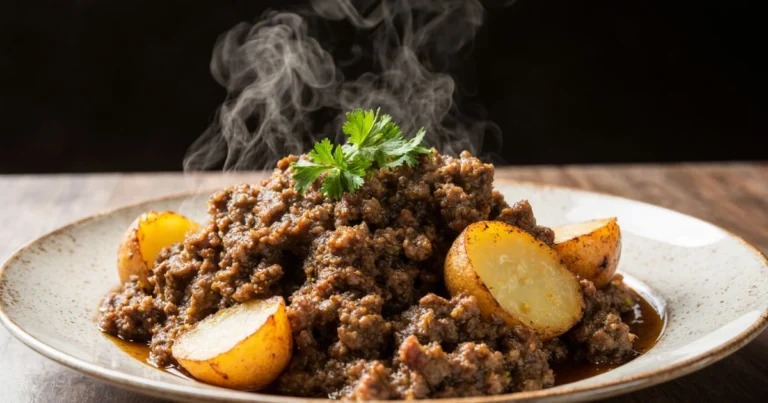
Mashed potatoes and gravy form a classic duo because creamy, buttery potatoes absorb rich sauces. When you are serving beef gravy over potatoes, choose texture based on the meal. Whipped potatoes create a silky base that highlights the gravy’s depth. Chunky, rustic mash brings bite and contrast.
Season your potatoes with butter, warm cream, and a pinch of salt before ladling on mashed potatoes gravy. If your gravy is intense, add a touch more dairy to the potatoes to balance the savory beef gravy without masking its beefy notes.
Serving over rice, biscuits, and roasted meats
Pour warm gravy over steamed rice or buttered biscuits for quick comfort food. Rice soaks up sauce without overpowering it, while biscuits add flaky layers to every bite.
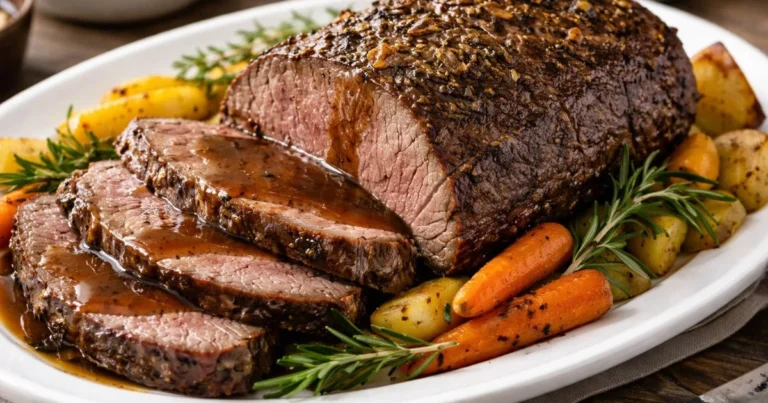
Pair savory beef gravy with roasted or pan-seared meats like roast beef, meatloaf, or sirloin. Use a spoon to finish plates with a glossy coat. For roast vegetables, drizzle a few tablespoons to add moisture and umami without sogging the dish.
Using gravy as a sauce for sandwiches and poutine
Turn gravy into a sandwich sauce for French dip and pot roast melts. Serve a small bowl of au jus beside the sandwich so diners can dip and control moisture. For poutine, arrange hot fries and fresh cheese curds, then ladle hot beef gravy to melt the curds and glue the components together.
Presentation matters when serving beef gravy. Keep it warm in a gravy boat for table service or ladle directly onto each plate for family-style meals. When portioning, use 1/4 to 1/2 cup per serving as a starting point and adjust to taste.
| Pairing | Why it works | Serving tip |
|---|---|---|
| Mashed potatoes | Creamy texture absorbs sauce and balances intensity | Use whipped for silky mouthfeel or chunky for contrast; add butter and cream |
| Steamed rice | Neutral base that soaks up flavor without competing | Serve hot and ladle gravy just before serving |
| Biscuits | Flaky layers offer texture contrast and hold sauce | Split and toast lightly, then spoon gravy over top |
| Roasted meats (roast beef, sirloin, meatloaf) | Enhances natural beef flavors and adds moisture | Make gravy from pan drippings for best match |
| Sandwiches (French dip, pot roast) | Provides dipping sauce and moistens fillings | Serve au jus in a small bowl for dipping |
| Poutine (fries + cheese curds) | Hot gravy melts curds and binds ingredients | Use piping-hot gravy and serve immediately |
Easy Variations of Traditional Beef Gravy
Explore a few easy ways to make beef gravy that fit your schedule and taste. These methods keep the comfort of classic beef gravy but offer different levels of richness and ease. Choose the one that matches your meal and cooking skills.

Classic pan-drippings version
Save the pan drippings when roasting a beef joint. Use a bit of red wine or 1–2 cups of beef broth to deglaze the pan. This will loosen the browned bits. Strain it if you want a smooth gravy.
For a reliable gravy, use this ratio: 2 tablespoons of fat and 2 tablespoons of flour for every 1–2 cups of liquid. Slowly add the deglazed liquid and broth while whisking. This will make a glossy, authentic classic beef gravy.
Quick stovetop shortcut
Need a quick fix? Start with 2 cups of store-bought beef broth or low-sodium stock. Skip the drippings and add depth with a teaspoon of beef bouillon or a small splash of soy sauce.
Make a quick roux by melting 2 tablespoons of butter or fat. Stir in 2 tablespoons of flour until it’s nutty. Then, whisk in the hot broth. A fresh roux gives a better taste for a quick and easy beef gravy.
Low-sodium and gluten-free adaptations
For low-sodium gravy, use low-sodium broth and reduce added salt. Add a teaspoon of vinegar or a splash of Worcestershire for flavor. Fresh herbs like thyme or a bay leaf add aroma without salt.
To make gluten-free gravy, use a cornstarch slurry instead of flour. Mix 1–2 tablespoons of cornstarch with cold water, then whisk into simmering broth. You can also use a gluten-free flour blend for a roux if you prefer.
For dairy-free gravy, swap butter for beef fat or a neutral oil. Finish with a little olive oil for sheen. These changes keep the essence of beef gravy while meeting dietary needs.
| Variation | Key Steps | Best For |
|---|---|---|
| Pan-drippings | Reserve 2 tbsp fat, 2 tbsp flour per 1–2 cups liquid; deglaze with wine or broth; whisk and strain | Roast dinners, full-flavored classic beef gravy |
| Quick stovetop | Use 2 cups store-bought broth; quick roux with 2 tbsp fat and 2 tbsp flour; boost with bouillon if needed | Weeknight meals, fast easy beef gravy recipe |
| Gluten-free | Use 1–2 tbsp cornstarch slurry or gluten-free flour for roux; simmer until clear and thickened | Gluten-free diets, clean-texture gravy |
| Low-sodium / Dairy-free | Low-sodium broth, reduce added salt; use oil or beef fat instead of butter; add acid or herbs for flavor | Lower-sodium diets, dairy-free needs, healthier options |
Storage and Reheating Tips for Homemade Beef Gravy
To keep your beef gravy perfect, cool it fast, store it right, and reheat carefully. Follow these steps to keep your sauce smooth and tasty, whether you use it soon or later.
How to store gravy in the fridge and freezer
Cool your homemade beef gravy to room temperature within two hours. Put it in airtight containers or wide-mouth jars to chill faster. Make sure to label each container with the date and what’s inside.
Keep it in the fridge for 3–4 days. For longer, freeze it in heavy-duty bags or containers for up to three months. Freezer bags should be laid flat to save space and thaw faster.
Best methods to reheat without breaking texture
To reheat beef gravy, warm it over low heat and stir often. If it’s thickened, add warm beef broth or water slowly while whisking. This will help you get the right consistency.
Thawed gravy should be reheated on the stovetop for a smooth texture. Add a bit of butter at the end to enhance flavor and texture.
Freezing portions for quick future meals
Freezing in portions makes reheating easy. Freeze in 1-cup servings or use ice cube trays for single servings. Once frozen, move the cubes to labeled freezer bags.
For a quick sauce, thaw overnight in the fridge or use the microwave defrost setting. Warm it gently on the stove and whisk in more broth if needed to avoid lumps.
| Storage Method | Container Type | Max Storage Time | Reheat Tip |
|---|---|---|---|
| Refrigeration | Airtight container or jar | 3–4 days | Warm over low heat, add broth if thick |
| Freezing (1-cup) | Freezer-safe container or heavy-duty bag | Up to 3 months | Thaw overnight, reheat on stovetop |
| Freezing (cubes) | Ice cube tray then freezer bag | Up to 3 months | Defrost single cubes, whisk with warm liquid |
| Quick microwave thaw | Microwave-safe dish | Use immediately after thaw | Defrost at low power, finish on stove |
Nutrition and Dietary Considerations
Small changes in making gravy at home can make a big difference in nutrition. You can make it gluten-free or lower in sodium without losing flavor. Here are some clear numbers and practical swaps to help you.
Calorie and macronutrient overview
A typical pan gravy has 120–180 calories per 1/4 cup. Most of these calories come from fat. The carbs come from flour, and protein is low unless you use concentrated beef stock.
Allergy and dietary swaps
For gluten-free gravy, use a cornstarch or arrowroot slurry instead of flour. Mix 1 tablespoon cornstarch with cold water and whisk into hot broth. For dairy-free, use rendered beef fat, canola, or extra-virgin olive oil instead of butter. Skip cream for a lighter gravy.
If you have vegetarians at the table, offer a mushroom-based gravy. It’s savory and doesn’t pretend to be beef.
Reducing sodium while keeping flavor
To make low-sodium gravy, start with low-sodium broth and skip added salt. Use reduced-sodium Worcestershire, roasted onions, garlic, and fresh herbs like thyme and rosemary. A splash of vinegar or lemon can enhance flavors without adding sodium.
Here’s a comparison to help you choose based on diet and flavor preferences.
| Version | Typical 1/4 cup Calories | Main Macros | Key Swap | Flavor Notes |
|---|---|---|---|---|
| Classic pan gravy | 140–180 kcal | High fat, some carbs, low protein | Butter + all-purpose flour | Rich, silky, traditional beef flavor |
| Gluten-free beef gravy | 120–160 kcal | Moderate fat, carbs from starch, low protein | Cornstarch or arrowroot slurry | Clearer, slightly lighter mouthfeel |
| Dairy-free adaptation | 130–170 kcal | Fat from oil or rendered beef fat, low carbs | Canola or olive oil | Robust, slightly different mouth-coating |
| Low-sodium beef gravy | 120–165 kcal | Similar to classic depending on fat used | Low-sodium broth, reduced-sodium Worcestershire | Savory with brighter acid and herb notes |
Conclusion
You can make a rich, smooth, deep-flavored beef gravy at home. Use beef drippings, good broth, and simple pantry staples. Mastering a proper roux, controlling heat, and adding liquid slowly is key. This turns a basic sauce into the best beef gravy for any meal.
Start by collecting and deglazing pan drippings to capture maximum flavor. Whisk thoroughly to avoid lumps. If the gravy is too thin, use a cornstarch slurry. If it’s too thick, add extra broth.
Small boosters like Worcestershire, sautéed onion or garlic, and a finishing pat of butter can enhance the flavor. Try variations like low-sodium broth, gluten-free flour, or a splash of cream. Store leftovers in the fridge or freezer for quick meals.
Use this homemade beef gravy to elevate mashed potatoes, rice, biscuits, roasted meats, sandwiches, or poutine. Revisit the recipe whenever you want to make beef gravy that tastes like restaurant quality.
FAQ
What is the easiest way to make beef gravy from scratch?
Start by saving 2–4 tablespoons of beef fat or butter from your roast. Mix equal parts fat and flour (2 tbsp each) to make a roux. Then, slowly add about 2 cups of warm beef broth while whisking until smooth.Simmer for 3–8 minutes to thicken. Season with salt, pepper, and a dash of Worcestershire or soy sauce. Strain if needed. Finish with butter or cream for a glossy look.
How do I prevent lumps in my beef gravy?
First, cook a roux by whisking together fat and flour for 1–2 minutes. This removes the raw flour taste. Add warm broth slowly while whisking hard to mix well.Keep the heat medium. Too high can cause lumps, too low may taste raw. If lumps form, strain the gravy or blend briefly. For a quick fix, add a cornstarch slurry to simmering gravy.
Can I make beef gravy without pan drippings?
Yes, you can. Use 2 cups of good-quality beef broth and a bit of butter or oil for the roux. Add a teaspoon of beef bouillon or a splash of Worcestershire sauce for depth. This quick version still tastes rich and savory.
How do I adjust the thickness of my gravy?
To thin, whisk in warm broth or water a tablespoon at a time off heat. To thicken, simmer gently or whisk in a cornstarch slurry. You can also use beurre manié for a smooth finish.
My gravy tastes bitter or floury—how can I fix it?
If the roux is bitter, dilute with more stock and balance with a pinch of sugar or acid. If it tastes raw or floury, cook the roux longer before adding liquid. To rescue it, simmer gently and finish with butter or cream.
What are simple flavor boosters for beef gravy?
Add Worcestershire sauce or soy sauce for umami. Tomato paste adds acidity and color. Red wine or sherry can enhance flavor. Sautéed shallot or onion, garlic, bay leaf, thyme, or rosemary add depth.Finish with cold butter or heavy cream for sheen and richness. Use Kitchen Basics beef stock or Knorr bouillon for a reliable base.
How should I store and reheat homemade beef gravy?
Cool to room temperature in 2 hours, then refrigerate in airtight containers. It lasts 3–4 days or can be frozen for 3 months. Reheat gently, whisking often. If thickened, thin with warm broth.Thaw frozen portions in the fridge or defrost in a microwave before reheating.
Can I make gluten-free or low-sodium beef gravy?
For gluten-free, skip wheat flour and use cornstarch or arrowroot slurry. For low-sodium, use low-sodium broth and herbs for flavor. Use beef fat or oil instead of butter for dairy-free.
What dishes work best with beef gravy?
Beef gravy is great over mashed potatoes, rice, roasted meats, and biscuits. It’s also good as au jus for French dip sandwiches or poutine. Serve warm for the best look.
How long does beef gravy last and can I freeze it?
Gravy lasts 3–4 days in the fridge. Freeze in containers or bags for up to 3 months. Portion into 1-cup containers or freeze in ice cube trays for single servings.
Is there a quick stovetop shortcut for busy nights?
Yes, use 2 cups of beef broth, 2 tbsp butter or oil, and 2 tbsp flour for a quick roux. Whisk in warm broth, simmer, and season. Add bouillon or demi-glace for extra depth. This makes a tasty gravy in 10–20 minutes.