7 Juicy New York Cut Steak Recipes to Try
Table of Contents
Ever had a week brightened by a cold beer, a sunset walk, or a perfectly cooked steak? This guide is for you if you want to make that restaurant moment at home. I’ve spent hours perfecting these recipes so your dinner is easy, confident, and delicious.

This article shares seven reliable new york cut steak recipes. You’ll learn the best pan-searing, grill, and oven methods. Plus, bold marinades and a quick weeknight recipe that’s still special.
You’ll discover how to cook new york strip steak with ease. I’ll share time and temperature targets, seasoning and resting tips, and finishing touches. The New York strip is perfect for stovetop, grill, or oven, so you can choose based on your mood and gear.
Key Takeaways
- Seven distinct new york cut steak recipes cover pan-sear, grill, oven, marinades, and weeknight methods.
- Step-by-step how to cook new york strip steak guidance with time and temperature targets.
- Practical tips for seasoning, resting, and finishing to boost juiciness and flavor.
- Simple marinades and bold flavor variations to expand your weekday and weekend menus.
- Serving and pairing ideas to make each steak feel restaurant-quality at home.
Why New York Cut Steak Deserves a Spot on Your Menu
The New York cut, also known as the New York strip, comes from the short loin. It’s leaner than ribeye and firmer than tenderloin. You get a strong beefy taste and a chewy texture that’s perfect for bold flavors and searing.
What makes a New York cut steak unique
The strip has a thin fat edge that creates a golden crust. It also has a small cap muscle for extra texture and flavor. This makes the New York strip a great base for many recipes, letting the meat shine.
How marbling and thickness affect flavor and cooking
Marbling is the fat inside the meat. More marbling means juicier and richer meat. USDA Prime and Choice have more marbling, which helps with searing and flavor.
Thickness is key for cooking. Steaks 1–1.5 inches are perfect for pan-searing. Thicker steaks can be cooked in the oven or with reverse-sear. Thin steaks cook fast and can dry out before getting a crust.
Choosing the right grade and source for the best results
For the best taste, go for USDA Choice or Prime. Choice is a good balance of price and flavor. Prime is richer and better for searing.
Where you buy matters. Local butchers and places like Whole Foods offer fresher cuts. Grass-fed beef is leaner with a stronger flavor. Grain-finished beef is fattier and tastes buttery. Choose based on what you like and how you cook.
Keep beef fresh and safe. Store it cold and handle it properly. This ensures your steak is both delicious and safe to eat.
Essential tools and pantry staples for New York cut steak recipes
Before you start cooking, make sure you have the right tools and pantry items. The right gear makes prep easier, helps you get a great sear, and ensures perfect doneness. Here are the must-haves for stovetop, grill, and oven methods.
Must-have kitchen tools for perfect sear and even cooking
A cast-iron skillet is key for a heavy-bottomed pan that holds heat well. It’s perfect for pan-seared steaks.
An Instant-read digital thermometer is essential. It gives fast, accurate readings for consistent doneness.
Use tongs to flip steaks without piercing them. Oven mitts protect your hands when moving hot pans.
A wire rack and sheet pan are great for oven cooking. They help avoid steaming and collect juices.
For grilling, a grill brush keeps grates clean. A probe thermometer monitors internal temperature.
Pantry staples and seasoning blends to keep on hand
Salt and pepper are the base of great steak seasoning. Use Morton kosher or Diamond Crystal kosher salt and freshly ground black pepper.
Avocado or grapeseed oil prevents burning during high-heat searing. Keep unsalted butter for basting and finishing.
Garlic and fresh herbs like thyme and rosemary add flavor. Soy sauce and Worcestershire sauce are good for marinades and glazes.
For sweeter, smoky layers, store brown sugar and smoked paprika.
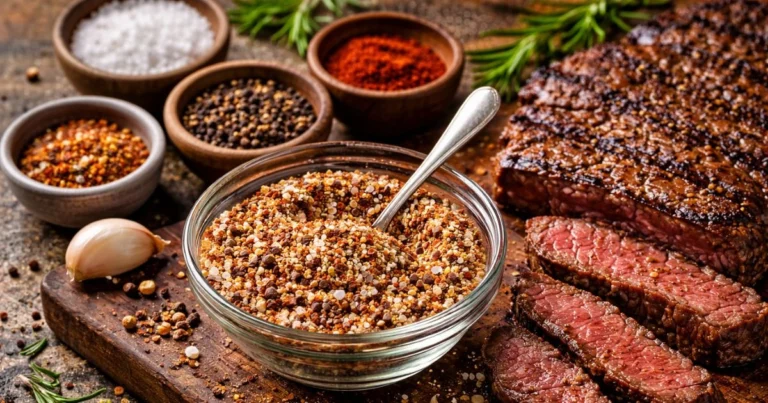
Mix a simple steak seasoning from coarse salt, coarse black pepper, and garlic powder. Use Montreal steak seasoning for a classic taste. A smoked paprika plus brown sugar rub adds sweetness.
How to select cookware for stovetop, grill, and oven methods
For stovetop, choose a heavy cast-iron skillet or a thick-gauge stainless steel pan. Preheat the pan until it’s hot but not smoking.
Grill with a gas or charcoal grill set up for sear and finish. Stainless-steel or cast-iron grates give clear marks and even contact.
In the oven, use an oven-safe skillet or a sheet pan with a wire rack. Broiler pans are good for final high-heat finishing.
Keep your cookware in good shape. Calibrate your thermometer and preheat fully to improve sear and cooking time.
| Item | Brand or Type | Role | Best Use |
|---|---|---|---|
| Cast-iron skillet | Lodge | Even heat, superior crust | Pan-searing and sear-then-bake methods |
| Instant-read thermometer | ThermoWorks Thermapen | Fast, precise temperature readings | Check doneness for stovetop and oven baked new york strip steak |
| Probe meat thermometer | Digital grill probe | Continuous internal temp monitoring | Grilled new york strip steak and low-and-slow finishes |
| Wire rack + sheet pan | Heavy-duty stainless | Resting without steaming, oven support | Oven roasts and resting after sear |
| Tongs | Long stainless tongs | Flip without piercing | All cooking methods |
| Grill brush | Stainless bristles or brass | Clean grates for better sear marks | Grilled new york strip steak prep |
| Kosher salt | Morton or Diamond Crystal | Primary seasoning, draws moisture, enhances crust | All steak preparations |
| High-smoke-point oil | Avocado or grapeseed | Prevents burning at high heat | Pan-sear and grill starts |
| Seasoning blends | Montreal, custom rubs | Flavor profiles from classic to sweet-smoky | Dry rubs for grilled or oven methods |
Preparing your steak: trimming, seasoning, and resting
Getting your New York strip ready makes a big difference. Start by trimming carefully, choose the right seasoning, and let it rest. These steps are key for a great steak, whether you’re in a hurry or want to take your time.
How to trim and bring steaks to room temperature
Use a sharp knife to remove silverskin and fat. Keep the thin fat cap for flavor and juiciness. Trim in small strokes to avoid wasting meat.
Take steaks out of the fridge 30–60 minutes before cooking. Thicker cuts might need up to an hour. Cold centers can overcook the outside before the inside warms up.
Seasoning strategies: salt-first vs. marinade-first
Salt-first dry-brining boosts flavor and crust. Salt 40 minutes before cooking for surface seasoning. For deeper seasoning, salt overnight in the fridge, uncovered, to dry the surface.
Use a marinade for added flavor or tenderization. Acid-based mixes work well for short periods. Avoid long marinating times to prevent mushiness.
For well-marbled steaks, skip heavy marinades and keep seasoning simple. A simple salt-and-pepper approach often produces the best results.
Resting times and why they matter for juiciness
After cooking, rest thinner steaks (about 1 inch) for 5–10 minutes. Thicker steaks (1.5–2 inches) need 10–15 minutes. Resting lets juices redistribute for moist bites.
Remember carryover cooking: temperature can rise 3–7°F after removing the steak from heat. Pull the steak a few degrees shy of your target (for example, remove at 125°F for a target 130°F medium-rare).
Keep food safety in mind. Do not leave raw meat at room temperature longer than 2 hours, or 1 hour if ambient temperature exceeds 90°F.
If you want an easy new york strip steak recipe, combine a short dry-brine with a 30–45 minute rest at room temp. For deeper flavor, plan a new york strip steak marinade the night before for tougher or leaner cuts.
Classic New York strip steak recipe

This classic New York strip steak recipe teaches you to get a great crust and juicy center. Use well-aged, 1–1.25 inch steaks for the best results. Dry the meat and season it well with kosher salt and black pepper before cooking.
Simple pan-seared method for a restaurant-quality steak
Heat a heavy cast-iron skillet until it smokes. Add oil and sear the steak for 2–4 minutes on each side. Use a thermometer to check for doneness: 125°F for rare, 130°F for medium-rare, 140°F for medium. For thicker steaks, sear both sides and then finish in a 400°F oven.
Finishing techniques: butter baste, herbs, and aromatics
After searing, lower the heat and add butter, garlic, and herbs. Tilt the pan to coat the steak with the melted butter. Then, let the steak rest for 5–10 minutes to keep it juicy.
Serving suggestions and wine pairings
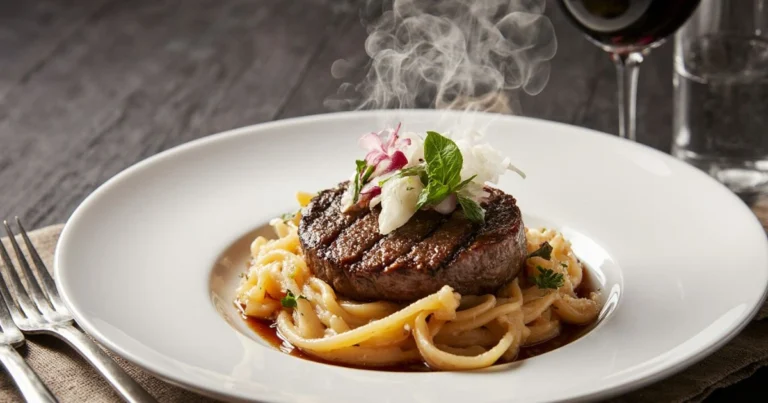
Pair the steak with garlic mashed potatoes, roasted asparagus, or creamed spinach. Add an arugula salad with lemon vinaigrette for a fresh touch. Offer sauces like red wine reduction or peppercorn cream to enhance the flavor.
Choose bold reds like Cabernet Sauvignon or Syrah to pair with the steak. For a leaner preparation, Pinot Noir is a good choice.
| Steak Thickness | Sear Time per Side | Oven Finish (400°F) | Target Temp (Pull when) |
|---|---|---|---|
| 1.0–1.25 inch | 2–3 minutes | Not needed for most | Rare 120–125°F, Medium-rare 125–130°F |
| 1.5–2.0 inch | 3–4 minutes | 4–6 minutes | Rare 120–125°F, Medium-rare 125–130°F |
| Reverse sear (thick cuts) | Low oven then sear | Oven to 115–120°F, then 60–90 sec sear | Pull at 115–120°F then sear to finish |
Wondering how to cook New York strip steak every time? Follow these steps and adjust for thickness and doneness. With practice, you’ll make the best New York strip steak recipe for any occasion.
Grilled New York strip steak for backyard cookouts
Fire up the grill and get ready to turn a simple steak into a backyard showstopper. This section walks you through grill prep, timing targets, and flavor ideas so you can master grilled new york strip steak with confidence.
Prepping the grill and achieving perfect grill marks
Start with clean, oiled grates and set a two-zone fire: direct high heat for searing, indirect medium heat for finishing. For gas grills preheat one side to 500–550°F, then move steaks to the cooler zone to finish. With charcoal, bank the coals to create a hot side and a cooler side for indirect cooking.
Pat steaks dry and brush lightly with oil before they hit the grates. Sear without moving for 2–3 minutes per side to get crisp marks. Rotate each side 45° halfway through to form diamond crosshatch grill marks. If your cut is thicker than 1.25 inches, finish over indirect heat to avoid charring the exterior before the center reaches the right temperature.
Temperature targets for rare through well-done on the grill
Use an instant-read probe for accuracy. Aim for these internal temps after resting: rare 120–125°F, medium-rare 130–135°F, medium 140–145°F, medium-well 150–155°F, well-done 160°F and above. For best texture and juiciness most cooks target medium-rare to medium.
Avoid constant flipping. Sear, then move to indirect heat and monitor temp. When the steak hits 5°F below your target, tent it and let carryover heat finish the cook while juices redistribute.
Flavor variations with wood chips and compound butters
Add soaked wood chips for extra smoke on charcoal grills or in a smoker box on gas grills. Hickory and mesquite give bold smoke, apple and cherry add a sweeter fruit note. Use small, soaked handfuls or a controlled smoker box to avoid overpowering the beef.
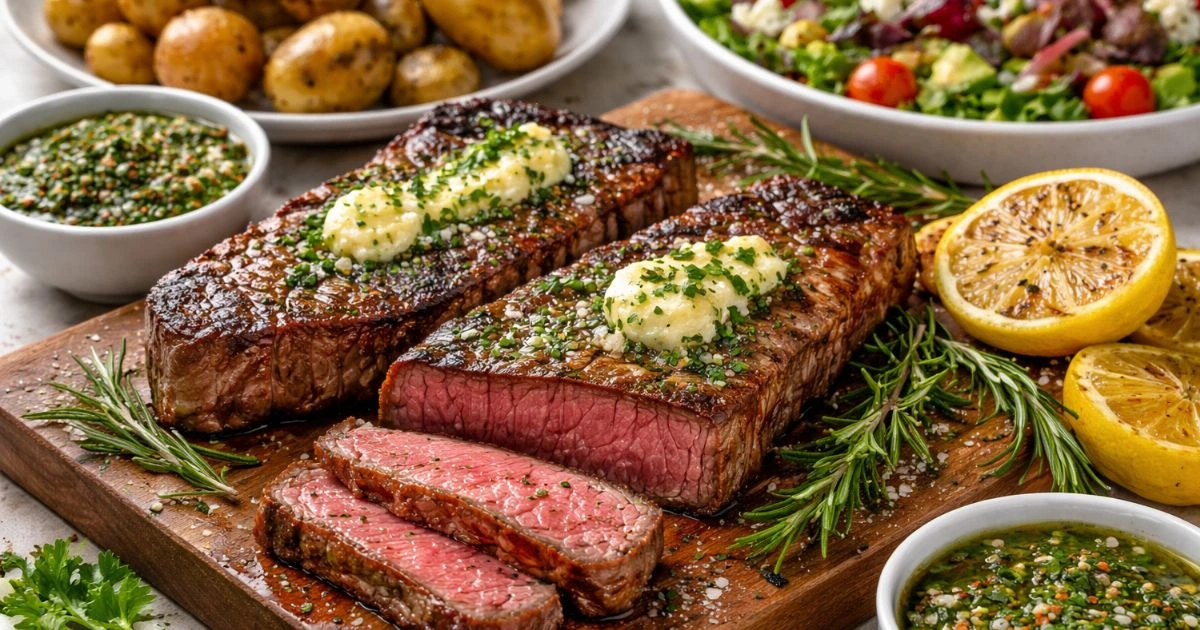
Top the finished steak with a slice of compound butter to lift the flavor. Mix softened butter with chopped parsley, garlic, lemon zest, blue cheese, or smoked paprika. Let it melt over the hot steak, then finish with a sprinkle of flaky sea salt like Maldon to sharpen the crust.
Try these quick references to help when you plan your next cookout. They pair well with many new york cut steak recipes and answer common questions about how to cook new york strip steak on the grill.
| Steak Thickness | Sear Time (per side) | Indirect Finish Time | Target Rest Temp |
|---|---|---|---|
| 1.0 inch | 2–3 minutes | 2–4 minutes | Medium-rare 130–135°F |
| 1.25–1.5 inches | 3–4 minutes | 4–8 minutes | Medium 140–145°F |
| 1.75–2.0 inches | 3–5 minutes | 8–12 minutes | Medium-rare to Medium 130–145°F |
| Wood Chips | Recommended Types | Flavor Profile | Use Tip |
| Soaked | Hickory, Mesquite | Bold, savory smoke | Small amounts for 10–15 minutes |
| Soaked | Apple, Cherry | Sweet, fruity smoke | Pairs well with herb butters |
| Compound Butter | Suggested Mix | Best With | Finish Tip |
| Herb & Garlic | Parsley, thyme, minced garlic | All-purpose | Place on hot steak to melt |
| Blue Cheese | Blue cheese, chives | Rich, tangy profile | Serve slightly chilled for contrast |
Oven baked New York strip steak for hands-off cooking
Oven baking is a reliable way to cook a steak evenly and get a deep crust. It’s less work than other methods. Here are steps, a time chart, and tips to keep your steak juicy and flavorful.

Sear-then-bake method
First, heat your oven to 400–450°F, depending on the steak’s thickness. Use a small amount of oil in an oven-safe skillet to sear the steak. Sear it for 2–3 minutes on each side until it’s brown.
Then, put the skillet in the oven to finish cooking. Use an instant-read thermometer to check the steak’s temperature. This ensures it’s cooked just right.
Oven temperatures and time chart for thickness-based cooking
| Steak Thickness | Oven Temp | Approx. Oven Time After Sear | Target Doneness |
|---|---|---|---|
| 1.0 inch | 400°F | 3–6 minutes | Medium-rare to medium |
| 1.5 inches | 425°F | 6–10 minutes | Medium-rare to medium |
| 2.0 inches | 425°F | 8–12+ minutes (check early) | Medium-rare to medium |
Remember, cooking times can vary. Always use a thermometer to check the steak’s doneness. This way, you’ll get consistent results every time.
Tips for finishing under the broiler and keeping juices sealed
To get a crispy crust, broil the steak for 1–2 minutes after baking. Place the rack 4–6 inches from the broiler. Make sure the broiler is hot before adding the steak.
Don’t overcrowd the pan to avoid steaming. Let the steak rest on a wire rack to keep it crisp. Finish with butter for extra flavor and to keep the juices in.
Always use oven mitts and oven-safe utensils. This easy recipe is perfect for a quick weeknight dinner. It’s simple yet impressive.
New York strip steak marinade and flavor-packed variations
Transform a simple New York strip into a memorable dinner with the right marinades and rubs. Here are classic, bold, and smart timing tips to enhance your steak. Choose between a quick flavor boost or a deeper soak.
Classic mixes
For savory depth, try a Worcestershire-soy blend. Mix soy sauce, Worcestershire, olive oil, garlic, black pepper, and a bit of brown sugar. For brightness, use a balsamic mix with olive oil, Dijon mustard, garlic, and herbs. Enzymatic marinades like pineapple or papaya juice tenderize fast but use them briefly to avoid mushiness.
Bold global profiles
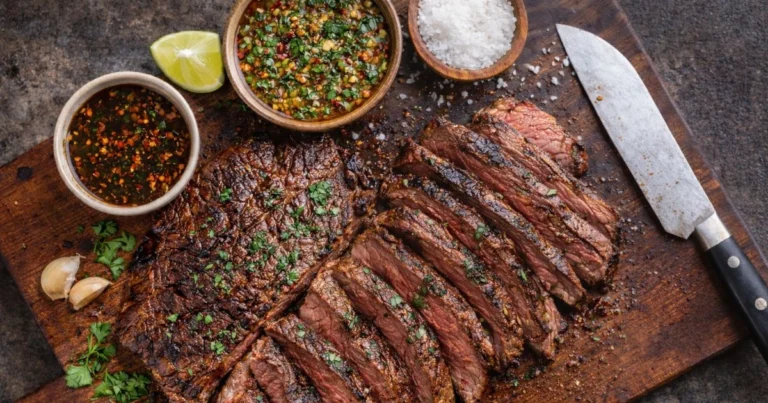
Argentine chimichurri adds a fresh parsley-garlic hit and a splash of red wine vinegar. Spoon it over sliced steak. An Asian-inspired glaze of soy, sesame oil, mirin, ginger, green onions, and chili gives a rich umami flavor. For grilling, a BBQ dry rub with smoked paprika, brown sugar, and spices creates a smoky crust.
Timing and safety
Short marination times of 30 minutes to 2 hours are best for surface flavoring. Thicker steaks benefit from 4–8 hours of marinating. Most marinades should not exceed 24 hours. Acid-heavy mixes can alter texture, so limit them to 2–6 hours. Always marinate in the refrigerator and discard any used marinade unless you boil it first.
When to skip a marinade
High-quality, well-marbled cuts often benefit from dry-brining or a simple salt-and-pepper finish. This lets you taste the beef. Use a marinade when you want distinct flavor or when the cut is leaner or lower grade.
Recipe ideas and quick reference
| Style | Key Ingredients | Ideal Marinate Time | When to Use |
|---|---|---|---|
| Worcestershire-Soy | Soy sauce, Worcestershire, olive oil, garlic, brown sugar | 30 min–4 hrs | Everyday steaks; adds savory-sweet crust |
| Balsamic Bright | Balsamic vinegar, olive oil, Dijon, garlic, herbs | 30 min–2 hrs | Short marination for brightness without softening |
| Enzymatic Tenderizer | Pineapple or papaya juice, minimal oil | 15–45 min | Quick tenderizing for tougher cuts only |
| Chimichurri Finish | Parsley, garlic, olive oil, red wine vinegar | Use as sauce, no long marinate | Sliced steak topping; bright herb flavor |
| Asian Glaze | Soy, sesame oil, mirin, ginger, chili | 30 min–2 hrs | Fast marination or finishing sauce for umami shine |
| BBQ Dry Rub | Smoked paprika, brown sugar, garlic powder, onion powder | 15 min–4 hrs (dry-brine optional) | Grilling for crust and smoke character |
Experiment with these approaches in your favorite new york cut steak recipes. For the best new york strip steak recipe, start with short marination, taste, and adjust. Small changes in time and acid can significantly alter texture and flavor.
Easy New York strip steak recipe for weeknight dinners
You can make a restaurant-style dinner in under 30 minutes with a simple plan. Choose 1–1.25 inch steaks, pat them dry, and season with salt and pepper. Let the pan get very hot before adding oil for a quick brown crust.
Quick pan-sear method with minimal ingredients
Heat a heavy skillet, like a Lodge cast-iron, until it smokes lightly. Sear the steaks 2–3 minutes per side for medium-rare. Add butter and a smashed garlic clove for the last 30 seconds and baste.
Use an instant-read thermometer to check the steaks. Pull them at 125–128°F for medium-rare, then rest 5–7 minutes. This method makes cooking new york strip steak easy and precise.
One-pan sides to serve with your steak for a complete meal
Sear the steak, then push it to the edge of the pan. Add sliced mushrooms to sauté in the pan juices. Toss in par-cooked baby potatoes and finish together for a fast one-pan dinner.
For a sheet-pan option, place seasoned steaks and quick-cooking vegetables like asparagus and cherry tomatoes on a rimmed sheet. Roast at 425°F for 8–12 minutes depending on thickness. This keeps new york cut steak recipes simple and tidy.
Time-saving tips for prepping ahead and reheating
Dry-brine steaks up to 24 hours ahead to boost flavor and reduce last-minute work. Pre-mix rubs, form compound butter, and slice vegetables the night before for faster service.
Reheat gently in a 250°F oven wrapped loosely in foil or briefly in a hot skillet with a splash of beef broth to keep meat juicy. Avoid microwave reheating that dries the steak.
| Task | Prep Time | Cook Time | Key Tip |
|---|---|---|---|
| Pan-seared steak | 5 minutes | 6 minutes (2–3 min per side) | Use high heat and an instant-read thermometer |
| One-pan mushrooms & potatoes | 10 minutes (par-cook potatoes) | 8–10 minutes | Finish in the steak pan to soak up juices |
| Sheet-pan steak & veg | 8 minutes | 8–12 minutes at 425°F | Arrange veggies around steak for even roasting |
| Advance prep (dry-brine, rubs) | Up to 24 hours | 0 minutes | Store steaks uncovered in fridge for better crust |
| Gentle reheating | 0 minutes | 10–15 minutes at 250°F | Wrap loosely in foil and add a splash of broth |
Conclusion
The New York strip is a beefy cut that needs careful attention. Choose high-quality meat and use the right tools like an instant-read thermometer. Master basic prep like trimming, salting, and resting for consistent results.
Try seven different ways to cook a New York strip. You can pan-sear it for a simple meal, grill it for backyard flavor, or bake it in the oven for easy cooking. There are also marinades and quick weeknight methods to save time.
Don’t forget to rest the steak and balance your seasoning to bring out the beef’s flavor. Keep a temperature chart and tool list nearby. Save this guide and try a recipe this week. Share your results with friends and keep exploring new recipes and pairings.
FAQ
What is a New York cut steak and how does it differ from other steaks?
The New York cut, also known as the New York strip or strip steak, comes from the short loin. It’s leaner than a ribeye but has a firmer texture. It has a fat strip along one edge, which adds flavor and helps create a crust.Compared to ribeye, it’s less fatty but still tender. Compared to filet mignon, it has more beefy flavor and chew.
How should you season a New York strip steak for the best crust and flavor?
For most New York strip steaks, a simple seasoning of kosher salt and freshly cracked black pepper is best. Dry-brining by salting 40 minutes to 24 hours ahead can deepen seasoning and crust.If you want bolder flavors, try a Montreal-style steak seasoning or a rub with smoked-paprika and brown-sugar. High-quality, well-marbled strips benefit from minimal seasoning to highlight the beef flavor.
What are the target internal temperatures for New York strip steak doneness?
Use an instant-read thermometer and pull the steak before final target to allow for carryover. Rare is 120–125°F, Medium-rare 130–135°F, Medium 140–145°F, Medium-well 150–155°F, and Well-done 160°F+.For the best texture and juiciness, most cooks aim for medium-rare to medium.
How do you cook a perfect pan-seared New York strip steak?
Preheat a heavy cast-iron skillet until very hot. Pat steaks dry and season. Add a high-smoke-point oil and sear 2–4 minutes per side, depending on thickness.For thicker cuts, finish in a 400–425°F oven or use a reverse-sear. Butter-baste with garlic and thyme for the final minute. Then, rest on a wire rack 5–15 minutes, depending on thickness.
What’s the best way to grill New York strip steaks for even doneness and great grill marks?
Clean and oil grates, then set up a two-zone fire: a hot direct zone for searing and an indirect zone to finish. Preheat grill to high for searing (500–550°F).Sear 2–3 minutes per side without moving for marks, rotate 45° midway for crosshatch. Move to indirect heat to reach your target internal temp. Use soaked wood chips for added smoke and finish with a compound butter if desired.
When should you use a marinade versus a dry-brine for New York strip?
Use a marinade when you want to add distinct external flavor or when working with leaner or lower-grade cuts that need tenderizing. Typical marination time is 30 minutes to a few hours, up to 24 hours for thicker cuts.Avoid long marination with strong acids to prevent mushy texture. For high-quality, well-marbled New York strips, prefer dry-brining or simple salt-and-pepper seasoning to showcase the beef.
How long should you rest a cooked New York strip steak and why?
Rest 5–10 minutes for 1–inch steaks and 10–15 minutes for thicker steaks. Resting lets juices redistribute so slices stay moist. Cover loosely with foil to retain heat without steaming the crust.Remember carryover cooking will raise the internal temp 3–7°F, so remove the steak slightly below your final target.
What tools do you need to reliably cook New York strip steaks at home?
Must-haves include a heavy cast-iron skillet (Lodge), an instant-read thermometer (ThermoWorks Thermapen recommended), sturdy tongs, a wire rack and sheet pan for resting, and a grill brush or smoker box if grilling.Pantry staples include kosher salt (Morton or Diamond Crystal), fresh black pepper, high-smoke-point oil, unsalted butter, garlic, and fresh herbs.
Can you oven-bake New York strip steaks and what method gives the most consistent results?
Yes. The sear-then-bake (or reverse-sear for thick cuts) is highly consistent. Sear both sides in an oven-safe skillet until a crust forms, then transfer to a preheated 400–450°F oven until the desired internal temp.Use an instant-read thermometer rather than relying on time alone. For extra crust, finish under the broiler for 1–2 minutes while watching closely.
What are quick, weeknight-friendly New York strip steak methods and time-saving tips?
For weeknights, choose 1–1.25 inch steaks and pan-sear 2–3 minutes per side for medium-rare. Dry-brine ahead up to 24 hours, pre-mix rubs or compound butter, and use one-pan sides like sautéed mushrooms or par-cooked baby potatoes to finish with the steak.Reheat leftovers gently in a 250°F oven or a hot skillet with a splash of broth to retain juiciness.
How long can you safely marinate a New York strip and how should you store it while marinating?
Marinate in the refrigerator. Short flavor marinades can be 30 minutes to 2 hours; 4–8 hours gives deeper flavor for thicker cuts. Avoid marinating acidic mixes longer than 2–6 hours to prevent a mushy texture.Do not leave raw meat at room temperature more than 2 hours (1 hour above 90°F).
What are popular finishing sauces and compound butters that pair well with New York strip?
Classic finishes include a red wine reduction, peppercorn sauce, chimichurri, and compound butters made with garlic and herbs, blue cheese, or smoked paprika. A pat of herb or garlic butter melting over sliced steak adds richness and shine while chimichurri brings bright, herbaceous contrast.
How should you slice New York strip steak for serving or leftovers?
Always slice against the grain to shorten muscle fibers and improve tenderness. For plated servings or sandwiches, slice thin across the grain. If you’re using leftovers for salads or tacos, thinner slices reheat more quickly and feel more tender.