Beef Round Rump Roast Recipe: 7 Easy Secrets for Tender, Juicy Results
Table of Contents
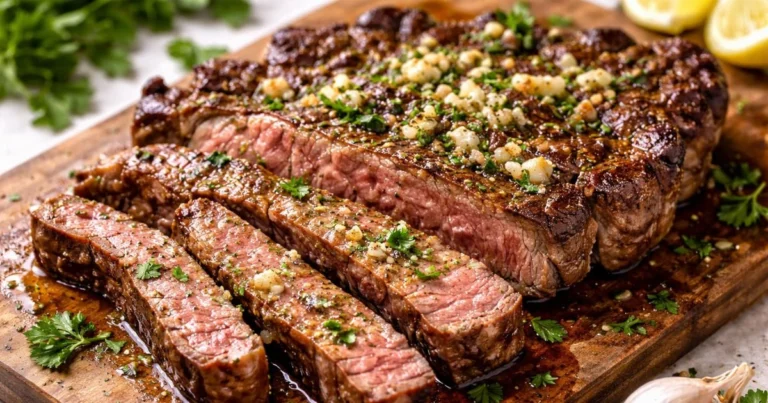
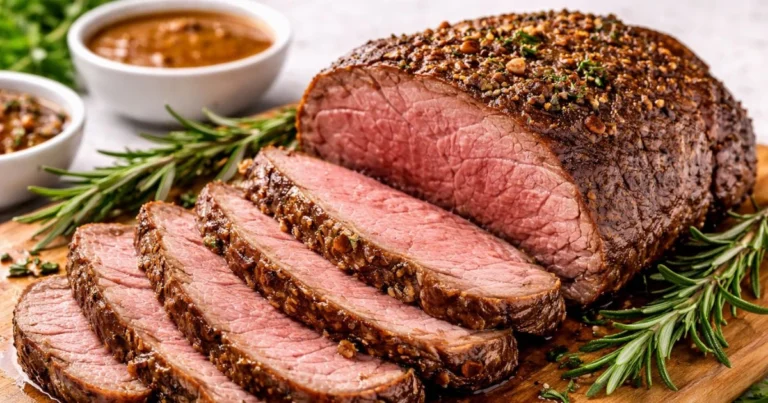
This beef round rump roast recipe is a simple and reliable way to cook a tender, juicy roast using basic ingredients and easy oven roasting methods.
This guide is for you, packed with tips to make a simple rump roast into a memorable dish. You’ll learn how to oven roast, slow cook, and Instant Pot braise. Plus, searing and finishing techniques to enhance this lean cut.
Throughout this article, you’ll find top recipes for beef round rump roast. You’ll get the best dishes and delicious recipes. The writing is straightforward, aimed at home cooks in the U.S. who want easy-to-follow steps and tips.
The guide is divided into twelve sections. You’ll learn about the cut, choosing the right recipe, trimming, and seasoning. There’s also marinating, brining, searing, and various cooking methods. You’ll get tips on sauces, serving, and storing leftovers, along with ideas for using up leftovers.

Key Takeaways
- You’ll learn techniques that make lean rump roast tender and juicy.
- The guide covers oven roasting, slow cooker, Instant Pot, braising, and searing.
- Clear cooking times, temperatures, and finishing tips are included.
- Find practical recipes for beef round rump roast and best beef round rump roast dishes.
- Simple prep, seasoning, and sauce ideas help you serve delicious beef round rump roast recipes every time.
What Is Beef Round Rump Roast and Why It Needs Careful Cooking
The rump roast comes from the cow’s hindquarters. It’s a working muscle with a strong beef flavor. Since it’s lean, you need to cook it carefully to keep it moist and tender.
Definition and where it comes from on the cow
The round primal is at the cow’s rear. Butchers may call it top round, bottom round, or rump. Before cooking, check the label and the grain direction for proper slicing.
Characteristics of the cut: lean, flavorful, and firm
This roast is lean and firm with a strong beef taste. It has less fat than other cuts. Small bands of connective tissue need slow, moist heat to tenderize.
How its leanness affects cooking methods and results
Leanness causes the roast to dry quickly under dry heat. You can roast it to medium-rare or use slow cooking. These methods break down collagen for tender meat without losing flavor.
When cooking, sear first to add flavor, then rest to redistribute juices. This balance makes the roast both savory and tender.
recipes for beef round rump roast
This guide helps you choose the right cooking method. It matches your schedule and tools for the perfect texture. For a dinner centerpiece, use a quick sear and oven roast for slices.
For hands-off, pull-apart beef, pick slow cooker or Instant Pot. Braising is best for rich flavor that soaks into every bite.
How this guide helps you pick the right recipe
Learn which recipes fit busy weeknights and which are worth a long afternoon. Each method includes timing, gear, and expected texture. This makes choosing between sliced medium-rare and shreddable pot roast easy.
Recipe types covered: oven roast, slow cooker, braise, and quick sear
Oven roasting offers even doneness with moderate and low temperatures. Slow cooker pot roast shows how to layer for easy meals. Instant Pot braises cook tender meat in 60–90 minutes.
Stovetop and oven braises add deep flavor. Quick sear is great for thinner rump steaks or starting a roast before finishing in the oven.
Choosing a recipe based on your time and equipment
Plan 2–3 hours for oven roasting, 6–8 hours for slow cooker, and 60–90 minutes in an Instant Pot. Think about your equipment: Dutch oven and oven-safe thermometer for roasts, slow cooker for busy days, and Instant Pot for quick braises. Choose based on desired texture for the best results.
Scale recipes for roast weight by estimating 6–8 ounces cooked per person. Pair with mashed potatoes or roasted vegetables. For tried-and-true options, search popular beef round rump roast recipes that fit your time and tools.
Essential preparation: trimming, tying, and seasoning tips
Before cooking, a little prep makes a big difference. Trimming and tying the roast ensure even cooking and clean slices. Seasoning and simple techniques bring out the best flavor in your beef round rump roast.
How to trim excess fat and silver skin for even cooking
Remove large fat caps but keep a thin layer of fat. This adds flavor and protects the meat. Use a sharp knife and work with steady strokes.
To remove silverskin, slide the blade under the membrane and pull it taut. Then, cut the membrane away with the other hand. Pat the roast dry before searing for a brown crust.
When and why to tie the roast for consistent shape
Tie the roast with twine if it’s uneven. Tie at 1–2 inch intervals to make a uniform shape. This ensures even cooking and attractive slices.
Loop the twine under the roast and tie snugly. Let the roast rest at room temperature for 30–60 minutes. This helps achieve even internal temperature.
Dry rubs, simple salt-and-pepper, and herb blends that work best
Salt early or right before cooking. Use kosher salt and black pepper as a base. They enhance the natural beef flavor.
Dry rub ideas include garlic powder, onion powder, and smoked paprika. Add a touch of brown sugar for caramelization. Rub in oil so the mixture sticks.
Try herb blends like rosemary, thyme, oregano, and bay leaf. These herbs are great for slow braises and oven roasts. They enhance the flavor of your beef round rump roast.
| Prep Step | What to Do | Why It Helps |
|---|---|---|
| Trim fat | Leave 1/8–1/4″ fat cap; remove excess | Preserves flavor while preventing uneven charring |
| Remove silverskin | Slide blade under membrane and pull taut | Improves texture and allows seasonings to penetrate |
| Tie roast | Use butcher’s twine at 1–2″ intervals | Promotes even cooking and neat slices |
| Seasoning timing | Salt early or just before cooking | Enhances moisture retention and crust development |
| Dry rubs | Garlic, onion powder, smoked paprika, brown sugar | Adds depth and caramelization for flavorful beef round rump roast meals |
| Herb blends | Rosemary, thyme, oregano, crushed bay leaf | Brightens flavor in tender beef round rump roast recipes |
Score fat lightly if present to prevent curling. This lets seasonings sink in. Follow these steps for a delicious beef round rump roast.
Marinating and brining techniques to boost tenderness
Marinating and brining can change how you make easy beef round rump roast recipes. These methods add flavor and keep moisture in. You’ll learn how to make acidic and enzymatic marinades, a simple brine, and when to refrigerate.
Acidic vs enzymatic marinades and recommended recipes
Acidic marinades use vinegar, lemon, or wine to tenderize and flavor. Try mixing 1/3 cup olive oil, 3 tablespoons red wine vinegar or Worcestershire sauce, 2 cloves minced garlic, 1 teaspoon Dijon mustard, chopped rosemary or thyme, and black pepper. Refrigerate with the roast.
Enzymatic marinades use pineapple or papaya for tenderizing. Use them for 30 to 90 minutes to avoid a mushy texture. Blend a small amount of fresh pineapple juice with olive oil and herbs for a quick tenderizer.
Basic brine formula and timing for rump roast
A brine seasons deeper than a marinade and keeps moisture in. Use 1/4 cup kosher salt per quart (4 cups) water. Add 2 tablespoons sugar for sweetness and aromatics like smashed garlic cloves, bay leaves, and whole peppercorns.
For a 2–4 pound rump roast, brine for 6 to 12 hours. This balances flavor and texture without over-salting. Rinse and pat dry before cooking.
How long to marinate safely in the refrigerator
Marinate and brine in the refrigerator at 40°F or below. Acidic marinades work for 4 to 12 hours for rump roast. Enzymatic marinades should be 30–90 minutes.
Brine times should not exceed 6–12 hours for medium-sized roasts. Always rinse, pat dry, and cook as desired after marinating or brining.
| Technique | Typical Ingredients | Timing | Primary Benefit |
|---|---|---|---|
| Acidic Marinade | Olive oil, red wine vinegar, garlic, Dijon, herbs | 4–12 hours | Surface tenderizing and flavor |
| Enzymatic Marinade | Fresh pineapple or papaya juice, oil, herbs | 30–90 minutes | Rapid tenderizing of outer layer |
| Basic Brine | Water, 1/4 cup kosher salt per quart, sugar, aromatics | 6–12 hours (2–4 lb roast) | Deeper seasoning and moisture retention |
| Post-treatment | Rinse and pat dry | Immediate before cooking | Better sear and even cooking |
These tips help you choose the best method for tender beef round rump roast recipes. Brining adds deeper flavor and keeps moisture in. Balanced marinades offer flavor and tenderization. Follow these steps to make your beef round rump roast taste like a gourmet dish.
How to sear and why searing matters for flavor
Searing makes the deep brown crust you want on a rump roast. This crust comes from the Maillard reaction. It concentrates flavor and adds color.
Searing does not lock in juices. But it builds taste and gives you a rich fond. This fond is great for making sauces from savory beef round rump roast recipes.
Best oils, pan types, and searing temperatures
Choose a high smoke-point oil. Avocado oil, grapeseed oil, canola oil, or refined vegetable oil are good choices. Use a heavy stainless steel or cast iron pan for even heat and a strong sear.
Heat the pan until the oil shimmers and is nearly smoking. This surface temperature is between 375°F and 450°F on most stoves. A properly hot pan yields a brown crust in 2–3 minutes per side.
Sear-first method vs sear-after-roast and when to use each
Use the sear-first method when you plan to oven-roast or braise. Brown every side for two to three minutes to build flavor and fond. This approach is common in the best beef round rump roast dishes because it deepens the final taste.
Pick sear-after-roast when you need a quicker start or want to limit oven time. Roast the meat first, then give it a brief, high-heat sear to add color and a final savory crust. Both techniques appear in many recipes for beef round rump roast depending on timing and equipment.
Deglazing tips to capture pan juices for sauces
After searing, remove the roast and pour off excess fat if needed. Return the pan to medium-high heat and add wine, beef stock, or broth to deglaze. Scrape the fond with a wooden spoon to lift browned bits.
Reduce the liquid until slightly thickened. Finish the sauce with a knob of butter or a splash of cream for richness. Reserve any pan juices to enrich gravies for your savory beef round rump roast recipes or best beef round rump roast dishes.
Practical tips: don’t overcrowd the pan. Use tongs and avoid flipping constantly. Let the roast rest briefly after searing to prevent overcooking when you transfer it to the oven or slow cooker.
Oven roasting method for juicy, tender results
Oven roasting lets you control the texture and flavor of your rump roast. You can go for a high-temp sear-then-roast for a crispy crust or a low-and-slow method for tender results. These tips work well in any home kitchen and are great for easy beef round rump roast recipes.

Recommended oven temperatures and roast weights
Rump roasts usually weigh between 2 and 5 lb. For a sear-first method, heat the oven to 425°F to brown the outside. Then, lower it to 325–350°F to finish cooking. For a low-and-slow method, set the oven to 250–275°F for even doneness and tenderness. Choose the method that fits your schedule and the recipe you’re following.
Step-by-step oven roasting instructions
1. Preheat the oven and prepare the roast: trim silver skin, tie if needed, and season.
2. Heat a heavy pan with a high-smoke oil and sear all sides until deeply browned. Searing enhances flavor for popular beef round rump roast recipes.
3. Transfer the roast to a rack in a roasting pan or a Dutch oven. Add aromatics like onion, garlic, and carrots if desired.
4. Insert an instant-read or leave-in probe thermometer into the thickest part of the roast.
5. Roast to your target internal temperature using the chosen oven method. For low-and-slow, expect roughly 30–40 minutes per pound at 250–275°F. For a finish at 325°F, plan about 20–25 minutes per pound for medium-rare to medium.
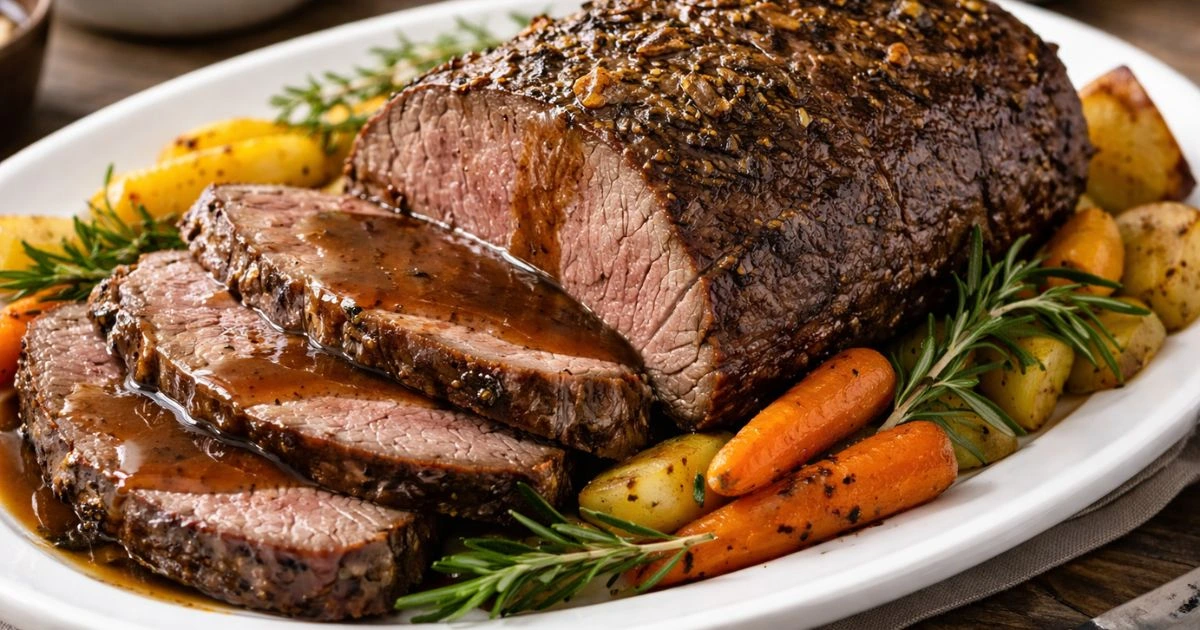
6. Remove the roast and rest tented loosely with foil for 15–20 minutes before slicing thinly across the grain.
Target internal temperatures and doneness levels
Aim for these pull temperatures before resting: rare 120–125°F, medium-rare 130–135°F, and medium 140–145°F. Carryover will raise the roast another 5–10°F while resting. For tender sliced results with rump roast, many cooks target 130–135°F. Avoid cooking beyond 150°F to prevent dryness.
| Roast Weight (lb) | Method | Oven Temp | Approx. Time per lb | Target Temp (before rest) |
|---|---|---|---|---|
| 2 | Sear-then-roast | 425°F sear, 325°F finish | 20–25 min | 130–135°F |
| 3 | Sear-then-roast | 425°F sear, 325°F finish | 20–25 min | 130–135°F |
| 4 | Low-and-slow | 250–275°F | 30–40 min | 130–135°F |
| 5 | Low-and-slow | 250–275°F | 30–40 min | 130–135°F |
Slow cooker and Instant Pot methods for pull-apart tender roast
For hands-off, fork-tender results, choose a slow cooker. Use a 2–4 lb beef round rump roast. Add 1 to 2 cups of liquid like beef broth, beer, or dry red wine with aromatics.
Place root vegetables on the bottom to steam gently. Put the roast on top to avoid stewing. Cook on low for 6–8 hours or on high for 4–5 hours. The meat should reach 195–205°F for shredding or 145–160°F for slicing.
For a quicker option, use an Instant Pot for a fast braise. Brown the roast on Sauté to build flavor. Then, deglaze the pot and add 1–1.5 cups of liquid.
Seal and cook at high pressure for about 45–60 minutes for a 2–4 lb roast. Then, allow a natural pressure release for 10–20 minutes to keep juices in the meat.
Be careful with safety and technique in the pressure cooker. Don’t overfill the pot. Check the sealing ring before cooking. Use a trivet if you want to lift the roast out without breaking it.
Browning before pressure cooking helps produce more flavorful beef round rump roast meals even when time is tight.
Finishing the roast properly improves texture and sauce quality. For shreddable results, remove the roast and rest for 10–15 minutes before pulling apart. For sliceable meat after pressure cooking, let it cool slightly and cut across the grain.
Strain the cooking liquid, then reduce it on the stove or thicken with a cornstarch slurry for a glossy, concentrated sauce.
Both devices make easy beef round rump roast recipes accessible. The slow cooker gives very tender, pull-apart meat ideal for sandwiches and stews. The Instant Pot delivers comparable tenderness in less time while preserving deep, savory notes for flavorful beef round rump roast meals.
| Method | Liquid Needed | Cook Time (2–4 lb roast) | Best Result | Key Tip |
|---|---|---|---|---|
| Slow Cooker | 1–2 cups beef broth, beer, or wine | Low 6–8 hrs / High 4–5 hrs | Fork-pull, shreddable | Layer vegetables below roast to prevent stewing |
| Instant Pot | 1–1.5 cups (follow min. requirement) | High pressure 45–60 mins + 10–20 min NPR | Quick braise, tender with less time | Brown first and deglaze for deeper flavor |
| Finishing | Cooking liquid strained and reduced | Rest 10–15 mins for shredding | Sliced or shredded with concentrated sauce | Slice across the grain for tender bites |
Braising method for maximum tenderness and flavor infusion
Braising makes a lean rump roast tender and flavorful. Start by seasoning and searing the outside. This creates a deep color.
Then, add a flavorful liquid, aromatics, and gentle heat. This breaks down collagen and infuses the meat with rich taste.

Choosing the right liquid and aromatics
Use beef stock or low-sodium broth as your base. It adds savory depth. Red wine or stout adds body and tannin that sharpen flavors.
A spoon of tomato paste or a splash of vinegar helps loosen connective tissue. It also brightens the sauce.
Use a mirepoix of onion, carrot, and celery, plus smashed garlic, bay leaves, thyme, rosemary, and whole black peppercorns. These aromatics infuse the cooking liquid. Every bite contributes to flavorful beef round rump roast meals.
Stovetop versus oven braising
Stovetop braising in a Dutch oven gives you closer control over simmering. You can skim fat and adjust heat quickly. Watch for hot spots that may cause uneven cooking.
Oven braising at 300–325°F delivers steady, even heat across the roast. This method is best when you want dependable low-and-slow results and fewer adjustments. Many popular beef round rump roast recipes favor the oven for consistent tenderness.
Proper low-and-slow timing and checking doneness
Plan 2.5 to 4 hours for most rump roasts at a low simmer or 300°F. Smaller roasts finish faster, larger ones take longer. Check for fork-tender meat that yields and pulls apart easily.
If you want shreddable results, aim for an internal temperature of 195–205°F. For sliceable but tender meat, shorten the time and target roughly 145–160°F. Test doneness with a fork; it should enter and twist without resistance.
Brown the roast first, strain and reduce the braising liquid into a sauce, and skim excess fat for a cleaner finish. Reserve some braising liquid for reheating. This keeps leftovers moist when you try different popular beef round rump roast recipes or experiment with how to cook beef round rump roast at home.
Simple gravies, pan sauces, and condiments that pair well
Choosing the right sauce can elevate your roast. A good pan gravy, a red wine reduction with mushrooms, or a bright chimichurri can make your beef round rump roast recipes shine. Make sure the textures and cooking styles match so your dishes feel balanced.
Basic pan gravy
After roasting, remove the meat and let it rest. Pour off excess fat, then heat the roasting pan over medium. Deglaze with 1 cup beef stock or dry wine.
Scrape the fond with a wooden spoon to dissolve browned bits into the liquid. Whisk 2 tablespoons pan fat with 2 tablespoons flour to make a roux. Slowly add 1–2 cups warm beef stock while whisking until smooth.
Simmer until the gravy thickens, then taste and season with salt and black pepper. Strain for a silky finish and stir in butter for gloss.
Red wine reduction and mushroom variation
Deglaze the hot pan with 1 cup dry red wine and reduce by half over medium-high heat. Add sliced cremini or shiitake and 1 cup beef stock, then simmer until mushrooms are tender and the sauce is slightly reduced.
Finish with a knob of butter and chopped parsley. For a richer sauce, add a splash of heavy cream or a small drizzle of reduced balsamic. This sauce pairs well with medium-rare slices.
Quick condiments: mustard, horseradish, chimichurri
Whip together Dijon mustard with a touch of brown sugar and olive oil for a glossy, sweet-tangy spread. Mix prepared horseradish with sour cream for a creamy, sharp sauce that cuts through rich meat.
For herb freshness, make chimichurri from parsley, optional cilantro, minced garlic, red wine vinegar, olive oil, and red pepper flakes. Use it to bring bright contrast to slow-cooked or roasted beef.
Pairing tips
Sliced medium-rare cuts work best with pan gravy or chimichurri to highlight natural juices. Pulled or shredded roast benefits from mustard or horseradish blends. Use pan drippings wherever possible to intensify flavor.
Adjust sauce thickness with additional broth or a cornstarch slurry. Taste as you go and season gradually to suit your table. These approaches will help you deliver some of the best beef round rump roast dishes for any meal.
Serving ideas, sides, storage, and leftover recipes
When you serve rump roast, aim for balance. Pair it with creamy mashed potatoes, buttery roasted root vegetables, or steamed rice. For a lighter meal, try it on mixed greens or in wraps with chimichurri or mustard slaw. These ideas make a single roast into many tasty meals for different times.
Classic sides that complement the roast
Mashed potatoes soak up the pan gravy and match the roast’s texture. Roasted Brussels sprouts and glazed carrots add sweetness. Plain rice keeps things simple and stretches the roast further.
Portioning and refrigerated storage
Divide cooked roast into 6–8 oz servings for a single meal. Store in shallow airtight containers in the fridge within two hours. Use portions within three to four days for safety and flavor.
Freezing and thawing guidelines
Cool the roast completely before freezing. Wrap it tightly in plastic wrap and foil or freezer-safe bags. Remove air and label with date. Freeze up to three months for quality. Thaw in the fridge overnight before reheating. Avoid refreezing if thawed at room temperature.
Reheating tips to retain moisture
Reheat slices gently in a low oven at 300°F, covered with foil and beef broth. Microwave slices with a damp paper towel to prevent drying. Use a thermometer to ensure safe reheating.
Quick leftover recipe ideas
Leftover beef round rump roast recipes are great when changed. Thin-sliced roast makes a French dip with au jus. Dice it for a hearty stew with stock and root vegetables. Chop the meat for a fast weeknight meal in fried rice with egg, soy sauce, and scallions.
| Use | Prep | Storage | Best for |
|---|---|---|---|
| Cold sandwiches | Sliced thin, tossed with mayo and mustard slaw | Refrigerate 3–4 days | Quick lunches, picnics |
| French dip | Thin-sliced, served with warm au jus | Freeze up to 3 months | Comfort dinners, game day |
| Beef stew | Dice roast, simmer in stock with carrots and potatoes | Refrigerate 3–4 days; freezes well 3 months | Batch meals, family dinners |
| Fried rice | Chop roast, stir-fry with egg, veg, soy sauce | Refrigerate 3–4 days | Quick weeknight dinner, lunch |
| Salad or wraps | Thin slices over mixed greens or in tortillas with chimichurri | Refrigerate 3–4 days | Light meals, office lunches |
Plan ahead with easy beef round rump roast recipes for the first cook. Save leftover recipes for next-day meals that stay exciting. Use these tips and ideas to keep your dinners varied, reliable, and satisfying.
Conclusion
You now know how to cook beef round rump roast so it turns out tender and full of flavor. This lean, firm cut rewards careful prep. Trim and tie it for even cooking, season or brine to boost moisture, and sear to build a savory crust.
Choose oven roasting when you want a sliced centerpiece. Use a slow cooker or Instant Pot for pull-apart results. Braising gives the deepest flavor infusion.
Follow recommended internal temperatures and rest the roast before slicing. Save pan juices to make simple gravies or sauces. These enhance the dish.
Try the suggested marinades, rubs, and sauces. Match recipes to your time and equipment to explore the best beef round rump roast dishes. With these tips and recipes, you’ll get consistent, juicy results and smart ways to store and reuse leftovers for more meals.
FAQ
What is a beef round rump roast and where does it come from?
The beef round rump roast comes from the cow’s hindquarters. It’s a lean cut with less fat than other parts. It’s best cooked carefully to stay tender.
How should you choose the right recipe for a rump roast?
Pick a recipe based on your cooking time and tools. For a dinner centerpiece, try searing then oven roasting. For tender beef for sandwiches, slow cooker or Instant Pot braise is best.For deep flavor, braising in a Dutch oven or oven at 300°F is great. Consider the roast’s weight and how many people you’re serving.
Do you need to trim and tie a rump roast before cooking?
Yes, trim the fat but leave a thin layer for flavor. Remove silverskin with a sharp knife. Tie uneven roasts to cook evenly and for neater slices.Pat the roast dry and let it come to room temperature before cooking.
Should you marinate or brine a rump roast to improve tenderness?
Both marinating and brining can help. Brining seasons deeper and reduces moisture loss. Marinades add flavor and can tenderize the meat.Marinate acidic blends 4–12 hours and enzymatic marinades 30–90 minutes. Always marinate in the fridge and pat dry before cooking.
How important is searing and when should you do it?
Searing is key for flavor. It creates Maillard browning and builds fond for sauces. Use a heavy pan and high smoke-point oil.Sear 2–3 minutes per side before roasting for best flavor. Deglaze the pan with wine or beef stock to capture juices for gravy.
What oven temperatures and internal temperatures should you use for a juicy roast?
Use two methods: sear then roast at 325–350°F or low-and-slow roast at 250–275°F. Target internal temps for rare, medium-rare, and medium.For rump roast, aim for 130–135°F for tender slices. Remove early to allow a 5–10°F carryover rise while resting. Rest 15–20 minutes before slicing.
How do slow cooker and Instant Pot methods differ for rump roast?
Slow cooker cooks long and moistly. Use 1–2 cups liquid for a 2–4 lb roast, cook low 6–8 hours for tender shredding. Instant Pot cooks faster with similar tenderness.Slow cooker yields very soft, pull-apart meat; Instant Pot shortens time while still producing tender results.
What liquids and aromatics work best for braising rump roast?
Use beef stock, low-sodium broth, dry red wine, or stout. Aromatics like onion, carrot, celery, garlic, bay leaf, thyme, and rosemary add depth. Acidic components help break down collagen.Braise at a low simmer on stovetop or in oven at 300–325°F until fork-tender. Then reduce and strain the liquid for a rich sauce.
How do you make a simple pan gravy from roast drippings?
After roasting, remove the roast and deglaze the pan with 1 cup beef stock or red wine. For gravy, whisk 2 tbsp pan fat with 2 tbsp flour over medium heat to form a roux.Then slowly add 1–2 cups stock, whisking until smooth and simmering to thicken. Season to taste and finish with a pat of butter for shine. Strain if you prefer a silky texture.
How should you store cooked rump roast and what are good leftover uses?
Refrigerate cooked roast within 2 hours in shallow airtight containers and use within 3–4 days. For freezing, cool, wrap tightly or use freezer-safe bags, and freeze up to 3 months.Thaw in the refrigerator. Reheat gently in a 300°F oven with a splash of broth and foil to retain moisture. Leftover ideas include French dip sandwiches, beef and vegetable stew, fried rice, tacos, or salads.
How should you slice a rump roast for maximum tenderness?
Always slice across the grain to shorten muscle fibers and improve tenderness. For the best texture, slice thinly—thin slices are important for lean cuts like rump roast.If you tied the roast, remove twine before slicing. Use a sharp carving knife and steady, even strokes.
Can you cook rump roast to a pull-apart texture without overcooking?
Yes—use moist, low-and-slow methods like braising, slow cooker, or pressure cooking. For shreddable beef, cook until internal temps reach about 195–205°F and the meat pulls apart easily with a fork.If you prefer sliceable meat, stop at 130–160°F depending on desired doneness. Classic braising and slow-cooking aim higher to break down collagen for pull-apart tenderness.
What seasonings, rubs, or sauces pair best with rump roast?
Simple kosher salt and freshly ground black pepper are a reliable base. Dry rub ideas include garlic powder, onion powder, smoked paprika, ground coriander, and a touch of brown sugar for caramelization.Herb blends like rosemary, thyme, oregano, and crushed bay leaf complement beef. Sauces: pan gravy, red wine reduction, mushroom sauce, chimichurri, Dijon-mustard blends, or horseradish cream—match sliced medium-rare with pan gravy or chimichurri and pulled roast with mustard or horseradish-based condiments.