Best Chicken Francese Recipe: Easy 30-Minute Classic Dinner
Table of Contents
How to Make Chicken Francese Recipe – Classic Italian Lemon Chicken
This guide will teach you to make authentic chicken francese at home. You’ll get clear steps, a list of ingredients for four servings, and tips for using common American cookware. Tools like a KitchenAid mixing bowl and a ThermoWorks Thermapen thermometer are recommended.
The goal is to show you a simple way to make chicken francese. It should have a crisp, lemony coating and juicy meat. This classic dish uses fresh lemon, white wine, butter, and a light dredge for restaurant-quality results.
The article naturally uses the main keyword and related phrases. You’ll find tips for easy, homemade, traditional, quick, and delicious chicken francese. It covers introduction, ingredients, equipment, cooking steps, shortcuts, variations, storage, and common mistakes to avoid.
Key Takeaways
- You will learn a reliable, authentic chicken francese recipe that serves four and uses accessible U.S. kitchen gear.
- The recipe focuses on achieving a crisp coating and bright lemon-butter sauce without complicated steps.
- The structure covers prep, cooking, shortcuts, variations, and storage so you can cook with confidence.
- Balanced flavors and simple technique make this the best chicken francese for weeknights and special meals.
Introduction to Chicken Francese
Chicken Francese is a dish known for its bright, buttery taste. It became popular in Italian-American restaurants in New York and other Northeastern cities in the mid-20th century. The dish is made by lightly dredging chicken in flour, then dipping it in an egg wash and pan-frying. It’s finished with a lemon-butter sauce, mixed with white wine or chicken broth.
What chicken francese is and its Italian-American roots
This dish combines Italian techniques with American ingredients. Immigrant chefs used local poultry and pantry staples to create it. The result is a cozy, restaurant-quality dish that balances rich butter with bright citrus and simple pantry items like eggs and flour.
How this classic lemon chicken differs from similar dishes
Francese is unique compared to piccata and Milanese. Piccata uses flour and a lemon-caper sauce, while Milanese has breadcrumbs for a crispy crust. Francese’s egg-dredge creates a delicate coating that sears quickly, making the sauce silkier.
Why you’ll love making this chicken francese recipe at home
You can make an elegant meal in just 30–40 minutes. This makes it perfect for weeknights or dinner parties. The recipe is easy to follow and allows for flexibility. You’ll enjoy flavors of bright lemon, warm butter, optional capers, and fresh parsley.
Ingredients for Classic Chicken Francese
Here are the exact amounts and tips for a reliable chicken francese recipe that serves four. Use fresh ingredients and a simple setup for easy weeknight cooking or a special dinner.
Exact measurements for the traditional recipe (serves 4)
4 boneless, skinless chicken breasts (6–8 oz each), butterflied and pounded to about 1/2 inch
1 cup all-purpose flour for dredging
2 large eggs + 2 Tbsp milk for the egg wash
4 Tbsp unsalted butter (2 Tbsp for cooking, 2 Tbsp to finish the sauce)
2 Tbsp olive oil for searing
1 cup low-sodium chicken broth
1/3 cup fresh lemon juice (about 2 lemons)
Optional: 2 Tbsp capers
2 Tbsp chopped parsley for garnish
Lemon slices for serving
Ingredient swaps and notes for US cooks
For gluten-free chicken francese, use a 1:1 gluten-free baking flour or plain rice flour for the dredge. This keeps the crisp coating without changing the technique.
Substitute salted butter if you prefer; just reduce added salt to taste. Whole milk works well for the egg wash, and half-and-half adds richness.
Use store-bought low-sodium broths from brands like Swanson or Pacific Foods for reliable flavor. Choose fresh lemons for the best bright taste in your homemade chicken francese.
Boneless thighs work too; they cook faster. For an easy chicken francese, buy thin-sliced cutlets at Kroger or Whole Foods to skip pounding.
Pantry-brand tips: pick real butter brands like Land O’Lakes or Kerrygold to enrich the sauce. Choose capers from Cortas or Mezzetta for consistency. Most ingredients are available at Walmart, Kroger, or Whole Foods, making this homemade chicken francese convenient to assemble.
Equipment and Prep Steps
Before you start cooking, make sure your workspace is ready. A little preparation makes this chicken francese recipe easy. Get your tools and prep work done so cooking goes smoothly.
Tools you’ll need
- Large skillet, 10–12 inch, nonstick or stainless steel; Lodge skillets work well for even heat.
- Mixing bowls for egg wash and dredge, plus a shallow plate for flour.
- Meat mallet or a rolling pin for pounding, cutting board, and a Cuisinart chef’s knife for trimming.
- Microplane or citrus juicer for zesting and juicing lemons.
- Instant-read thermometer such as a ThermoWorks Thermapen or similar, heatproof tongs, slotted spoon, and paper towels.
How to butterfly and pound chicken for even cooking
Place each breast flat on the cutting board. Slice horizontally almost through, then open like a book to create a single wider piece. If you prefer cutlets, slice into two thin pieces instead.
Lay the breast between two sheets of plastic wrap. Gently pound with a meat mallet until the thickness is about 1/2 inch. Aim for uniform thickness so the meat cooks evenly and stays juicy. Take care to control the mallet and keep your fingers clear.
Prepping ingredients to speed up the cooking process
Zest lemons before you juice them to capture the bright oils and avoid losing flavor. Measure flour into the shallow plate and season it with salt and pepper. In a bowl, beat eggs with a splash of milk for the egg wash.
Pat each chicken piece dry with paper towels so the dredge adheres well. Warm the chicken broth slightly; adding warm broth prevents the skillet from cooling dramatically when you deglaze. Use mise en place so you can make a quick chicken francese with confidence.
These steps shave minutes off cook time and set you up for an easy chicken francese that tastes like you spent more time than you did. For an even faster finish, keep prepped cutlets in the fridge and go for a quick chicken francese on weeknights.
Step-by-Step Cooking Instructions
This chicken francese recipe follows a classic Italian-American method that delivers tender chicken cutlets coated in a light, lemony egg batter and a rich, buttery sauce.
Follow these clear steps to turn basic ingredients into a vibrant, restaurant-quality meal. This guide walks you through seasoning, searing, sauce-making, and plating. Your chicken francese recipe will come out consistent each time.
Step 1: Seasoning and dredging the chicken
Season each cutlet with kosher salt and freshly ground black pepper. Set up a dredging station with seasoned all-purpose flour on a plate. An egg wash made from two large eggs and two tablespoons of milk is in a shallow bowl.
Coat each cutlet lightly in flour, shake off the excess, dip into the egg wash, and return briefly to the flour if needed. Pat gently so the coating adheres evenly for that classic crisp finish in this traditional chicken francese approach.
Step 2: Cooking the chicken to golden crisp
Heat one tablespoon of unsalted butter and two tablespoons of olive oil in a 10–12 inch skillet over medium-high heat until the oil shimmers. Add the cutlets in a single layer without overcrowding the pan.
Cook about three to four minutes per side until the crust is golden brown and the internal temperature reaches 160–165°F. Transfer the chicken to a warm plate and tent with foil to rest while you prepare the sauce. This step keeps your homemade chicken francese juicy and tender.
Step 3: Making the lemon-butter sauce
Reduce the heat to medium and pour in a half cup of low-sodium chicken broth and one-third cup of fresh lemon juice to deglaze the skillet. Use a wooden spoon to scrape up the browned bits; those bits hold the best flavor.
Add the remaining two tablespoons of butter and optional capers. Simmer for two to three minutes until the sauce reduces slightly. Taste and adjust salt and pepper. For extra silkiness, swirl in a small pat of butter off the heat before returning the chicken to the pan.
Step 4: Finishing the dish and plating tips
Return the chicken to the skillet for about one minute to coat with sauce and reach the final internal temperature of 165°F. Spoon sauce over each piece so every bite carries bright lemon and butter notes.
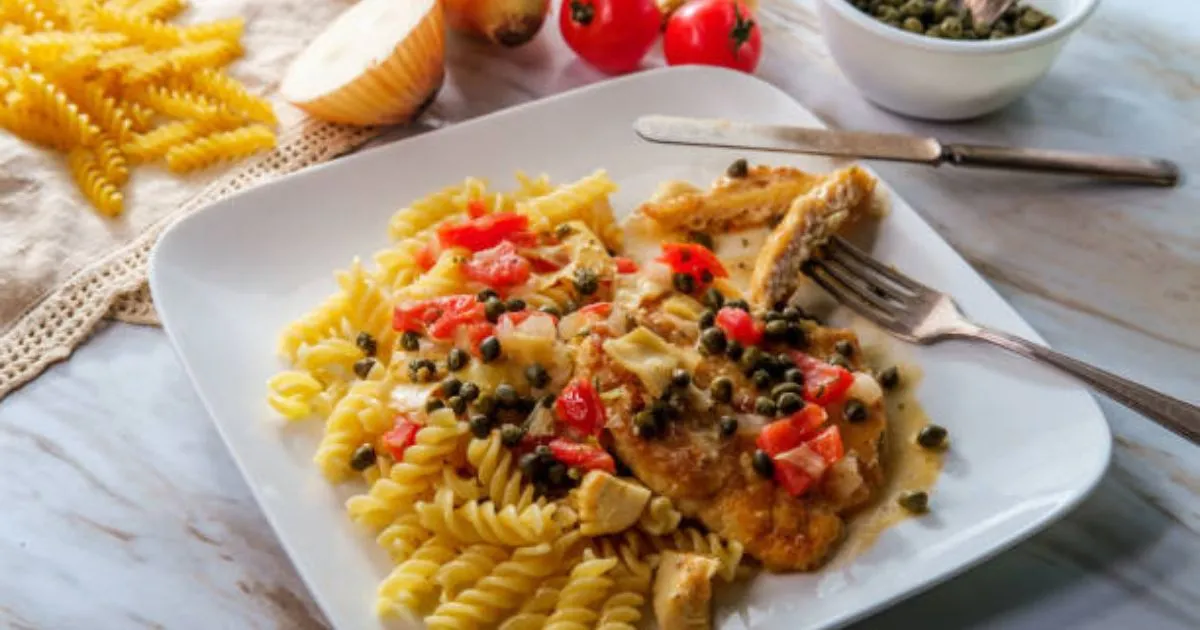
Plate with fresh chopped parsley and lemon slices. Serve over angel hair pasta, creamy risotto, roasted vegetables, or a simple arugula salad for a balanced meal. These finishing touches help elevate your traditional chicken francese into a memorable dinner and make homemade chicken francese shine.
Quick Chicken Francese: Time-Saving Tips
You can make classic chicken francese in 20–30 minutes without losing flavor. A few smart steps make it quick and delicious. This way, you can enjoy a restaurant-quality meal at home.
How to shorten prep and cook time without losing flavor
Pound cutlets to an even thickness for fast cooking. Warm chicken broth ahead of time for quick sauce making. Use fresh lemons for zest and juice, or pre-juiced for a quicker meal.
Using pre-sliced cutlets vs. whole breasts
Pre-sliced cutlets save 10–15 minutes. They’re available at the supermarket or from brands like Perdue and Tyson. Check their thickness before cooking. If using whole breasts, butterfly and slice them for a quick sear.
Batch cooking and partial assembly ahead of time
Make lemon-butter sauce up to three days ahead. Store it in the fridge. Partially dredge chicken and refrigerate for up to a day. Finish searing just before serving for a crispy coating.
- Tip: Keep extra sauce warm in a low oven or on the stovetop over low heat.
- Tip: Use a thermometer to hit the ideal internal temperature quickly without overcooking.
- Tip: Assemble plating elements in order for a smooth finish when time is tight.
Cooking Tips to Keep Chicken Juicy and Coating Crispy
To get the perfect bite, control the heat, use the right pan size, and check for doneness. Making small changes at each step helps keep the chicken moist. It also ensures a golden, crispy coating for a delicious chicken francese every time.
Proper oil and butter temperature for searing
Heat a neutral oil like canola or grapeseed until it shimmers but doesn’t smoke. Add unsalted butter just before adding the cutlets. This way, the butter flavors without burning.
A hot pan gives an instant sear. This locks in juices and creates a crisp crust, making the chicken francese the best it can be.
Don’t overcrowd the pan—why it matters
Cook in batches if you need to. This way, each piece has enough room. Overcrowding leads to steam, which softens the coating and slows browning.
Use a 10–12 inch skillet for three to four cutlets at once. Let each side brown undisturbed. This builds a stable crust for a truly delicious chicken francese.
Internal temperature targets for perfectly cooked chicken
Use an instant-read thermometer to check for doneness. Pull the chicken at 160°F and tent loosely with foil for 3–5 minutes. Carryover heat will bring the meat to a safe 165°F.
Resting also helps the coating set. This ensures you serve the best chicken francese with every plate.
Variations and Dietary Options
Want to mix up the classic taste? A few simple changes can make this dish fit many diets and tastes. Here are some easy ways to keep the bright lemon sauce and crispy coating while adjusting for texture, gluten, and calories.
Classic thighs for richer texture
Choose boneless, skinless chicken thighs for juicier meat. Pound them to even thickness for quicker cooking. Cook for about 3–4 minutes on each side. They pair well with the same dredge and sauce as traditional chicken francese, and they handle mushroom or shallot additions nicely.
Gluten-free options that crisp
For gluten-free chicken francese, use a gluten-free flour blend like Bob’s Red Mill 1-to-1 or rice flour. Cornstarch or chickpea flour can make the crust even crisper. Be careful to avoid cross-contamination if cooking for someone with celiac disease.
Lighter techniques to reduce fat and sodium
To lighten up chicken francese, use only about 2 tablespoons of butter. Increase olive oil for searing. Choose low-sodium broth like Swanson or Pacific Foods and add salt only when the sauce reduces. Use cooking spray to brown quickly and drain cutlets briefly on paper towels.
Finish the sauce with a spoonful of Greek yogurt off heat for a creamy touch without too much fat.
Flavor twists: wine, herbs, and mushrooms
Add a 1/4 cup of dry white wine like Pinot Grigio or Sauvignon Blanc when deglazing for a deeper sauce. Sauté sliced cremini mushrooms with shallots before deglazing for an earthy flavor. Finish with fresh thyme or oregano and a small knob of butter for shine if you’re not watching fat closely.
These changes keep the essence of traditional chicken francese while offering flexible ways to serve more, meet dietary needs, and keep the meal exciting. Choose the method that suits your pantry and taste, then adjust seasoning and cooking time for the best results.
Storage, Reheating, and Make-Ahead Strategies
To keep your lemon-butter chicken fresh, follow a few easy steps. Use safe handling for leftovers and smart reheating. This way, you can enjoy chicken francese any night.
How to store leftovers safely
Put cooled chicken francese in airtight containers in the fridge for 3–4 days. For longer storage, wrap pieces in foil, then in a freezer bag. Press out air and label with the date. Frozen chicken stays good for two months. Thaw it in the fridge before reheating.
Best methods to reheat without soggy coating
Reheat gently in a skillet over medium-low heat. Add a bit of chicken broth or water and cover briefly. Then, uncover for a minute or two to crisp the coating. Avoid the microwave to prevent a soggy crust. If you must microwave, use low power and crisp under the broiler for 1–2 minutes.
Make-ahead sauce and assembly tips for weeknight meals
Make the lemon-butter sauce up to three days ahead and keep it chilled. Dredge chicken and place cutlets on a parchment-lined tray. Cover with plastic wrap and refrigerate up to 24 hours for quick assembly. For freezer prep, par-cook cutlets to 70% doneness, cool, freeze flat, and store in labeled bags. Thaw in the fridge and finish cooking in a hot skillet for the best texture.
Common Mistakes to Avoid When Making Chicken Francese
Making traditional chicken francese can be tricky. Small mistakes can greatly affect the taste and texture. This guide will help you avoid common errors, ensuring your dish is always bright, juicy, and crisp.
Overcooking the chicken
One of the biggest mistakes is overcooking the chicken. To avoid this, pound the breasts to an even thickness. This ensures they cook evenly.
Use an instant-read thermometer to check for doneness. Remove the chicken when it reaches 160°F. It will then reach a safe 165°F as it rests.
For a golden crust, sear the chicken at medium-high heat. Let it rest for 3–5 minutes. This step helps keep the juices in and the meat tender.
Skipping the dredge or resting step
A key part of chicken francese is its delicate coating. Skipping the dredge and egg wash can make the coating flabby. It also prevents the sauce from sticking well.
After cooking, let the chicken rest before plating. This step helps the coating crisp up and the juices even out. It’s crucial for a great chicken francese.
Using bottled lemon juice instead of fresh
The quality of lemon juice greatly impacts the sauce. Bottled juice lacks the bright, fresh flavor of real lemons. Use fresh Eureka or Meyer lemons for the best taste.
If you only have bottled juice, add a teaspoon of fresh lemon zest per cup. This will help restore the bright, zesty flavor your dish needs.
Conclusion
You’ve learned a simple chicken francese recipe. It’s quick, elegant, and easy to make. Use fresh lemon, pound the breasts evenly, and avoid overcrowding the pan. This keeps the coating crisp and the chicken juicy.
This dish is perfect for a weeknight meal or a special occasion. Serve it with angel hair, creamy risotto, roasted asparagus, or a crisp arugula salad. Add lemon slices and chopped parsley for a bright finish.
Try adding capers, white wine, or sautéed mushrooms to make it your own. These tips will help you make the best chicken francese at home. They keep the classic lemon-butter flavor in the spotlight.
FAQ
What is chicken francese and how does it differ from chicken piccata or chicken Milanese?
Chicken francese is a dish from Italy and America. It has thin chicken cutlets lightly coated in flour, dipped in egg, and then pan-seared. It’s finished in a lemon-butter and chicken-broth sauce.Unlike chicken piccata, which skips the egg wash and has a lemon-caper sauce, francese has a silkier coating. Chicken Milanese is fully breaded and fried. Francese is lighter and quicker to make.
Can I make an authentic chicken francese recipe at home with common American kitchen tools?
Yes, you can make chicken francese at home. You’ll need a 10–12 inch skillet, mixing bowls, a meat mallet, and a chef’s knife. Also, a citrus juicer and an instant-read thermometer are helpful.Mise en place and warming the broth beforehand will speed up the process. This way, you can make a classic chicken francese with tools found in most U.S. kitchens.
What ingredients do I need for a classic chicken francese that serves four?
For four servings, you’ll need 4 boneless chicken breasts, butterflied or pounded to 1/2 inch. You’ll also need 1 cup all-purpose flour, 2 eggs + 2 Tbsp milk, and 4 Tbsp unsalted butter.Also, 2 Tbsp olive oil, 1 cup low-sodium chicken broth, 1/3 cup fresh lemon juice, and optional 2 Tbsp capers are needed. Don’t forget 2 Tbsp chopped parsley and lemon slices for garnish. Use fresh lemons and good butter for the best flavor.
How do I butterfly and pound chicken breasts for even cooking?
To butterfly, slice each breast horizontally almost through and open it like a book. Or slice each breast into two cutlets. Place between plastic wrap and gently pound with a meat mallet or rolling pin to about 1/2 inch thickness.This makes even pieces that cook quickly and stay juicy. It prevents overcooking.
What’s the step-by-step method to cook chicken francese?
Season chicken with salt and pepper. Set up dredging stations: seasoned flour, then egg wash (eggs + milk). Dredge, shake off excess, and dip in egg wash.Heat 1 Tbsp butter + 2 Tbsp olive oil in a skillet over medium-high until shimmering. Sear chicken 3–4 minutes per side until golden and about 160°F internal. Remove and tent.Deglaze pan with warmed chicken broth and 1/3 cup fresh lemon juice, scrape browned bits, simmer 2–3 minutes, add remaining butter and optional capers. Return chicken for 1 minute to coat, rest briefly, then garnish with parsley and lemon slices.
How can I shorten prep and cook time for a quick chicken francese?
To make quick chicken francese in 20–30 minutes, buy pre-sliced cutlets from brands like Perdue or Tyson. This saves butterflying/pounding time. Warm broth ahead, and have ingredients measured.You can also prepare the sauce ahead and reheat it. Pre-sliced cutlets cook faster but check thickness for even cooking.
What temperature should I cook the chicken to, and why remove it at 160°F?
Remove the chicken from the pan at about 160°F and let it rest 3–5 minutes. Carryover heat will bring it to the safe serving temperature of 165°F. Using an instant-read thermometer ensures you avoid overcooking and helps keep the meat juicy.Resting also lets the coating set.
How do I keep the coating crispy and avoid soggy chicken francese?
Heat oil and some butter until shimmering but not smoking to get an immediate sear. Avoid overcrowding the skillet—cook in batches if needed—to prevent steaming. Pat chicken dry before dredging so the flour adheres.After cooking, rest the cutlets briefly on a rack or tented plate to let the coating firm up before saucing.
Can I make gluten-free chicken francese or use thighs instead of breasts?
Yes. For gluten-free chicken francese, use a cup-for-cup gluten-free flour like Bob’s Red Mill 1-to-1 or rice flour; ensure no cross-contamination. Boneless, skinless thighs are a great variation—pound to even thickness and reduce cook time slightly. Thighs are more forgiving and yield a juicier result.
What are the best reheating and storage methods so leftovers stay tasty?
Refrigerate leftovers in airtight containers for 3–4 days; freeze tightly for up to 2 months. Reheat gently in a skillet over medium-low with a splash of broth and cover briefly to heat through, then finish uncovered to crisp the coating. Avoid microwaving when possible; if you must, reheat at 50–70% power and finish under the broiler 1–2 minutes for crispiness.
Is bottled lemon juice acceptable if I don’t have fresh lemons?
Fresh lemon juice is strongly recommended for brightness and aroma. Bottled lemon juice can be used in a pinch, but it lacks fresh zest character—if you use bottled, add a little lemon zest or extra finishing butter to boost flavor. Meyer or Eureka lemons give the best fresh results.
Can I prepare parts of the dish ahead for a weeknight meal or entertaining?
Yes. You can make the sauce up to 3 days ahead and refrigerate. Dredge chicken ahead and keep on a parchment-lined tray, covered, for up to 24 hours. For entertaining, sear chicken in advance and reheat gently in warmed sauce just before serving. Par-cooking for freezing is also an option—cook to about 70% done, cool, freeze, then finish from thawed.
What common mistakes should I avoid when making chicken francese?
Don’t overcook the chicken—pound for even thickness, use a thermometer, and remove at 160°F for carryover to 165°F. Don’t skip the flour and egg dredge or the resting step, as they create the signature coating and help retain juices. Avoid using only bottled lemon juice when fresh lemons are available, as fresh juice and zest make the sauce lively and authentic.
What sides pair best with classic chicken francese?
Classic accompaniments include angel hair pasta tossed with olive oil and parsley, creamy risotto, roasted asparagus, sautéed spinach, or a crisp arugula salad with shaved Parmesan. Lemon slices and chopped parsley make simple, bright garnishes that complement the dish.