7 how to cook chicken to shred Tips
Table of Contents
Ever had a weeknight dinner that needs to be ready fast? Everyone’s waiting, and you’re worried it’ll be dry or tasteless. Learning how to cook chicken to shred changed my weeknights. It’s a reliable base for tacos, sandwiches, salads, soups, enchiladas, and meal prep.

This guide offers clear, easy steps for a moist and flavorful shredded chicken recipe. You’ll learn how to cook it using poaching, baking, Instant Pot, slow cooker, and stovetop. Plus, you’ll discover the best ways to shred it with forks, hands, or a stand mixer.
It also shares tips on adding flavor, storing, and freezing for batch cooking. This is for home cooks in the United States, whether you’re a busy parent, meal-prepper, or beginner. By following these steps, you’ll ensure your chicken is cooked safely, tender, and easy to shred for recipes and reheating.
Key Takeaways
- You’ll learn reliable methods for how to cook chicken to shred for everyday meals.
- The guide covers easy shredded chicken techniques for poaching, baking, Instant Pot, slow cooker, and stovetop.
- You’ll get practical shredding tips—forks, hands, and stand mixer—to match your time and tools.
- Expect tender texture, safe internal temperature, and simple flavor boosters for family-friendly meals.
- Batch cooking and freezing advice helps you save time and keep shredded chicken ready for the week.
Introduction: Why learning how to cook chicken to shred matters
Shredded chicken is a kitchen workhorse. It fits into many dishes like tacos, salads, and soups. It’s also great for stretching your grocery budget.
This guide will teach you how to cook chicken that’s moist and tender. You’ll learn about the best cuts, seasoning, and brining. It covers different cooking methods, safe temperatures, and how to shred chicken.
It’s perfect for beginners and home cooks looking for easy recipes. If you meal prep or need quick protein, this guide is for you. It ensures you get great results every time.
The article is easy to navigate. Start with the basics on tenderness, then the ingredients and prep steps. Next, you’ll find instructions for different cooking methods.
After that, you’ll learn how to shred, flavor, and store chicken. There are also troubleshooting tips and easy recipes to try.
Practical tips are the focus, not long theories. The main keyword is used early to show this guide’s focus on reliable shredded chicken recipes.
Why this method works for tender, shreddable chicken
Cooking chicken so it pulls apart easily is about muscle fibers, collagen, and connective tissue. It’s all about how they react to heat and time. To get tender shreds, match the cut to the method and respect temperature and resting. Understanding these basics is key to shredding chicken well.
How collagen and connective tissue break down
Collagen is like glue in connective tissue. At low heat, it turns into gelatin. This softens muscle bundles and lets fibers separate easily.
Dark meat, like thighs, has more connective tissue than breasts. They cook longer and often shred better.
Why temperature and timing are crucial
Chicken must reach 165°F (74°C) for safety. Cooking a bit higher and then resting helps denature collagen without drying out the meat. Methods like poaching or slow cooking use low heat for a long time.
Fast methods like pan-roasting or sautéing work too, if you watch the temperature closely and pull the chicken at the right time.
How resting helps with shredding
Resting for 10–15 minutes after cooking lets juices redistribute. This makes the meat firm on the outside while keeping it moist inside. Rested chicken shreds into tender threads that absorb sauce and seasoning well.
Practical trade-offs and carryover cooking
If you want quick results, use smaller pieces cooked at moderate heat. For larger pieces, choose slower methods to avoid dryness. Always remove chicken from heat a few degrees below target, to avoid dryness, with thicker pieces.
Using the right approach and proven techniques will improve the texture of your shredded chicken every time.
Best chicken cuts to use for shredding
Choosing the right chicken cut is key to making great shredded chicken. The cut affects flavor, texture, cooking time, and cost. Here’s a guide to help you pick the best chicken cuts for shredding, based on your dish.
Boneless, skinless chicken breasts vs thighs
Breasts are lean and mild. They’re perfect for chicken salad or low-fat sandwiches. But, you need to watch the cooking time and moisture to avoid dry meat.
Thighs have more fat and connective tissue. This makes them great for longer cooks, resulting in tender, juicy strands. Use thighs for tacos, enchiladas, or barbecue for a richer taste.
Whole chicken and bone-in options
Cooking a whole chicken adds extra flavor and stock for sauces. Shredding meat from a whole bird gives varied textures and deeper flavors than boneless cuts.
Bone-in breasts or thighs add flavor and stay juicier than boneless ones. If your recipe allows, removing bones can make the meat even more moist.
How to choose based on flavor, cost, and texture
Thighs are budget-friendly and more forgiving under different cooking methods. They’re great in slow cooker and Instant Pot recipes where long, moist heat helps in shredding.
For lean meat, choose breasts but adjust your cooking method. Gentle poaching or careful baking will help you achieve tender results.
Match the cut to your recipe. Use thighs for Mexican-style shredded chicken and bold sauces. Use breasts for lighter, cold salads and delicate sandwiches. Remember, dark meat handles long cooks better, while white meat needs gentler handling.
Ingredients you need for perfect shredded chicken
Choosing the right ingredients is key for tender, flavorful chicken. Here are the must-haves and smart choices for customizing flavors, meeting dietary needs, or saving time. Learning how to cook chicken to shred is easier with these tips.
Essential ingredients: chicken, salt, and aromatics
Start with your chicken choice: breasts, thighs, or a whole chicken for more flavor. Use kosher or sea salt for seasoning. Salt keeps moisture in and enhances taste.
Add onion, garlic, bay leaf, and peppercorns for a basic flavor base. Finish with lemon or lime for a bright, tangy note. This balances the richness and makes the chicken taste better.
Optional flavor boosters: herbs, spices, broths
Use low-sodium chicken broth or water for poaching to control salt. Add soy sauce or Worcestershire sauce for umami. For Mexican dishes, try smoked paprika and cumin.
For Mediterranean flavors, add parsley, cilantro, thyme, or rosemary. Include apple cider vinegar or white wine for braising to tenderize and deepen flavors. These choices help you tailor the shredded chicken recipe to various cuisines.
Substitutions for dietary needs
For low-sodium diets, use low-sodium broth or plain water and add more aromatics. Tamari is a gluten-free soy option. Replace butter with olive oil for a dairy-free version.
For a quick fix, a store-bought rotisserie chicken works well for busy days. Cooking from raw gives you more control over texture and safety. But, ready-made chicken is handy for fast weeknight meals.
How to prepare chicken before cooking
Good prep is key for tender, flavorful chicken. Before cooking, plan to season, cook evenly, and shred easily. Check for safety and size to get the right texture.
Trimming and patting dry
Use a sharp knife to remove excess fat and loose bits. This prevents chewy pieces in the shredded chicken. It also helps the meat brown when roasting or pan-searing.
Pat each piece dry with paper towels. Dry surfaces help salt and spice cling better. They also create a light crust when using high heat.
Seasoning and brining basics
At least, season with kosher salt and black pepper. Salt applied 15–30 minutes before cooking draws moisture to the surface. Then, it reabsorbs to flavor the meat throughout.
For deeper moisture, use a quick brine. Dissolve about 1/4 cup kosher salt per quart of water. Submerge the chicken for 30 minutes to 2 hours. Rinse briefly and pat dry after brining to avoid excess saltiness.
Remember, the shredded chicken will absorb sauces quickly. Keep primary seasoning steady but leave room for finishing flavors. Use cumin, smoked paprika, or a splash of lime.
How to size pieces for even cooking
Cut large breasts in half and match small thighs to the same volume for consistent cook times. Even pieces cook uniformly. This avoids dry edges and undercooked centers.
If you want faster shredding, cook slightly larger chunks but increase cooking time. Always thaw chicken fully in the refrigerator before cutting. This maintains food safety and even doneness.
| Prep Step | Why it matters | Quick tip |
|---|---|---|
| Trimming | Removes fatty or tough bits that affect texture when shredded | Use a sharp boning knife for clean cuts |
| Patting dry | Helps salt and spices adhere and improves browning | Press gently with paper towels; avoid tearing the flesh |
| Dry seasoning | Seasons meat surface before cooking for balanced flavor | Salt 15–30 minutes ahead for best absorption |
| Quick brine | Adds moisture and reduces risk of dry cooked meat | 1/4 cup kosher salt per quart of water, 30–120 minutes |
| Sizing pieces | Ensures even cooking and predictable shredding | Match thickness; halve large breasts; cut thighs evenly |
| Thawing | Prevents uneven cooking and food-safety issues | Thaw fully in the fridge before prep |
How to cook chicken to shred
Choose a method that fits your time and flavor goals. Below are clear steps for poaching, baking, slow cooker and Instant Pot options, and quick stovetop techniques. Each entry lists liquid amounts, timing, thermometer targets, and resting reminders so you can make moist, easy-to-shred chicken every time.
Poaching method: step-by-step
Place chicken in a single layer in a pot. Add enough broth or water to cover by about 1 inch. Add aromatics like garlic, onion, bay leaf, and peppercorns for subtle flavor.
Bring to a gentle simmer, not a rolling boil, then cover and cook until the internal temperature reaches 160–165°F. For boneless breasts expect 12–18 minutes; thighs may take a few minutes longer.
Remove the chicken, tent and rest for 10–15 minutes. This yields tender, neutral poached shredded chicken ideal for salads and tacos.
Baking method: step-by-step
Preheat your oven to 375°F. Place seasoned chicken in a baking dish and add a splash of broth (about 1/4 to 1/2 cup for four breasts) to keep the meat moist.
Cover the dish tightly with foil and roast until the internal temperature reads 160–165°F. Expect 20–30 minutes for boneless breasts and 25–35 for thighs, depending on size.
For crisp edges, remove foil for the final 5–10 minutes, then rest 10 minutes before shredding. Baking shredded chicken is excellent for larger batches and hands-off prep.
Slow cooker and Instant Pot options
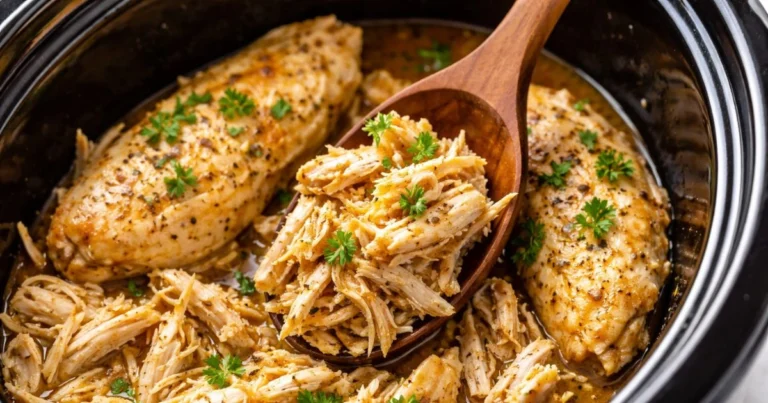
In a slow cooker, add chicken and 1/2–1 cup of liquid such as chicken broth or salsa. Cook on low for 4–6 hours or high for 2–3 hours, until it shreds easily.
For Instant Pot shredded chicken, add 1 cup broth, seal, and cook at high pressure for 8–12 minutes for boneless breasts or thighs. Adjust times for frozen or bone-in pieces.
Use quick-release or natural release as the recipe suggests, then rest briefly before shredding. Slow cooking maximizes flavor absorption. Instant Pot shredded chicken gives fast, tender results for busy nights.
Quick stovetop sauté and pan-roast approaches
Heat 1–2 tablespoons oil in a skillet over medium-high heat. Sear seasoned chicken until golden brown on both sides, about 3–4 minutes per side for thinner breasts.
Add a small amount of liquid, roughly 1/4 cup, then reduce heat, cover and finish cooking until the internal temperature reaches 160–165°F.
Rest the chicken 8–10 minutes before shredding. Browning adds complex flavor but watch the pan closely to avoid drying the meat.
| Method | Liquid | Approx. Time | Temp to Remove | Rest Time | Best Use |
|---|---|---|---|---|---|
| Poaching | Cover with 1″ broth or water | 12–20 min (boneless) | 160–165°F | 10–15 min | Salads, tacos, neutral flavor |
| Baking | 1/4–1/2 cup broth in dish | 20–35 min (depends on cut) | 160–165°F | 10 min | Batch cooking, hands-off prep |
| Slow cooker | 1/2–1 cup broth or salsa | Low 4–6 hr / High 2–3 hr | Shreds easily at end | 5–10 min | Meal prep, deep flavor |
| Instant Pot | 1 cup broth | 8–12 min high pressure | Shreds easily after rest | 5–10 min | Quick, tender results |
| Stovetop sauté / Pan-roast | 1/4 cup liquid to finish | Sear 3–4 min per side + finish 6–12 min | 160–165°F | 8–10 min | Rich, browned flavor |
How to know when chicken is fully cooked and ready to shred
Knowing when to stop cooking is as important as the method you use. You want meat that pulls apart easily without drying out. Use the guidance below to check doneness and get perfect texture for shredded recipes.
Using a meat thermometer: target temperatures
An instant-read thermometer is the most reliable tool. The USDA says 165°F (74°C) is safe for poultry. For tender meat, aim for 160–165°F before resting. This ensures the meat reaches a safe temperature.
Insert the probe into the thickest part without touching bone.
Visual and tactile cues for doneness
Color alone is not enough. Fully cooked chicken is opaque and its juices run clear. Even white meat may still look a bit pink but should feel cooked.
Press the meat gently. Cooked chicken should firm up but still yield slightly. If it’s rock-hard, it’s overcooked. For shredding, you want it to pull apart easily after resting.
Resting time and its effect on shredding
Let chicken rest 10–15 minutes under foil. This even out the temperature and juices. It helps prevent moisture loss and makes shredding easier.
| Check | What to look for | Why it matters for shredding |
|---|---|---|
| Thermometer | 160–165°F before resting; 165°F after carryover | Ensures safety and lets collagen soften enough to shred |
| Color | Opaque meat, clear juices, no raw texture | Supports thermometer reading but not a sole indicator |
| Touch | Firms but yields slightly when pressed | Shows proper moisture and fiber breakdown for easy shredding |
| Rest time | 10–15 minutes tented | Allows juices to redistribute and improves shredding texture |
Use these checks together to learn how to cook chicken for shredding. The thermometer is your main guide. But also check the color and feel. This way, you’ll know when chicken is done and get the perfect shredded texture every time.
Chicken shredding techniques
Shredding cooked chicken makes it great for tacos, salads, soups, and sandwiches. You’ve learned how to cook chicken to shred before. Now, let’s look at three reliable ways to shred chicken, based on texture, speed, and safety.
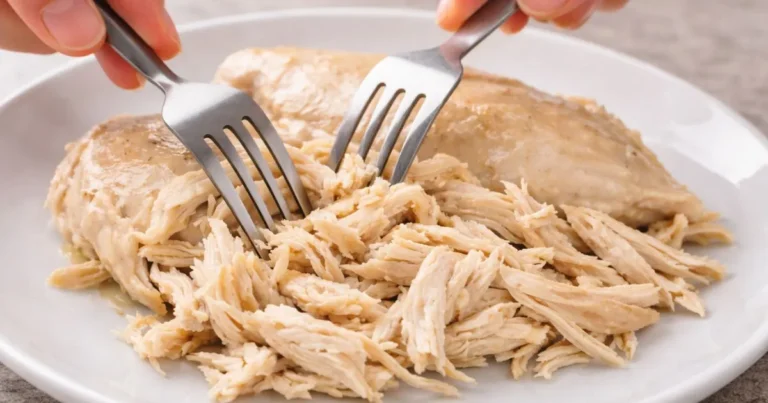
The fork method is perfect for long, defined strands. Place rested chicken on a cutting board or in a shallow bowl. Hold one fork steady and pull with the other along the grain. Work in small batches for clean shreds.
Hand shredding lets you control size and shape. Make sure your hands are clean or wear disposable gloves. Pull larger chunks into irregular pieces for a rustic look. This method keeps moisture in by gently separating fibers.
For quick shredding, use a stand mixer with the paddle attachment. Add warm chicken pieces to the bowl. Run the mixer on low for 10 to 20 seconds. Short bursts are best to avoid a pasty texture.
Food processors are not ideal for shredding chicken. Blades can puree meat quickly. If using one, pulse in short bursts and stop at the first sign of over-processing.
Remember safety first, no matter the method. Let chicken cool enough to handle after cooking. Clean utensils, cutting boards, and surfaces to avoid cross-contamination. Store shredded chicken promptly and refrigerate within two hours to keep it safe.
Shredding chicken hacks to save time
These practical shredding chicken hacks cut prep time and keep texture consistent. Use methods that fit your schedule and the final dish. This way, you spend less time at the counter and more time enjoying meals.

Shred while warm vs after cooling
Shredding warm chicken speeds the job because the meat fibers separate more easily. Work after a brief 5–10 minute rest to avoid losing too much juice.
Fully cooled chicken firms up and can be easier when you need fine, uniform pieces for salads or wraps. Choose warm shredding for speed and cooled shredding for precision.
Tools that make shredding faster
A stand mixer with the paddle attachment shreds a batch in a minute with consistent texture. Two forks remain a reliable, low-tech option when you want control.
Hand mixers on low speed or dedicated meat shredders speed things without much effort. Kitchen shears help create uniform pieces for tacos and bowls.
Batch cooking and freezing shredded chicken
Batch cooking shredded chicken saves hours across the week. Use a slow cooker or oven to make large quantities, then cool and portion into airtight containers in 1–2 cup portions.
Freeze flat in sealed freezer bags and remove excess air to preserve texture. Use within three months for best results. Thaw overnight in the fridge or reheat from frozen in a covered skillet with a splash of broth.
When planning meals, mix some portions with sauces to lock in flavor while leaving other portions plain for flexible use. This approach pairs well with how to cook chicken to shred advice and supports smooth meal prep workflows like batch cooking shredded chicken.
Flavoring and storing shredded chicken
Shredding warm chicken is just the start. Quick seasoning and smart storage keep it juicy. Use simple sauces or dry mixes to add flavor without covering up the meat. Chill, label, and reheat carefully to keep each serving fresh.
Simple sauces and seasoning mixes to add after shredding
Try tossing shredded chicken with sauces like Sweet Baby Ray’s BBQ or salsa verde. Frank’s RedHot buffalo sauce adds a spicy kick. For a lighter taste, mix olive oil, lemon, garlic, salt, and pepper.
For Tex-Mex, use taco seasoning. Italian herb mix is great for pasta, and curry powder is perfect for bowls. Heat the chicken with sauce briefly to blend flavors. Finish with fresh cilantro or parsley for a burst of freshness.
How to cool, refrigerate, and freeze properly
Cool shredded chicken to room temperature in two hours to stop bacterial growth. Divide it into shallow, airtight containers for even cooling.
For short-term use, refrigerate and eat within 3–4 days. For longer storage, portion into flat freezer bags or airtight containers. Remove excess air and freeze for up to three months for best quality. A little sauce helps prevent dryness during freezing and reheating.
Labeling and reheating tips for best texture
Label packages with contents, cook date, and quantity. For example: “Shredded chicken, cooked 04/10/2026, 2 cups.” Clear labels make meal planning easier and reduce waste.
Reheat gently to keep the texture right. Warm a skillet with chicken broth or leftover sauce and toss until heated. For larger portions, cover with foil and heat in a low oven at 300–325°F. In the microwave, cover and heat in short intervals, stirring between bursts to avoid overcooking.
Easy shredded chicken recipes to try
Transform your tender shredded chicken into several tasty weeknight meals. Below are quick ideas that use a simple shredded chicken recipe base and common pantry items. Each suggestion works whether you made easy shredded chicken by poaching, baking, or using an Instant Pot. Remember, 1–2 cups shredded chicken serves about four people when mixed into other dishes.
For tacos and burritos, toss warm shredded chicken with taco seasoning or salsa. Heat until the flavors meld, then serve in corn or flour tortillas. Add pickled onions, sliced avocado, chopped cilantro, and a squeeze of lime. Aim for 1/2 to 3/4 cup chicken per taco and 1 to 1 1/2 cups per burrito. Quick slaw or a simple pico de gallo adds bright contrasts.
Make a classic chicken salad by folding shredded chicken into mayonnaise or Greek yogurt. Add diced celery for crunch and grapes or apple for sweetness. Season with salt, pepper, and lemon juice. Try a curried version by stirring in curry powder, raisins, and toasted almonds. For Mediterranean notes, mix in chopped Kalamata olives, feta, and chopped parsley.
Add shredded chicken to soups, enchiladas, and pasta for fast, comforting meals. Stir 1–2 cups shredded chicken per four servings into chicken noodle or vegetable soup. For enchiladas, roll 1/2 to 3/4 cup chicken with sauce and cheese, then bake until bubbly. Toss shredded chicken with pesto and cooked pasta or a simple garlic-olive oil sauce for an easy weeknight dinner.
Pair these dishes with rice, roasted vegetables, or leafy salads for balanced plates. Keep a few pantry flavor profiles on hand—Mexican, Mediterranean, and Asian. This way, you can pivot quickly when you ask yourself how to cook chicken to shred and turn leftovers into new meals.
If you need a fast meal plan, use these ratios and swap flavors to match what you have on hand. This approach makes it simple to scale a shredded chicken recipe. It keeps your dinners varied without extra shopping trips.
Troubleshooting common problems when cooking shredded chicken
When your shredded chicken doesn’t turn out right, a few quick fixes can help. These tips will solve common issues like dry meat, chicken that won’t shred, and bland results. Use these steps to make sure your future batches are tender and flavorful.

Dry chicken often happens from overcooking, high heat, or using lean breast meat. To fix dry shredded chicken, shred it while it’s warm. Then, simmer it in low-sodium chicken broth or a sauce for 3–5 minutes. Add a tablespoon of olive oil or butter and a splash of stock to make it silky.
To avoid dry chicken, brine breasts for 20–30 minutes or use thighs for more fat. Use a meat thermometer and remove the chicken at 160–162°F. Then, let it rest to reach a safe 165°F. This keeps the chicken moist while cooking.
Chicken that won’t shred easily:
If the chicken is too firm or ribbon-like, it might be undercooked or unevenly heated. Reheat it gently in a covered pan with a bit of broth to loosen the fibers. Let it rest 10–15 minutes after cooking to redistribute juices.
For extra help, use two forks to pull apart the meat or a stand mixer with the paddle on low for 10–20 seconds. These methods shred the chicken without making it mushy.
Flavorless chicken: quick seasoning fixes
Plain chicken can be made flavorful in minutes. Toss shredded chicken with sauces like low-sodium soy, BBQ, or hot sauce. Add lemon or lime juice, chopped cilantro or parsley, and a finishing fat like olive oil or butter to enhance the taste.
Reheat with aromatics like sautéed garlic and onion in butter or oil. Then, add the shredded chicken and a splash of broth. A pinch of salt late in the process can boost all flavors. These simple steps improve taste quickly and teach you how to fix shredded chicken on the fly.
To prevent future problems, season during cooking, use aromatics and broth, and check the internal temperature early. Practicing these steps will help you master cooking shredded chicken for delicious results every time.
Conclusion
You now know how to cook chicken to shred it tender and tasty every time. Choose the right cut and control temperature and timing. Pick a cooking method like poaching, baking, or Instant Pot that suits you.
Rest the meat before shredding it. Use the right shredding tool for the texture you want.
Safety and accuracy are key. Use an instant-read thermometer and follow USDA guidelines for safe temperatures. This prevents undercooking or drying the meat.
Apply proper chicken shredding techniques for consistent texture and faster results. Start with poaching or the Instant Pot until you’re confident.
Add simple sauces, seasonings, and storage tips from this guide for meal prep. Try the easy recipes and hacks to find the best way to shred chicken for tacos, salads, soups, and more.
Keep this guide handy for future shredded chicken meals. Focus on cut selection, temperature control, resting, and shredding technique. You’ll get delicious results for your family and weeknight meals.
FAQ
How do you cook chicken to shred so it stays moist?
Start with the right cut, like thighs. Use gentle cooking methods like poaching or slow cooking. Add enough liquid and aromatics.Cook until the thickest part hits 160–165°F. Then, let it rest for 10–15 minutes. This helps the juices spread evenly.Shred while it’s still warm. If it feels dry, simmer it in broth or sauce to moisten it.
What’s the best way to shred chicken quickly without making it mushy?
Use two forks to pull along the grain for clean shreds. Or, a stand mixer with the paddle on low for 10–20 seconds. Shred when it’s warm, not hot.Stop shredding when you get strands, not a paste. Avoid food processors unless you pulse briefly to avoid pureeing the meat.
Which chicken cuts are best for shredding: breasts or thighs?
Thighs are best for juicy, flavorful shreds because they have more fat. Breasts are leaner and work well for chicken salad. But they need gentle cooking to avoid drying out.Choose thighs for long-cook methods and breasts for quick, careful techniques.
Can you shred cooked rotisserie chicken, and how does it compare to homemade?
Yes, rotisserie chicken is a quick option and shreds easily. But, it might have different flavors and salt levels than homemade. Taste and adjust seasoning as needed.For best texture and safety, cool the meat and refrigerate within two hours.
How long should I cook chicken in an Instant Pot for shredding?
For boneless chicken, pressure cook on high for 8–12 minutes with 1 cup of broth. Larger or bone-in pieces need 12–15+ minutes. Always check with an instant-read thermometer.Let it rest for at least a short natural release, then rest 10 minutes before shredding.
Is it better to shred chicken warm or cold?
Shredding warm makes the meat easier to separate and yields long strands. Cooling makes it firmer and better for salads. Let it rest briefly to keep juices in, then shred as needed.
How can I prevent shredded chicken from tasting bland?
Season the cooking liquid well with salt, aromatics, and broth. After shredding, toss with a flavorful sauce or seasoning blend. A splash of acid like lime or lemon brightens the flavor.
What’s the safest internal temperature for shredded chicken?
The USDA says poultry should reach 165°F. You can remove it at 160–165°F and let it rest. Carryover heat will finish cooking and juices will redistribute.Use an instant-read thermometer in the thickest part to ensure safety.
How do I store and freeze shredded chicken for meal prep?
Cool it to room temperature within two hours, then refrigerate in shallow airtight containers for 3–4 days. For freezing, portion into flat freezer bags, remove air, label, and freeze up to 3 months.Reheat gently from thawed or frozen with a splash of broth or sauce.
What shredding tools work best: forks, hand, or stand mixer?
Two forks give you control and texture. Hands (clean or gloved) offer rustic shreds for sandwiches. A stand mixer speeds up shredding for large batches.Use low speed and short times. Avoid high-speed tools that can overwork the meat.
My chicken won’t shred—what should I do?
It might be undercooked, too cold, or the wrong cut. Reheat gently with a little liquid until the fibers loosen. Then, shred with forks or a stand mixer.For future batches, choose thighs or extend cooking time for tougher pieces. Ensure proper resting to let fibers relax.
How much shredded chicken do I need per person for recipes?
Plan on 1/2 to 3/4 cup (3–4 ounces) per person for tacos or salads. For heartier dishes like enchiladas or pasta, use 1 to 1 1/2 cups (5–6 ounces) per person. Adjust based on appetite and whether it’s the main protein.
Can you shred frozen-cooked chicken, or should it be thawed first?
Thawing in the refrigerator overnight is best for texture. If short on time, reheat frozen shredded chicken gently in a covered skillet with broth. Avoid shredding fully frozen pieces to prevent damage to texture and tools.
What are quick flavoring ideas for shredded chicken?
Toss with taco seasoning and lime for Mexican dishes. Mix with BBQ sauce for sandwiches. Combine with buffalo sauce and blue cheese for wraps. Stir in pesto and lemon for pasta.Simple finishes like fresh herbs, olive oil, butter, and citrus brighten the meat instantly.
Love This Recipe? Leave a Review!
There are no reviews yet. Be the first one to write one.